
Original bilingual journalism · English & తెలుగు
NEET PG may declare only ranks, not percentiles: NMC gives in-principle nod, expert panel tells Supreme Court
The National Medical Commission has agreed in principle to declare only ranks in NEET PG and NEET SS results, a 12-member expert committee told the Supreme Court on Tuesday, 3 November. The new regulation is still being drafted.

Doctors aiming for postgraduate medical seats could soon see a different kind of NEET PG result. The National Medical Commission (NMC) has given in-principle approval to drop percentile scores from NEET PG and NEET Super Speciality (SS) results and declare only ranks, a 12-member expert committee told the Supreme Court in a report filed on Tuesday, 3 November.
The committee said the commission is drafting new regulations under which counselling for both examinations would follow a rank-based merit list. The rules have not been finalised. The proposal was cleared at an NMC meeting on 23 September, and the NMC secretary informed the Directorate General of Health Services (DGHS) of it in a letter dated 1 October.
Why the change is being proposed
Under the present system, when postgraduate and super-speciality seats stay unfilled after the early counselling rounds, a competent authority has to decide, after consulting stakeholders, whether to lower the qualifying percentile. That step stretches the gap between rounds. A rank-only list would remove the need for such permission, and the regulators expect counselling to finish on schedule as a result.
The report was filed in a case in which the court is hearing petitions against the Centre’s decision to slash the NEET PG 2025 qualifying percentiles. After that cut, the general-category qualifying score fell from 276 to 103, while SC, ST and OBC candidates needed minus 40 instead of 235. Senior advocate Maninder Singh is assisting the court as amicus curiae.
On standards, the committee said the sanctity of the NEET examinations must be protected and the minimum bar should not fall so low that candidates with negative or very poor scores become eligible. It also recommended incentives for doctors who work in rural areas, and said resident doctors should be paid the same whether they are in clinical or non-clinical branches.
Junior doctors raise doubts
Dr Dhruv Chauhan, spokesperson of the Indian Medical Association’s Junior Doctors’ Network, said a rank list on its own would not stop candidates with very low or even negative marks from getting seats, and that the NMC had not committed to keeping the cut-off at zero or above. Seats that stay empty year after year, he said, should be cancelled instead.
The report also sets out changes in how seats are handled. The Medical Counselling Committee (MCC), which allots central-quota medical seats, has put every undergraduate and postgraduate seat into a single online database, so that seats no longer turn up midway through counselling. The NMC has said it will update seat details well before counselling begins, and the MCC plans an audit of the counselling process from 2027.
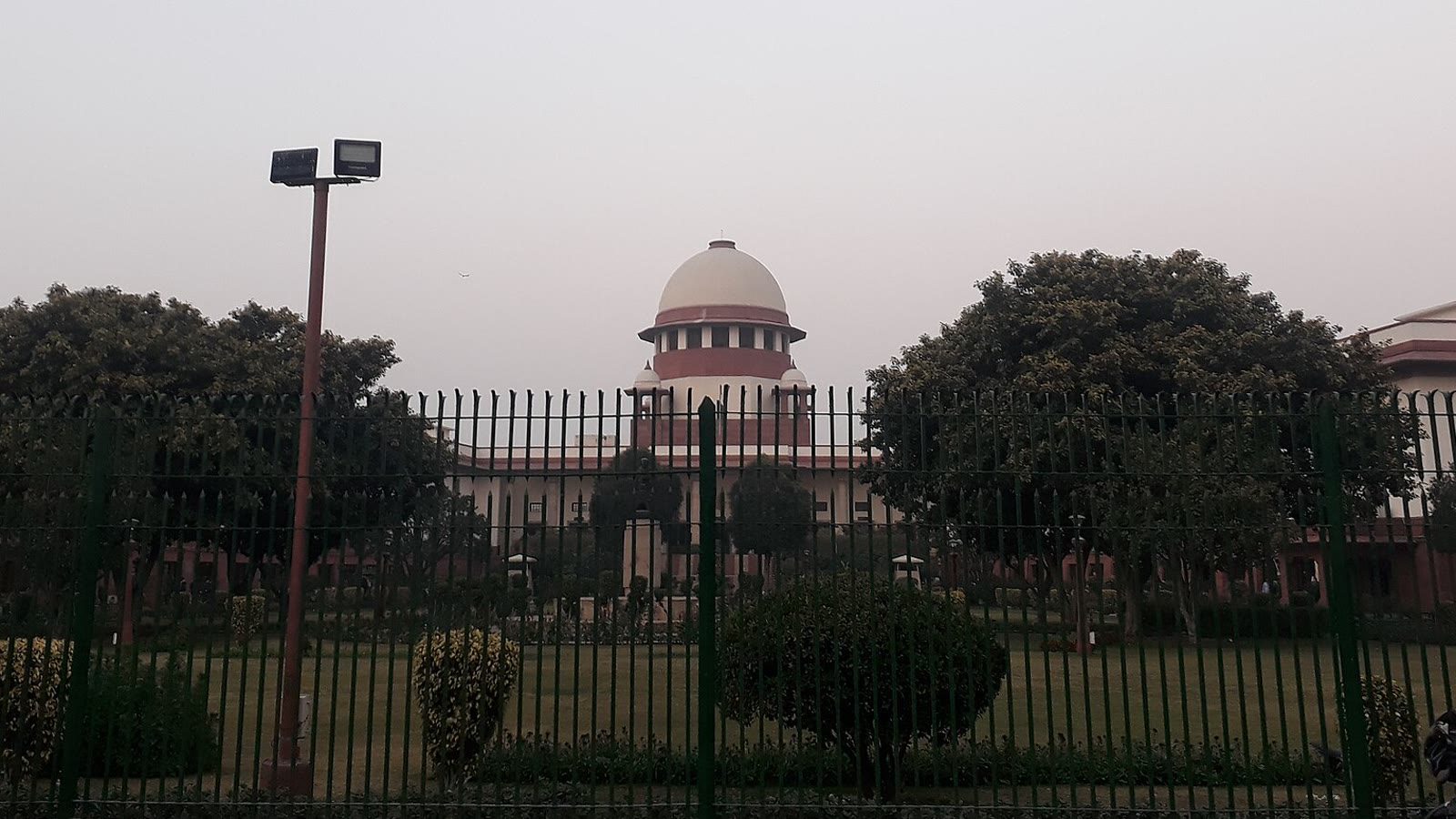
The Supreme Court of India in New Delhi. File photo. Photo: Pinakpani / CC BY-SA 4.0 via Wikimedia Commons
More Stories
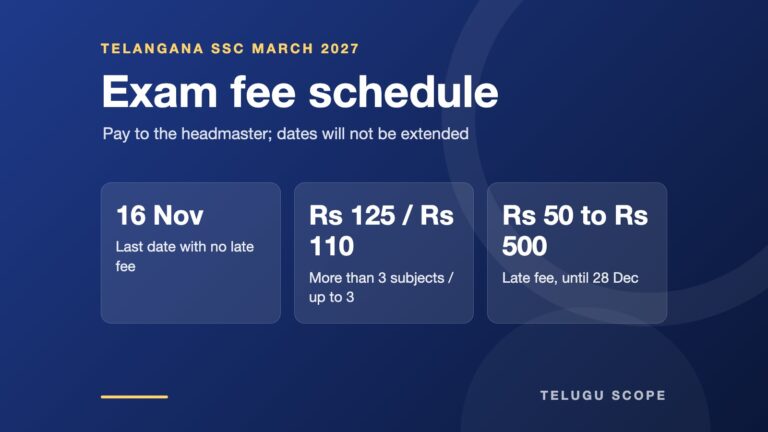 Jobs & EducationTelangana SSC 2027: pay exam fee by 16 November to avoid a late charge
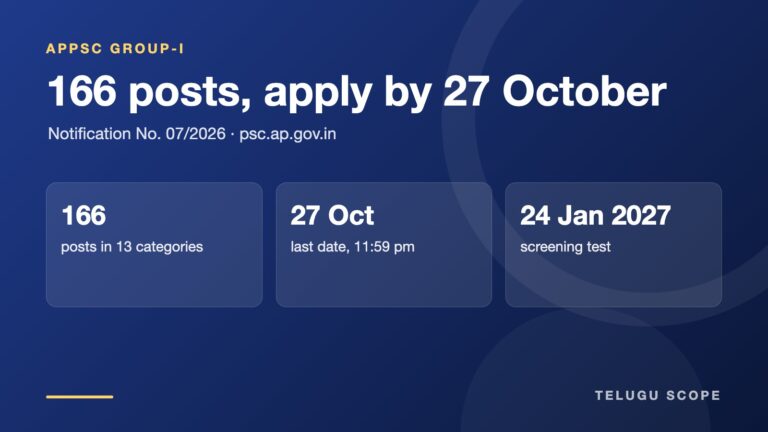 Jobs & EducationAPPSC Group-I: 166 posts including 36 DSPs, online applications close on 27 October
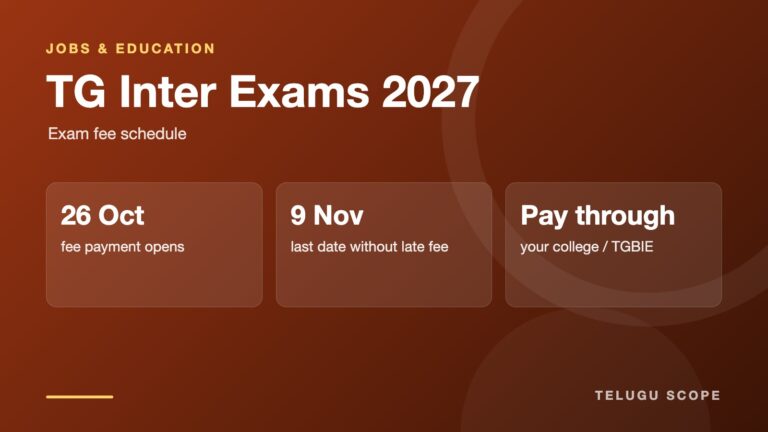 Jobs & EducationTelangana Inter exams 2027: fee payment opens October 26, last date without fine November 9
 Jobs & EducationAP DSC 2026: 2,721 teacher posts announced, full notification due by November 3
 InternationalCanada’s Immigration Levels Plan holds the PR target at 380,000 a year to 2029 and trims new student arrivals to 150,000; up to 200,000 temporary residents get a route to PR
 BusinessDhanteras gold: price rises ₹2,200 to ₹1,48,800 in Delhi; jewellers expect sales up 20-30% in value