
Original bilingual journalism · English & తెలుగు
Supreme Court: 24-hour deadline to produce a detained person before a magistrate starts at detention, not at formal arrest
Police cannot start the 24-hour clock from the time they record an arrest, the Supreme Court ruled on Thursday, 5 November. Only travel time to the magistrate can be left out, and anyone held longer must be released at once.

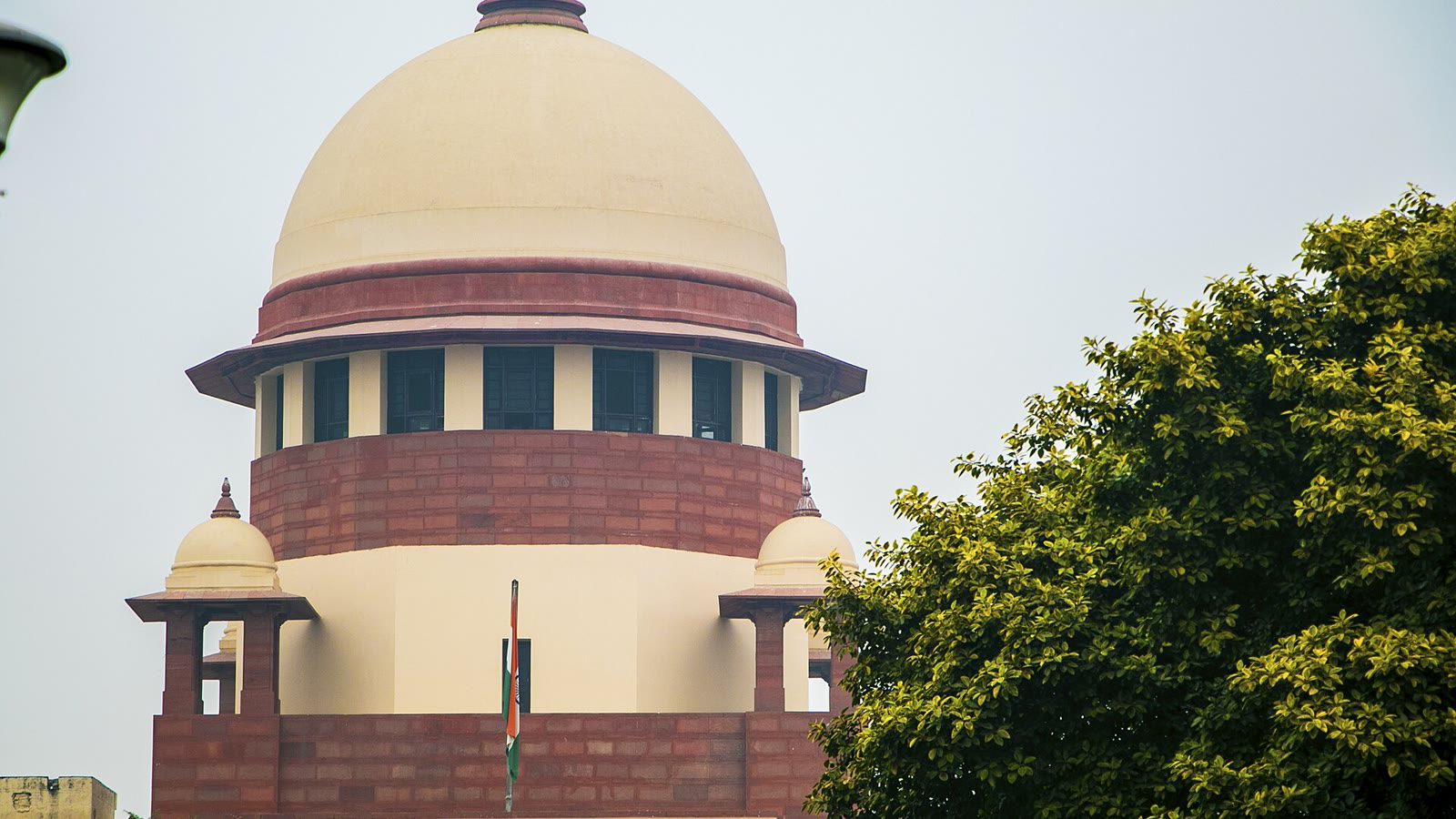
The 24-hour deadline for police to produce a person before a magistrate starts the moment that person is detained, not when officers later write up a formal arrest, the Supreme Court ruled on Thursday, 5 November. A bench of Justices Ujjal Bhuyan and Atul S. Chandurkar said a split between ‘arrest’ and ‘detention’ has no place in the Constitution.
The bench held that reading the clock from the recorded arrest goes against Article 22(2) of the Constitution and against Section 56 of the Bharatiya Nagarik Suraksha Sanhita (BNSS), the criminal procedure law that replaced the CrPC. Article 22(2) refers to every person “arrested and detained in custody”, and the judges treated the two words as one idea: the Constitution knows no detention that stands apart from arrest. A fundamental right, they said, cannot be suspended for a short spell of questioning.
Only travel time can be left out
The single period police may subtract from the 24 hours is the time needed to take the person from where they were picked up to the magistrate’s court. Hours spent on searches, seizures, inquiry or investigation before an arrest is entered in the records must be counted.
When a person is brought before them, magistrates must now write down when the detention really began, by date and hour, and count the deadline from there. If 24 hours have passed, the person must be set free at once. Even within the 24 hours, a magistrate may refuse remand if the custody ran longer than the facts justified, the bench said.
The court also held that earlier judgments of the Orissa, Madras and Kerala High Courts, which had let police leave pre-arrest detention out of the count, stated the law wrongly.
Four released in the Tripura case
The ruling came on appeals by four people whom the Tripura High Court had refused bail in a narcotics case involving the seizure of 11.03 kg of yaba tablets. They were held at 2 pm on 29 September 2025 during a search, but their arrest was recorded only at 11 am the next day. The Supreme Court said they had to be produced before a magistrate within 24 hours of that first detention, and ordered their immediate release.
Under Article 141 of the Constitution, the law declared by the Supreme Court binds every court in the country, including the magistrates who decide remand.
File photo. Photo: Subhashish Panigrahi / CC BY-SA 4.0 via Wikimedia Commons
More Stories
 Jobs & EducationNEET PG may declare only ranks, not percentiles: NMC gives in-principle nod, expert panel tells Supreme Court
 InternationalCOP31: India yet to back Türkiye’s ’35 by 2035′ electrification goal, says targets must respect national circumstances
 NationalIndian Navy frees hijacked fishing vessel Azini off Somalia; all 20 crew safe after 48-hour operation
 NationalModi sets a new clean-power goal: another 500 GW of non-fossil capacity in the next 10 to 11 years
 NationalCentre sets up a National Social Security Board for gig and platform workers, with the Labour Minister in the chair
 NationalFive shot dead at a Guwahati hotel: owner and her son among the victims as leaseholder is arrested within the hour