
Original bilingual journalism · English & తెలుగు
OBC creamy layer: Supreme Court refuses Centre two more years, says March ruling will govern civil services 2025 allocation
The court said parents' salary and farm income rule from its March verdict applies to OBC candidates of the 2025 civil services batch, but appointments made before March will not be reopened.

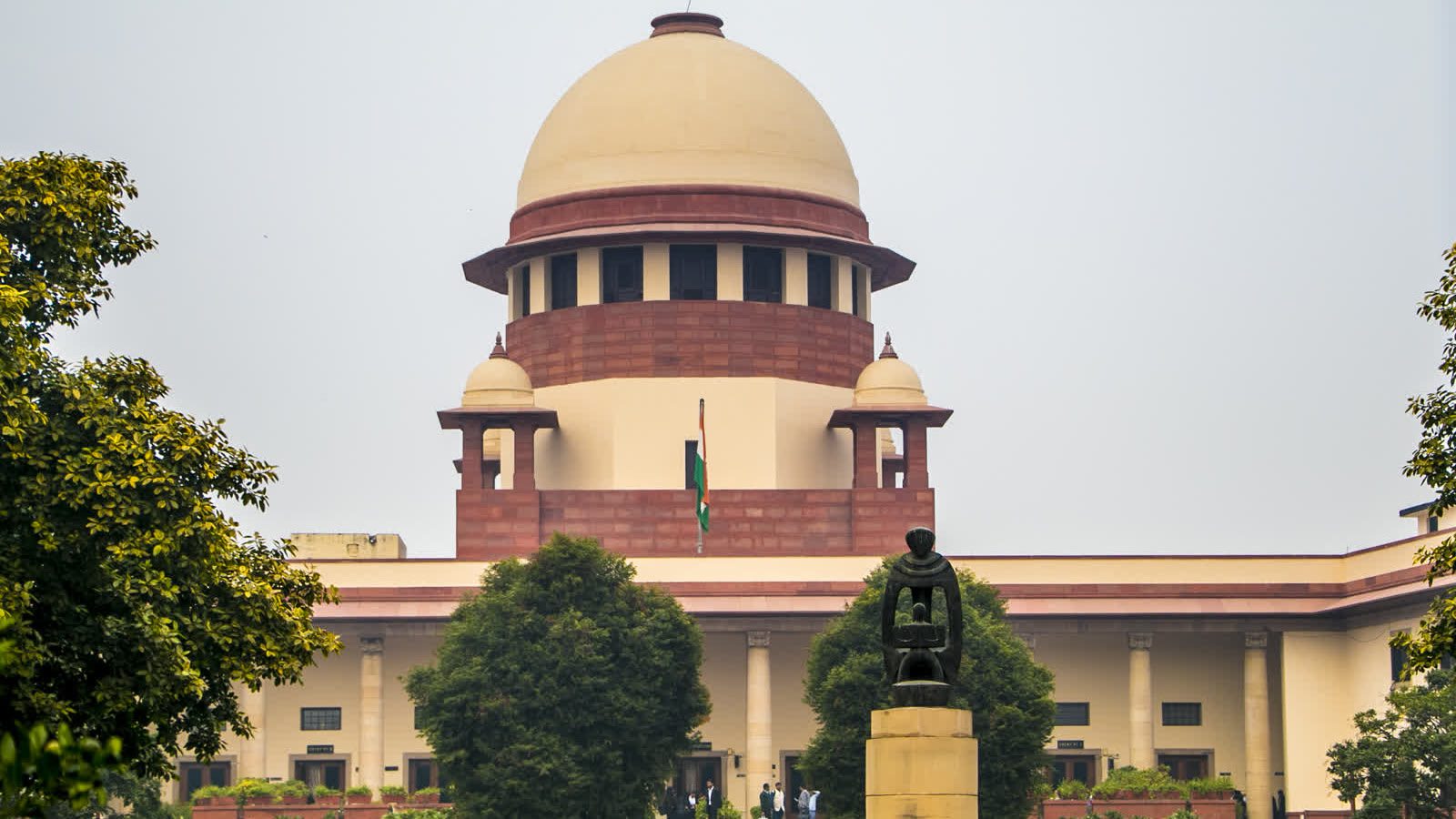
On Friday, 6 November, the Supreme Court turned down the Centre’s request for two more years before applying its March ruling on the OBC creamy layer, and said the ruling will decide how services are allotted to OBC candidates who cleared the Civil Services Examination 2025.
A Bench of Justices P.S. Narasimha and R. Mahadevan noted that the CSE 2025 result was declared on 6 March 2026 but services have not yet been allotted to the selected candidates. With that process still open, the judges found no good reason to hold back the judgment of 11 March.
What the March ruling said
In March, the court held that the salary and farm income of parents cannot simply be added up to push an OBC candidate into the creamy layer, the better-off group kept out of the 27% reservation. It upheld a 1993 Office Memorandum that left those two kinds of income out of the income and wealth test.
A clarification issued in 2004 by the Department of Personnel and Training (DoPT) counted the pay of parents employed by PSUs, banks and private firms, while children of government officers in comparable posts were judged by the rank of the post. The court called that difference “hostile discrimination”.
The Centre filed its application in August through Additional Solicitor General Aishwarya Bhati. It argued that applying the ruling to past recruitment would unsettle service and cadre allocation, seniority and admissions for lakhs of people, and wanted two years to map which PSU and private jobs equal Group A and Group B government posts.
No reopening of old appointments
The Bench said appointments finalised before the March verdict will stay as they are. It recorded the DoPT’s earlier promise to add supernumerary posts for candidates who were parties to the case and meet the non-creamy layer conditions.
Individual claims pending before courts and tribunals will be decided case by case, and the court added eight weeks to the six-month deadline it had set in March for settling them.
The judges declined to fix any timeline for the post-equivalence exercise, saying it is for the executive and lawmakers to shape reservation and creamy layer policy within the Constitution.
Service allocation for OBC candidates of the 2025 civil services batch will now follow the March criteria.
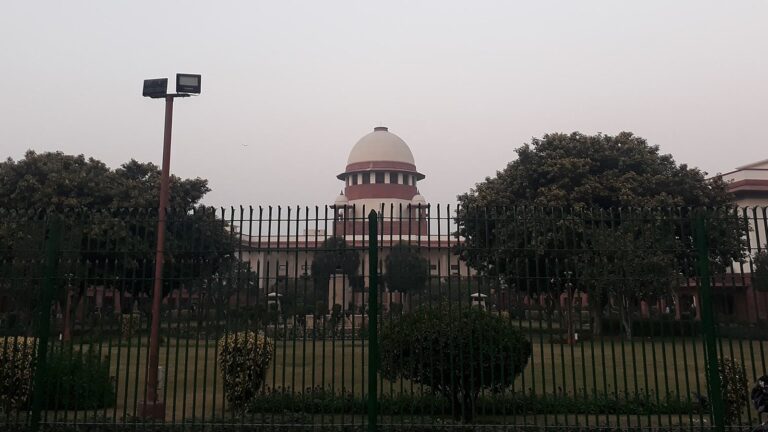
File photo. Photo: Subhashish Panigrahi / CC BY-SA 4.0 via Wikimedia Commons
More Stories
 NationalSupreme Court: 24-hour deadline to produce a detained person before a magistrate starts at detention, not at formal arrest
 NationalVande Bharat occupancy hits 99.1% in 2025-26 as the Thiruvananthapuram-Mangaluru train runs 189% full
 NationalBombay High Court tells Election Commission to restore Goa voters dropped in SIR despite filing Form 8 for an address change
 NationalFodder security: Centre lists 22 VB-G RAM G works for pastures, cattle sheds and milk centres
 NationalAgnipath revamp: Cabinet gives 75% of Agniveers a two-year second tour and a route to regular service
 Jobs & EducationNEET PG may declare only ranks, not percentiles: NMC gives in-principle nod, expert panel tells Supreme Court