
Original bilingual journalism · English & తెలుగు
Rice stock limits: Centre clears caps for Andhra Pradesh, Telangana and three more southern states
The Union food ministry has made weekly stock disclosure compulsory for every rice trader and miller, and allowed five southern states to cap rice and paddy holdings until 31 January 2027.

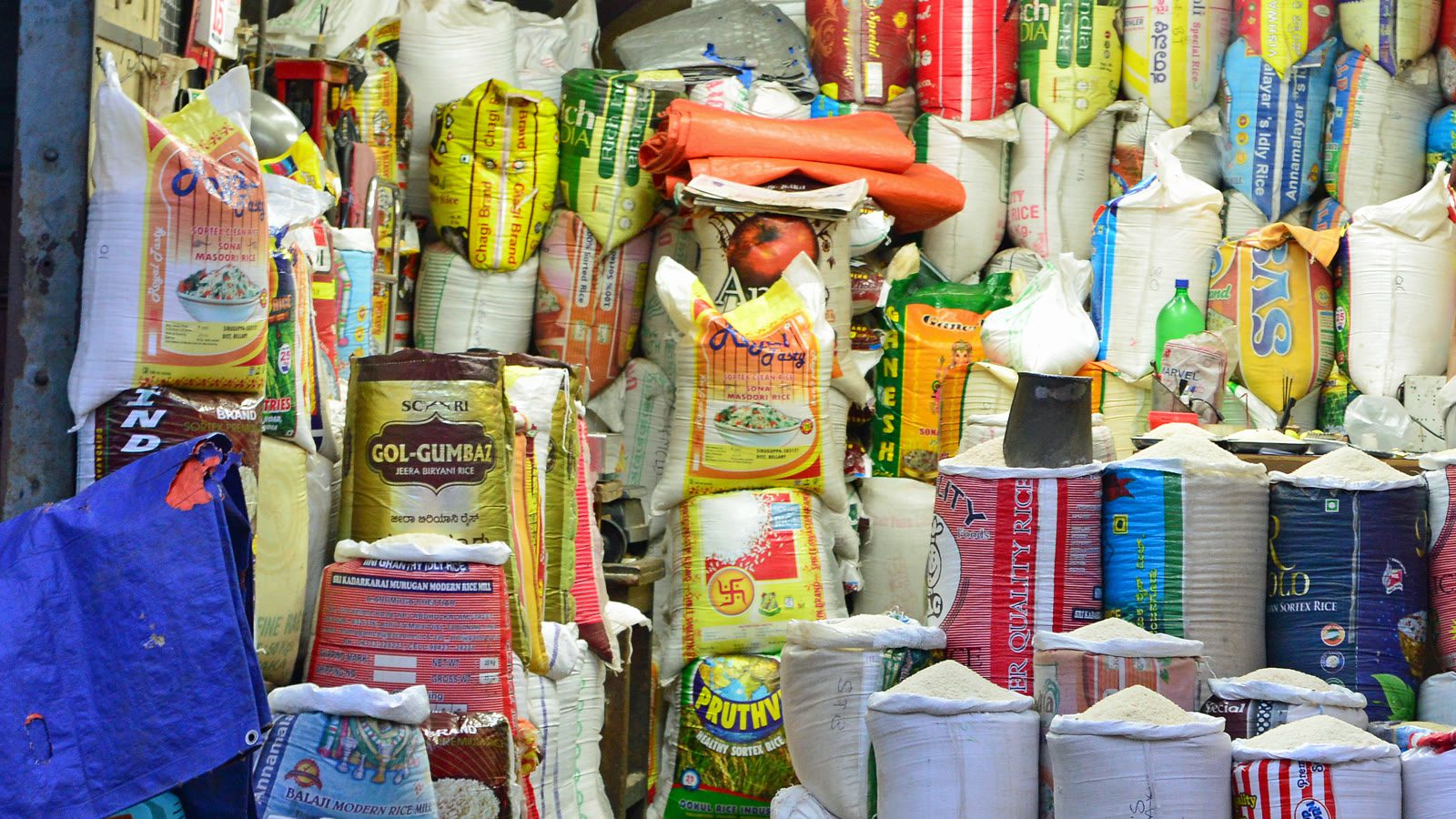
Every rice trader, wholesaler, retailer, large retail chain and miller in the country must now report how much rice and paddy it holds, and refresh that figure each Friday, under an order the Union food ministry issued on Friday, 6 November 2026. The Centre has also cleared the way for rice stock limits in Andhra Pradesh, Telangana, Karnataka, Kerala and Tamil Nadu until 31 January 2027.
The Ministry of Consumer Affairs, Food and Public Distribution said it was watching foodgrain prices closely, rice above all, and announced four steps at once: compulsory stock disclosure, the go-ahead for state-level limits, more Bharat Rice in the market and a bigger target for selling government rice through open auctions.
Six categories, one weekly filing
Stockists in every state and Union Territory have to file their positions on the Food Stock Portal under six heads: basmati rice, premium non-basmati rice, other non-basmati rice, parboiled rice, broken rice and paddy. A business that has not registered on the portal, or that holds more than a prescribed limit, can be proceeded against under Sections 6 and 7 of the Essential Commodities Act, 1955.
The ministry conveyed its concurrence to the five southern governments in a letter dated 6 November. Each of them may now issue a control order fixing how much rice and paddy a trader can keep, wherever it finds that necessary. The Centre and the states will jointly track how the measures work on the ground, with hoarding and black marketing the stated targets.
More Bharat Rice, double the auction target
NAFED, NCCF and Kendriya Bhandar, the three central agencies that sell Bharat Rice, are being given extra quantities of it, with the southern states singled out for wider supply. They have been asked to use every sales channel open to them. The ministry did not state the additional quantity or a price.
Under the Open Market Sale Scheme (Domestic), the government has raised its rice e-auction target for 2026-27 from 25 lakh tonnes to 50 lakh tonnes. Private buyers had already lifted 25 lakh tonnes through these auctions by 31 October, compared with 11 lakh tonnes in the same months of 2025-26.
Whether limits apply in Andhra Pradesh and Telangana, and at what level, now depends on the two state governments, which must notify their own control orders. Any such limits can stay in force until 31 January 2027.
Representative image. Photo: Christopher J. Fynn / CC BY-SA 4.0 via Wikimedia Commons
More Stories
 NationalOBC creamy layer: Supreme Court refuses Centre two more years, says March ruling will govern civil services 2025 allocation
 NationalSupreme Court: 24-hour deadline to produce a detained person before a magistrate starts at detention, not at formal arrest
 NationalVande Bharat occupancy hits 99.1% in 2025-26 as the Thiruvananthapuram-Mangaluru train runs 189% full
 NationalBombay High Court tells Election Commission to restore Goa voters dropped in SIR despite filing Form 8 for an address change
 NationalFodder security: Centre lists 22 VB-G RAM G works for pastures, cattle sheds and milk centres
 NationalAgnipath revamp: Cabinet gives 75% of Agniveers a two-year second tour and a route to regular service