
Original bilingual journalism · English & తెలుగు

E20 petrol: Centre says all 893 samples from 27 states and UTs passed, disputes Karnataka’s finding of 26-31% ethanol
The Petroleum Ministry says every one of 893 E20 samples from 27 states and Union Territories stayed within the 19-21% ethanol band, and the oil companies want Karnataka's samples retested at an authorised laboratory.

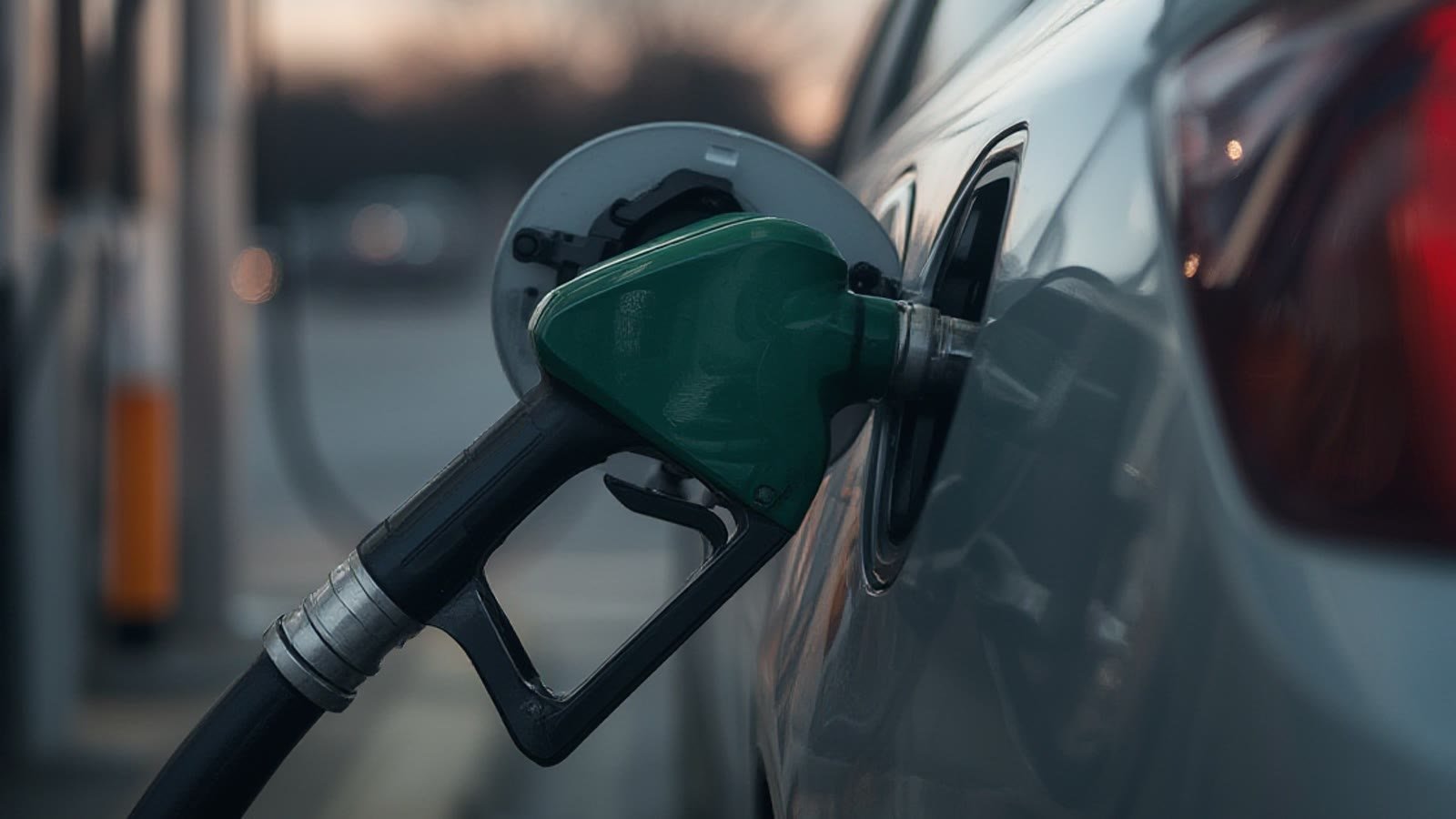
The Union Petroleum Ministry has said that E20 petrol sold by the three state-run oil companies meets the national fuel standard: all 893 samples drawn from their depots and pumps in 27 states and Union Territories showed ethanol within the permitted 19% to 21%. The statement, issued on Saturday, 7 November, rejects Karnataka’s finding of 26% to 31% ethanol at some outlets in that state.
Karnataka’s Department of Food, Civil Supplies, Consumer Affairs and Legal Metrology released its results on Friday, 6 November, after testing petrol from seven districts, Bengaluru among them. It wants action against the companies, compensation for motorists and the ethanol percentage displayed at fuel stations.
The ministry replied with its own Karnataka figures: 56 samples from all three companies held 19% to 20% ethanol, averaging 19.30%. Nationally, 330 samples came from Indian Oil, 280 from BPCL and 283 from HPCL, all tested under IS 17021, the BIS standard for blended petrol.
Six bottles, three pairs
The companies say Karnataka’s October round skipped the legal routine. The 2005 Motor Spirit and High Speed Diesel Order and the 2024 Marketing Discipline Guidelines require six one-litre bottles: one pair for the dealer, one for the oil company or the department, and one for a notified laboratory, with jointly signed labels. None of their staff were present for the October sampling, they add, and the retained bottles, outlet list and lab reports have not reached them.
The ministry also faulted the private laboratory certificates. They cite gas chromatography but not the test method, the 1:1 dilution or the E10 reference sample the standard requires. Their density readings of 0.742 to 0.749 g/cc sit below the 0.752 to 0.760 g/cc the companies logged for E20, though extra ethanol, being denser than petrol, should push density up.
The mileage arithmetic
Karnataka put the yearly cost to consumers at about Rs 1.01 lakh crore: Rs 62,000 crore from a 10% fall in mileage and Rs 39,000 crore in repairs. The ministry called a flat 10% loss unscientific, citing its August 2025 figures: 1% to 2% for vehicles calibrated for E20, 3% to 6% for certain others. In the 2025-26 ethanol supply year, which ended on 31 October, the companies blended 1,134 crore litres of ethanol into about 5,673 crore litres of petrol sold, almost exactly 20%.
The ministry gave no state-wise count beyond Karnataka, so the number of samples drawn in Andhra Pradesh and Telangana is not known. The companies have asked Karnataka for its full sampling records and the counterpart samples, for a retest at an authorised laboratory with state and company officials present. Any breach confirmed through the set procedure will face action under the guidelines, the ministry’s statement says.
Telugu Scope illustration.
More Stories
 NationalRice stock limits: Centre clears caps for Andhra Pradesh, Telangana and three more southern states
 NationalOBC creamy layer: Supreme Court refuses Centre two more years, says March ruling will govern civil services 2025 allocation
 NationalSupreme Court: 24-hour deadline to produce a detained person before a magistrate starts at detention, not at formal arrest
 NationalVande Bharat occupancy hits 99.1% in 2025-26 as the Thiruvananthapuram-Mangaluru train runs 189% full
 NationalBombay High Court tells Election Commission to restore Goa voters dropped in SIR despite filing Form 8 for an address change
 NationalFodder security: Centre lists 22 VB-G RAM G works for pastures, cattle sheds and milk centres