
Original bilingual journalism · English & తెలుగు
APSCHE PG overhaul: 12 new-age courses for each of 28 Andhra Pradesh universities, exit diploma after one year
The Andhra Pradesh State Council of Higher Education wants every State university to offer 12 master's programmes tied to jobs, enterprise and regional needs, with a one-year exit diploma and a rollout from 2027-28.

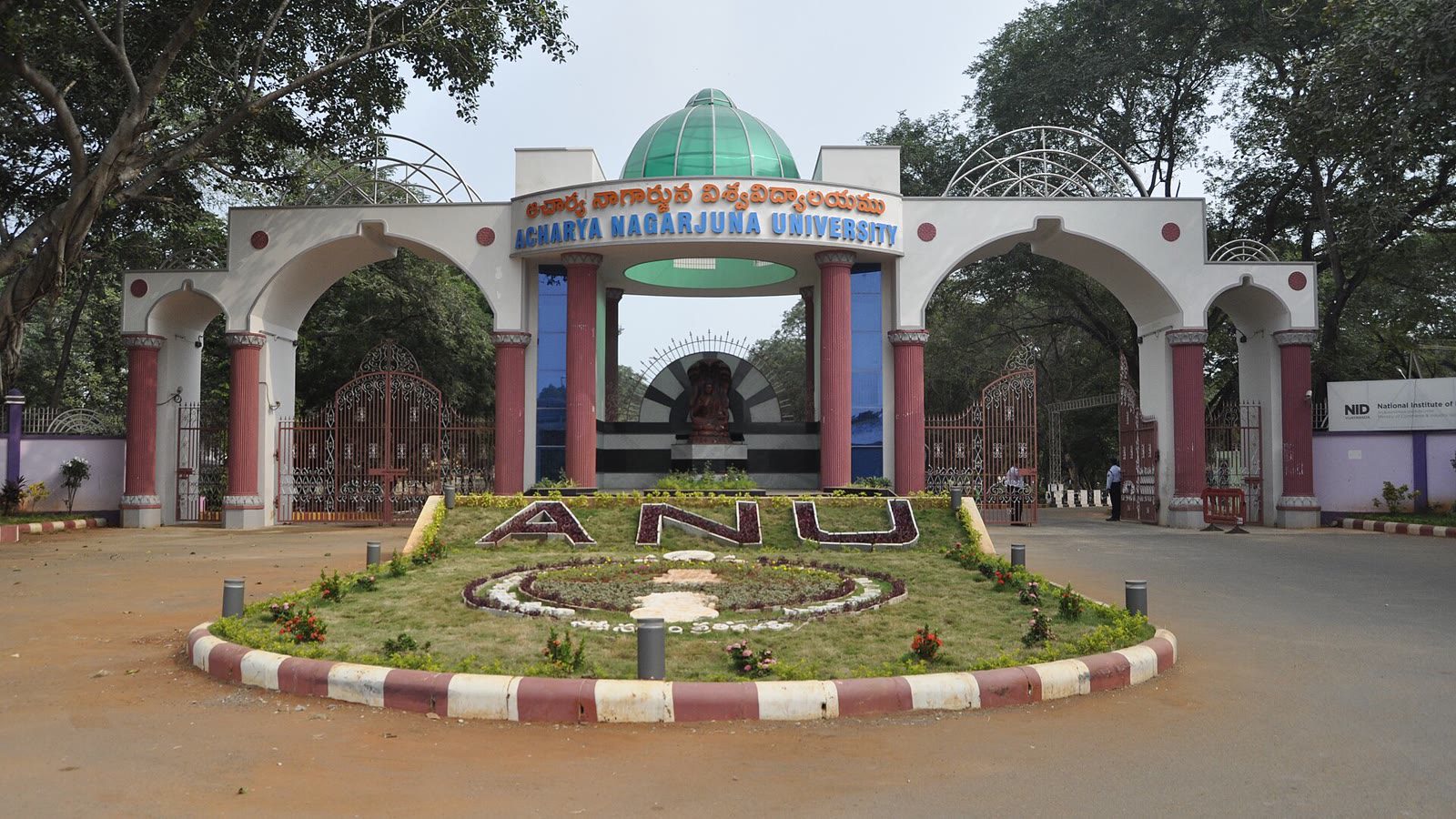
Andhra Pradesh’s 28 State universities could see their master’s programmes rebuilt from 2027-28 under an APSCHE PG overhaul that gives each campus 12 courses of its own and lets students leave with a diploma after one year. The Andhra Pradesh State Council of Higher Education (APSCHE) has drawn up the plan, which moves away from single-subject, exam-centred degrees towards courses built on research, industry work and the needs of each region.
Council chairman (in-charge) Prof. S. Vijaya Bhaskara Rao said the blueprint follows the National Education Policy 2020 and University Grants Commission norms. It lists about 336 indicative postgraduate programmes, 12 for every university, grouped under four heads: jobs, enterprise, local needs and future-facing global subjects. Each campus, he said, would offer courses suited to its strengths, location and local industry.
What changes for students
Every two-year master’s course would follow a common framework of 80 to 88 credits. Alongside core papers and a specialisation, students would take electives from other disciplines, research methods, artificial intelligence, academic writing, data analysis and digital skills. Internships, field work, industry projects, a dissertation and a capstone project would become part of the degree.
The plan also adds more ways in and out. A student who earns 40 credits in year one could leave with a postgraduate diploma. Those who complete a four-year bachelor’s degree could finish a master’s in one year, integrated UG-PG courses of five years would be offered, and a student could pursue two master’s degrees together if UGC and university rules allow.
A focus for each campus
Andhra University in Visakhapatnam would build on maritime logistics and the blue economy, Acharya Nagarjuna University on public policy and quantum technologies, Sri Krishnadevaraya University on renewable energy and dryland farming, and Rayalaseema University on climate adaptation and water security. Technical universities would take up drones, electric vehicles, green hydrogen, semiconductors and advanced computing. Universities for agriculture, fisheries and health would design courses in their own fields.
The council has also proposed 10 centres of excellence and 12 thematic clusters at State level, linking universities, industry and research institutions in a hub-and-spoke model.
Work would run on two tracks. In 2027-28, current master’s courses would be redesigned to carry the common credit system, internships, capstone projects and training in artificial intelligence and data. New courses would follow in phases from 2028-29, starting with those that lead straight to jobs, followed by courses for regional needs and global competition.
An expert committee at State level, 11 subject panels and reform cells in each university would steer the change. APSCHE will consult stakeholders and put out its advisory guidelines by July 2027, after which each university must get statutory approval for new curricula and programmes.
File photo. Photo: Hemantanayak955 / CC BY-SA 4.0 via Wikimedia Commons
More Stories
 Andhra PradeshTTD Specified Authority takes charge in Tirumala; Vaikunta Dwara Darshan from 20 to 29 December, e-DIP tokens for the opening three days
 Andhra PradeshCyclone Murasu loss put at Rs 1,918.55 crore with crops hit on 1.43 lakh hectares; Naidu tours Bapatla and Guntur as power returns for 29 lakh consumers
 Andhra PradeshMPTC, ZPTC polls close with 58.55% turnout by 3 pm; four flood-hit mandals vote on Friday, counting on Saturday from 8 am
 Andhra PradeshDrought in Andhra Pradesh: Naidu seeks farm loan rescheduling and Central aid as Rayalaseema stays 43% short of rain despite two cyclones
 Andhra PradeshMori-5 blowout: APPCB proposes Rs 36.17 crore environmental compensation from ONGC for running the Konaseema well without consents
 Andhra PradeshMPTC, ZPTC polls under way in Andhra Pradesh: 2.61 crore rural voters, 8,349 seats, counting on 7 November