
Original bilingual journalism · English & తెలుగు
Mori-5 blowout: APPCB proposes Rs 36.17 crore environmental compensation from ONGC for running the Konaseema well without consents
A show-cause notice from the Andhra Pradesh Pollution Control Board gives ONGC 15 days to explain why it should not pay Rs 36.17 crore over the January gas well blowout at Irusumanda in Konaseema district.

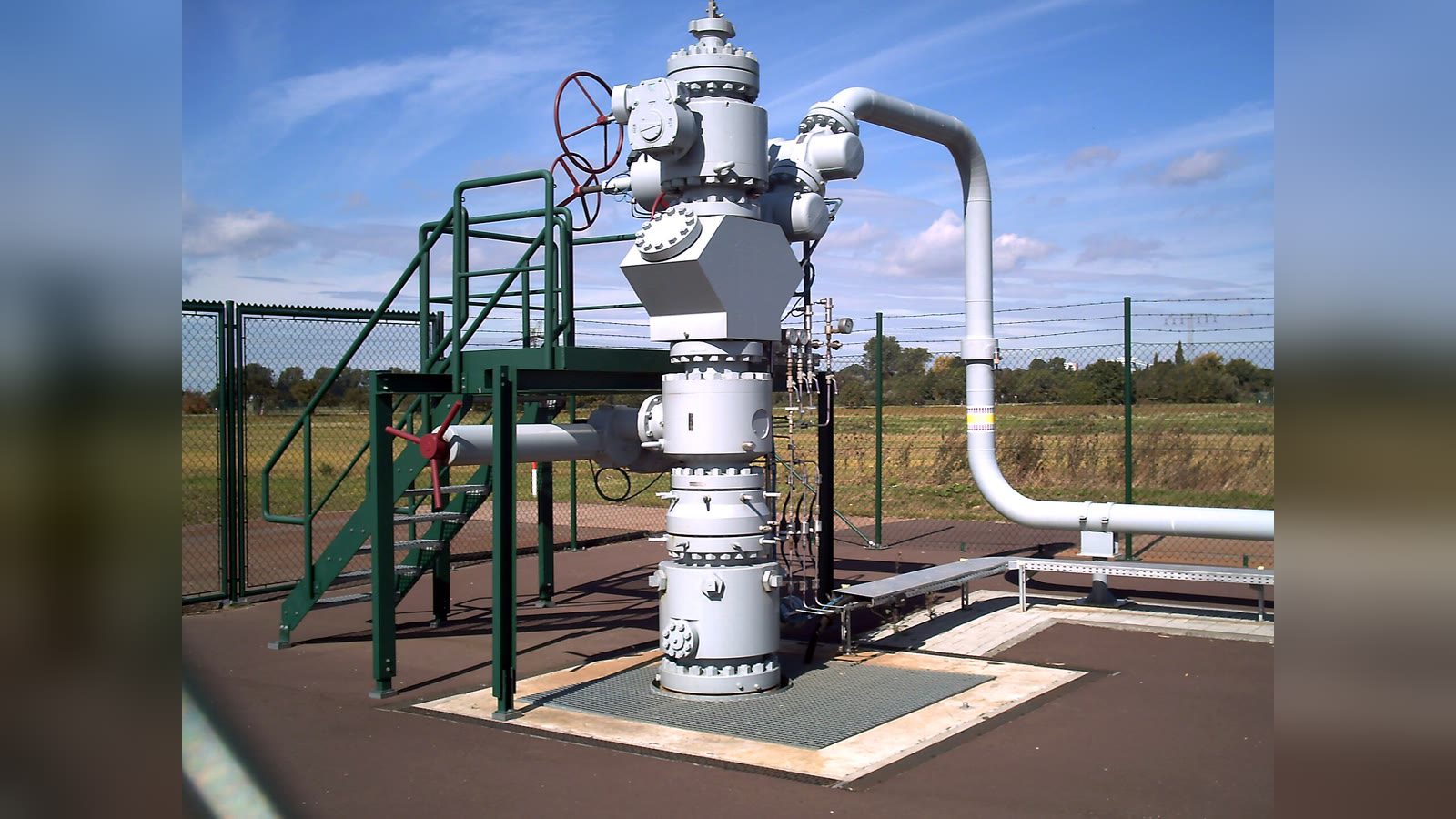
The Andhra Pradesh Pollution Control Board (APPCB) wants the state-owned Oil and Natural Gas Corporation (ONGC) to explain why it should not pay Rs 36.17 crore in environmental compensation for the Mori-5 gas well in Konaseema district, which blew out and caught fire on 5 January 2026. The board says the well was being run without the environmental clearance and the pollution consents the law requires.
The show-cause notice, dated 15 September and signed by APPCB Member Secretary S. Srisaravanan, puts the exact figure at Rs 36,17,10,000. It counts 12,057 days of operation without the mandatory clearances and consents, and gives ONGC 15 days from receipt to reply. If no reply comes, the board can levy the amount for the environmental damage caused by the blowout.
What happened at Irusumanda
Mori-5 sits at Irusumanda, a village in Malkipuram mandal of Dr B.R. Ambedkar Konaseema district. ONGC drilled it in March 1994, and it produced from January 1995 until April 2009, after which it stood idle. In 2025 the Mori field was handed to a production enhancement contractor, DESPL, which planned to bring the well back into production from an unused zone. During that workover job, gas escaped out of control and the well caught fire. An ONGC crisis management team capped it on 10 January, and the well has stayed shut since.
An APPCB monitoring committee reviewed the incident on 8 April and found that the work had gone ahead without the board’s two permissions, a Consent to Operate (CTO) and a Consent to Establish (CTE). It recommended that production be stopped. The board issued the stop-production order on 23 April under Section 33A of the Water Act, 1974, and Section 31A of the Air Act, 1981. ONGC told the stock exchanges on 25 April that it had received the order a day earlier, that the impact on a company of its size was not significant, and that it would review the order and respond.
Green tribunal case pending
The blowout is also before the Chennai bench of the National Green Tribunal, where a Konaseema environmental activist has filed a case (OA No. 20 of 2026) on the incident and on the way the well was operated. The board worked out the compensation under Central Pollution Control Board guidelines. ONGC’s reply to the notice has not been made public.
Representative image. Photo: HartmannValves / CC BY 3.0 via Wikimedia Commons
More Stories
 Andhra PradeshTTD Specified Authority takes charge in Tirumala; Vaikunta Dwara Darshan from 20 to 29 December, e-DIP tokens for the opening three days
 Andhra PradeshCyclone Murasu loss put at Rs 1,918.55 crore with crops hit on 1.43 lakh hectares; Naidu tours Bapatla and Guntur as power returns for 29 lakh consumers
 Andhra PradeshMPTC, ZPTC polls close with 58.55% turnout by 3 pm; four flood-hit mandals vote on Friday, counting on Saturday from 8 am
 Andhra PradeshMPTC, ZPTC polls under way in Andhra Pradesh: 2.61 crore rural voters, 8,349 seats, counting on 7 November
 Andhra PradeshNaidu asks Piyush Goyal to free 150 chilli containers worth Rs 60 crore stuck in Colombo on moisture grounds
 Andhra PradeshAfter Arnab and Murasu, Naidu writes to Amit Shah for immediate Central aid; interim report to Centre puts damage at Rs 4,526 crore