
Original bilingual journalism · English & తెలుగు
One in four adolescents has no active day in a week, WHO study finds; India missing from the data
About 240 million people between the ages of 11 and 17 went through the previous week without a single active day, new WHO estimates show. India could not be counted because no survey met the study's standards.

A quarter of the world’s adolescents went through the previous week without a single day of an hour’s brisk activity, according to estimates the World Health Organization (WHO) released on Wednesday, 4 November. The findings, which appear in The Lancet Global Health, put that group at about 240 million people between the ages of 11 and 17.
An active day, as the researchers define it, means 60 minutes or more of moderate-to-vigorous activity: sport, exercise, a walk or cycle ride to school, or play that raises the heart rate. The team combined 389 surveys of the general population spanning 140 countries and territories, with over 3.2 million adolescents taking part. The typical adolescent was active on 2.7 days in a week, and only 14% managed it every day of the week. Those numbers have hardly shifted in 15 years, and WHO said no country is on course for the goal member states agreed in 2018: a 15% cut in physical inactivity by 2030.
Girls fall further behind
The gap between girls and boys shows up in nearly all countries and all WHO regions. Among girls, 28% had no active day; for boys the figure was 22%. Daily activity was reported by 11% of girls and 17% of boys. Between countries the spread is wide, from 4% of adolescents with no active day in some to more than 40% in others. WHO Director-General Dr Tedros Adhanom Ghebreyesus said the fix lay in making schools, streets and neighbourhoods places where moving is safe and ordinary, rather than in urging teenagers to make more effort. WHO links a lack of activity to a higher risk of some cancers, heart disease and type 2 diabetes.
Why India is not counted
India does not appear in the estimates. Study author Tessa Strain of the University of Edinburgh’s Physical Activity for Health Research Centre said the team examined more than 15 Indian surveys in detail, but each failed at least one test: being nationally or large-scale sub-nationally representative, having been run since 2008, and asking adolescents the specific activity question. WHO wants governments to act through schools, transport, urban planning and sport, and to tackle the barriers girls face. The new estimates are to become WHO’s official statistics, the authors said.
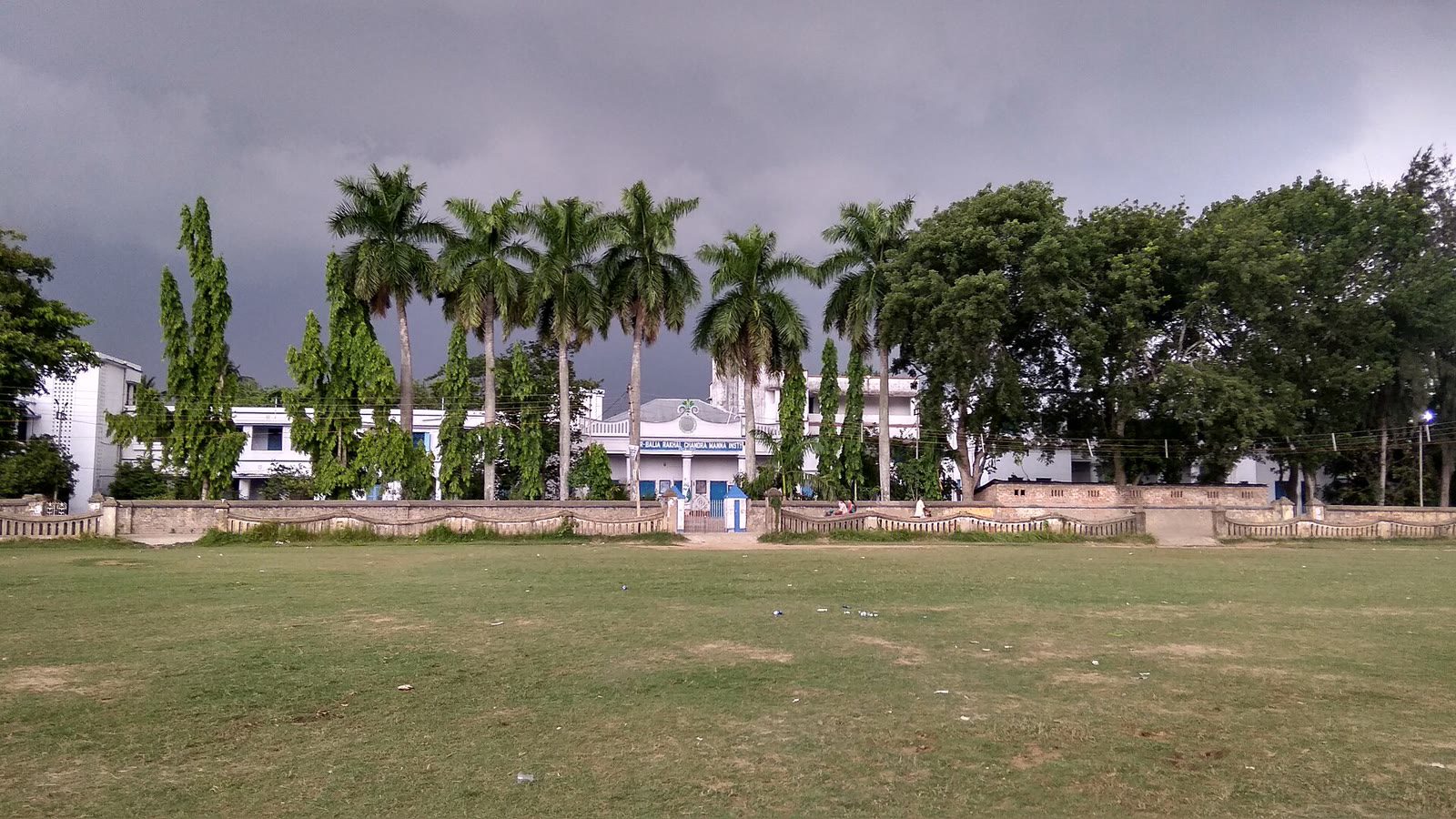
Representative image. Photo: Kingarthur581 / CC BY-SA 4.0 via Wikimedia Commons
More Stories
 LifestyleCracker injury to the eye this Diwali: what to do, and how Hyderabad’s 108 ambulances are now equipped
 LifestyleBuying pheni for Dasara? What Telangana’s hygiene raids on pheni units found
 LifestyleVijayadashami: Vijay Muhurtham timings and the bank and stock market holiday at a glance
 LifestyleRain may dampen Dasara in coastal Andhra as IMD forecasts heavy showers till October 21
 LifestyleDasara exodus: 120 rail specials, 7,000 extra RTC buses as Hyderabad heads home
 BusinessLithium and nickel processing: Centre to pay 30% of the cost of four plants under a Rs 2,814 crore scheme