
Original bilingual journalism · English & తెలుగు
79 years after Independence, why is a poor person’s nomination still so feared?
Thousands of local body seats across Andhra Pradesh were settled before a single vote was cast, amid allegations from district after district of cash offers to withdraw and threats for those who refused. What do elections decided before polling day say about Indian democracy?

Andhra Pradesh votes in its parishad elections on 5 November. But in thousands of villages, the winner was known before polling day. Withdrawals closed on 27 October. According to the State Election Commission’s figures, 77 of 659 ZPTC seats were then declared unopposed, without a single vote cast. The ruling alliance took 76 of them: TDP 71, BJP 3 and Jana Sena 2. The opposition got one. Nearly 2,000 of about 9,800 MPTC seats went the same way, which means that in roughly one MPTC seat in five, a representative was chosen without asking the voter.
The same story, district after district
In Palnadu district, 18 of 28 ZPTC seats were settled without a contest. In Pulivendula, YSRCP chief Jagan Mohan Reddy’s own constituency, 64 of 65 MPTC seats went unopposed. Most of the unopposed results are concentrated in Rayalaseema and Palnadu.
The DGP’s office recorded stone-pelting, vehicles set on fire and nomination papers torn during the nomination phase. DGP Harish Kumar Gupta warned at the time that tearing up nomination papers is “a direct attack on the right to contest.” The opposition has alleged in several districts that candidates were threatened and made to sign withdrawal forms. The ruling side rejects those charges and blames opposition leaders for the violence.
One example: Kundurru
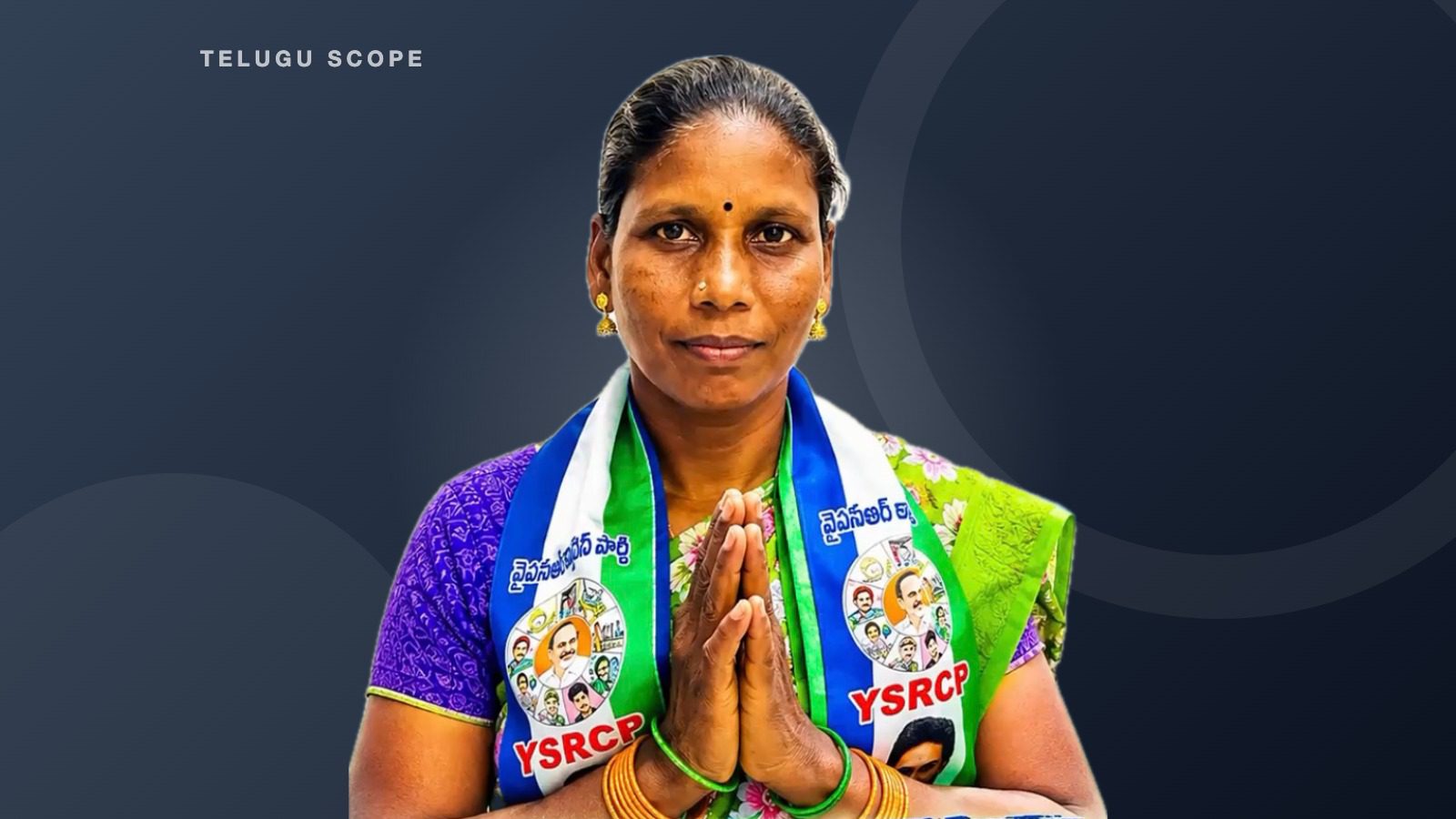
Kundurru, a village in Santhamaguluru mandal of the Addanki constituency in Bapatla district, shows what can lie behind these numbers. Its MPTC seat is reserved for Scheduled Tribes. A tribal woman contesting the seat alleges that a woman who holds a post in the ruling party phoned her and offered Rs 5 lakh if she withdrew her nomination. When she refused, she says, the caller warned that “if you stay honest, your family will suffer.” She did not take the money and stayed in the race. Her party’s leaders say an audio recording of the call has surfaced. Telugu Scope has not independently examined that audio, and the ruling party has not responded to the allegation so far. We will add its response here if it gives one.
Not every unopposed win is the product of a threat. In some places the opposition simply could not find candidates, and in others its own local leaders gave up. But when two-thirds of a district’s ZPTC seats, and almost every MPTC seat in a constituency, are settled without a vote, it is hard to call that ordinary political strength. The real question is what is left of the voter’s role.
79 years of freedom, and politics still in the hands of money
India completed 79 years of Independence on 15 August and has entered its 80th year. The Constitution gave every citizen one vote, of equal value for the millionaire and the daily wage worker. Seats in local bodies were reserved for Scheduled Castes, Scheduled Tribes, Backward Classes and women precisely so that power would reach the poorest person in the village.
Offering money to a poor candidate in a reserved seat to step aside is not just buying one candidate. It is buying the idea behind the reservation. A poor person who wants to contest needs the permission of the rich; without permission comes the cash, and if the cash is refused, the threat. If that becomes the pattern, the poor will be left with nothing in elections but pasting posters and carrying flags.
Democracy means something real only when a poor person can file a nomination, that nomination reaches the ballot paper, and the voter gives the verdict. If any one of those steps is blocked, the election becomes a formality. If there is no contest because people chose it that way, there is nothing to object to. But when the contest is removed with money, power and fear, the voter’s right has been stolen.
Where it is going wrong
Police protection on paper only. The DGP’s office itself said that on 22 October alone there were 31 election-related incidents across 13 districts, 22 of them involving violence or clashes. Sixteen cases were registered and at least 54 people named as accused, but only four were detained on the spot. The State Election Commissioner had already ordered protection for candidates; that so many incidents still took place means the order did not reach the ground. Law and order is the government’s responsibility.
Blocked at the nomination counter. The opposition alleges its candidates were prevented from filing nominations in several places, including Punganur, Rayachoti, Kadapa and Tirupati. The Commission extended the deadline only in a handful of wards. On 27 October the Supreme Court refused a statewide extension and said those who could not file may seek redress through election petitions after the polls. In other words, a candidate kept away from the counter gets a remedy only after the seat has been filled, while the power and the funds stay with the winner.
No light on withdrawals. Nominations were withdrawn in thousands of seats. The public has no way of knowing who handed in those withdrawal forms, when, or in whose presence. If every withdrawal were video-recorded, allegations that signatures were obtained under threat could be settled in minutes.
Silence from the ruling side. With the alliance taking 76 of the 77 unopposed ZPTC seats, a clear instruction should go from the ruling leadership to its cadre: let rivals contest, and win with votes. It is the responsibility of those in power to treat unopposed wins as a question, not a trophy.
Power is not permanent
Those now using money and power to push rivals out of the race should remember one thing: when power changes, the same weapon will be turned on them. If each side keeps taking revenge on the other, villagers will lose faith in elections altogether. The loser is not any party but the voter, and no party can govern a society that has lost faith in democracy for long.
What must happen now
Wherever cash offers or threats are alleged, the police and the State Election Commission should investigate and establish the facts. Where audio or video is said to exist, examining it is not difficult. If an allegation is true, those responsible must face action, whichever party they belong to. If it is false, that should come out too. In mandals with large numbers of unopposed results, the Commission should make the withdrawal forms and their video records public. Where polling takes place on 5 November, candidates and voters must be given full protection.
That a poor candidate needs this much courage just to keep the right to contest, 79 years after Independence, is what our democracy should be thinking about. Elections decided before a single vote is cast may profit someone, but they always weaken democracy.
The tribal woman contesting the Kundurru MPTC seat in Bapatla district. Image: campaign photo.
More Stories
 Andhra PradeshAP cabinet clears 48 items and backs full relief for Cyclone Arnab victims; Naidu tells ministers to suspend local-poll rebels
 Andhra PradeshAndhra Pradesh bans non-dairy paneer for one year: manufacture, storage, transport and sale prohibited
 Andhra PradeshGSLV-F18 to lift off from Sriharikota at 11:51 pm on Friday, 30 October, carrying NavIC satellite NVS-03
 Andhra PradeshCyclone Arnab: Naidu briefs Amit Shah on the damage, asks for Central teams and aid as crop losses top 2.2 lakh hectares
 Andhra PradeshAP Municipal Election Results 2026: corporation-wise and party-wise results for 13 corporations and 87 towns, counting on 3 November
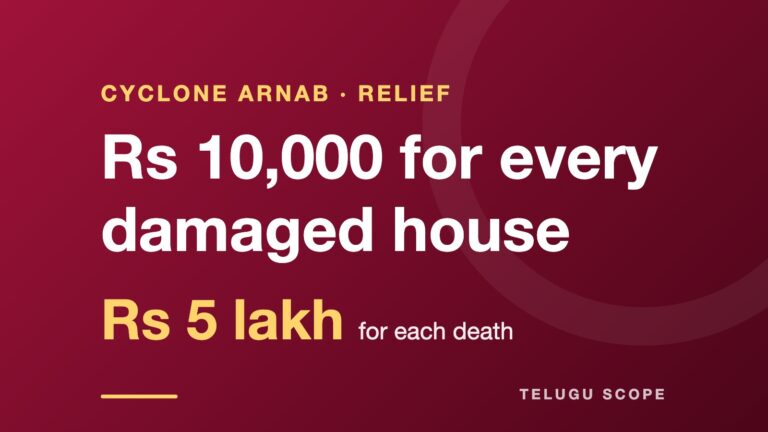 Andhra PradeshCyclone Arnab relief: Rs 5 lakh for each death, Rs 10,000 for every damaged house as the storm weakens over Andhra Pradesh