
Original bilingual journalism · English & తెలుగు
GSLV-F18 to lift off from Sriharikota at 11:51 pm on Friday, 30 October, carrying NavIC satellite NVS-03
ISRO will send up NVS-03, the third of its second-generation navigation satellites, as it works to bring India's NavIC system back to standalone positioning.

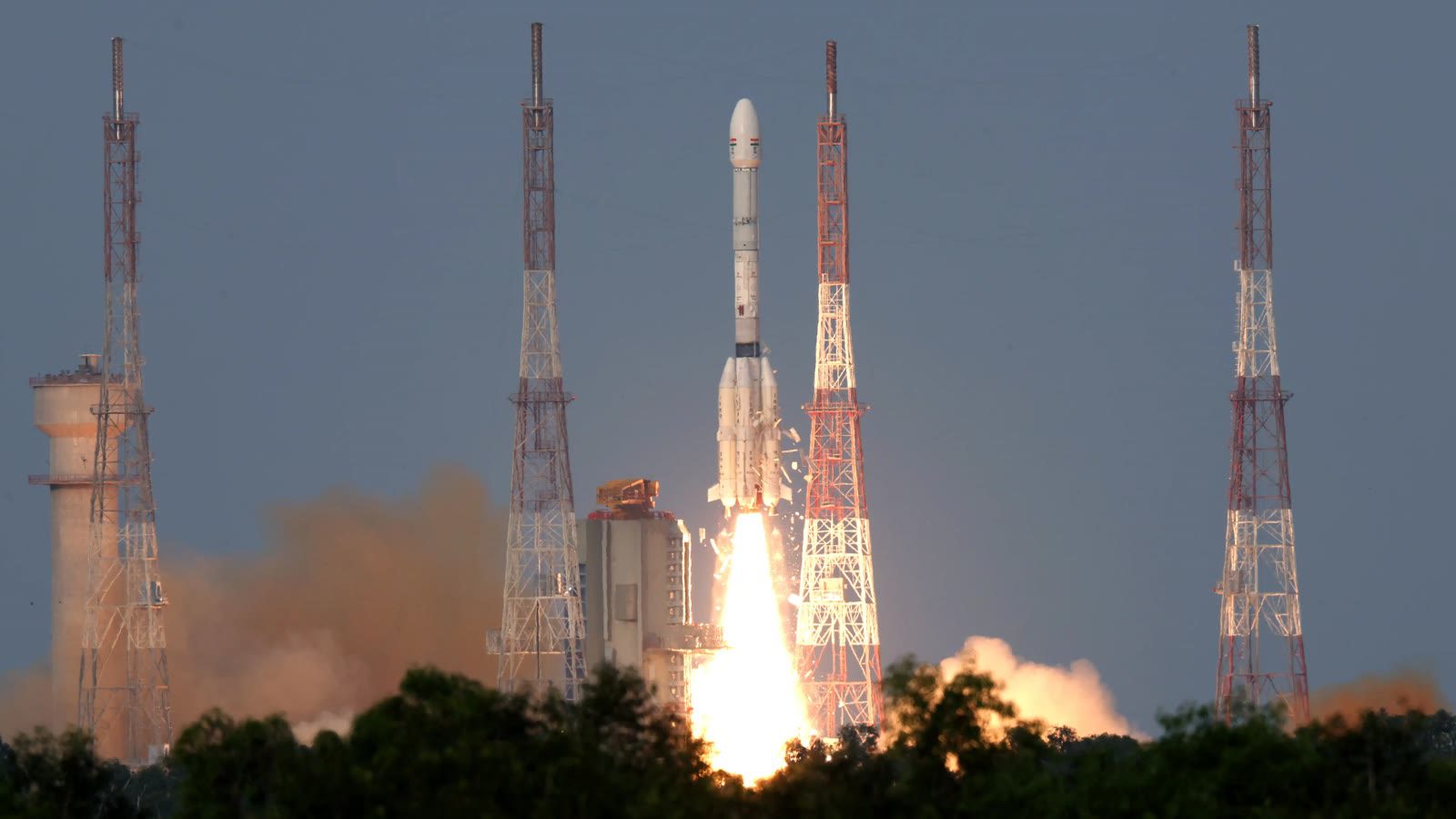
The Indian Space Research Organisation has scheduled its GSLV-F18 mission to lift off from the Second Launch Pad of the Satish Dhawan Space Centre at Sriharikota, in Tirupati district, at 11:51 pm IST on Friday, 30 October. On board is NVS-03, the third satellite in ISRO’s second-generation navigation series, built to keep India’s regional navigation system, NavIC, in service. ISRO announced the launch schedule on Wednesday, 28 October.
NavIC, earlier known as IRNSS, provides position and timing services across India and over a belt extending about 1,500 km beyond its borders. NVS-03 carries an indigenous atomic clock together with procured atomic clocks, and it adds a signal in the L1 band to the L5 and S-band signals the system already broadcasts. The rocket is to release the satellite into a geosynchronous transfer orbit, from where it will be manoeuvred into its final working orbit.
The GSLV’s 20th flight
GSLV-F18 is the 20th flight of the Geosynchronous Satellite Launch Vehicle, which weighs about 420 tonnes at lift-off, ISRO said. Its first stage combines a solid-fuel core motor with four liquid-fuel strap-on boosters, the second stage runs on liquid fuel, and a cryogenic engine powers the upper stage, with the satellite carried under a 3.4-metre payload fairing.
A fourth working satellite
The launch comes as NavIC is running short of working satellites. The Department of Space told Parliament on 29 July that standalone positioning needs at least four operational satellites, while three, IRNSS-1B, IRNSS-1I and NVS-01, are now in service. NVS-03 can join that count only after it reaches orbit and completes testing and commissioning.
The first satellite of the new series, NVS-01, flew on GSLV-F12 on 29 May 2023. The second, NVS-02, was launched on GSLV-F15 in January 2025 but could not be raised to its intended orbit because of a fault in its propulsion system.
File image: GSLV-F16 launch, 2025. Photo: ISRO / GODL-India via Wikimedia Commons
More Stories
 Andhra PradeshCyclone Arnab relief: Rs 5 lakh for each death, Rs 10,000 for every damaged house as the storm weakens over Andhra Pradesh
 Andhra PradeshAP MPTC, ZPTC polling moved to 5 November, counting to 7 November; parishad polls no longer clash with municipal counting
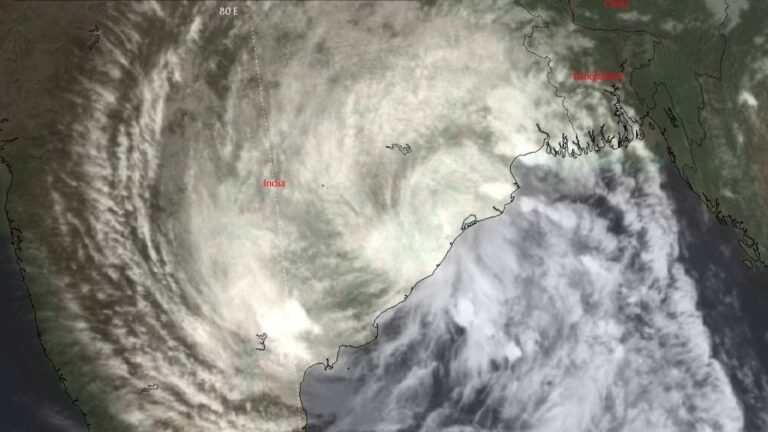 Andhra PradeshCyclone Arnab landfall complete near Yanam: three dead in Andhra Pradesh, 70,900 hectares of paddy under water, Naidu asks Centre for assessment teams
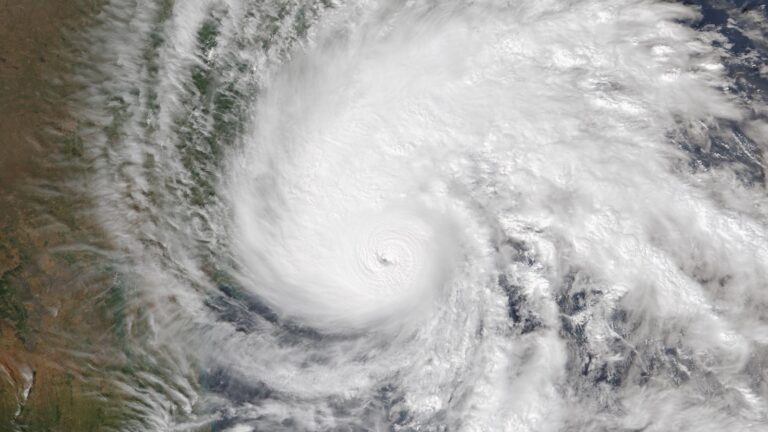 Andhra PradeshCyclone Arnab: 21 flights cancelled, 2,199 shelters open as Andhra waits for landfall near Yanam on 28 October
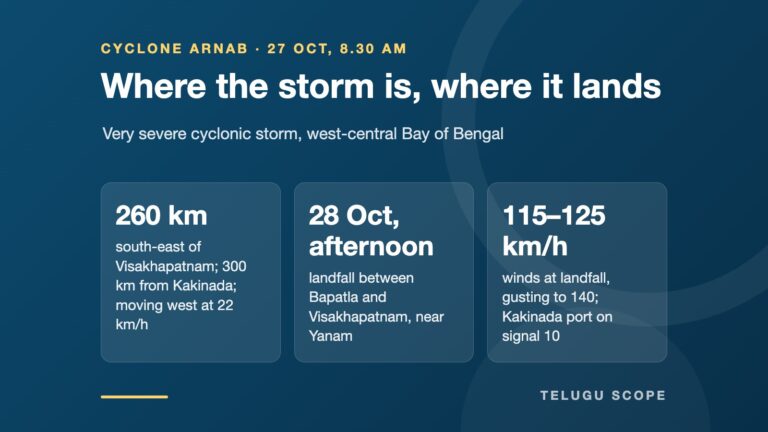 Andhra PradeshCyclone Arnab: 260 km off Visakhapatnam, landfall near Yanam on 28 October with winds up to 140 km/h
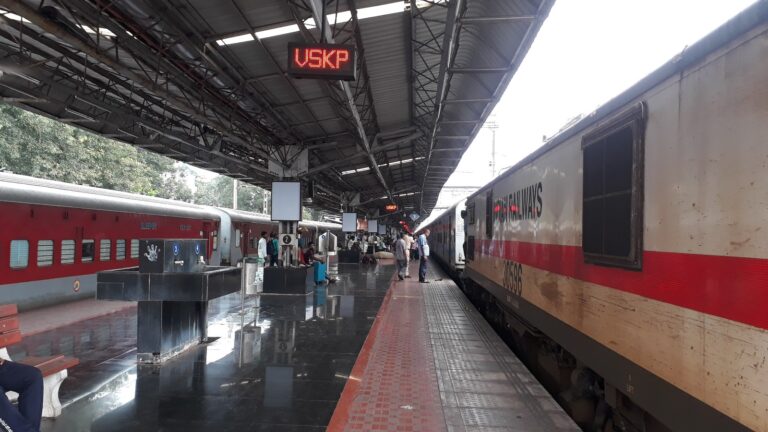 Andhra PradeshCyclone Arnab: 61 trains off, schools shut in four districts and Rs 27 crore released as the storm turns very severe