
Original bilingual journalism · English & తెలుగు

Railways approves weekly Janakpur-Ayodhya train, a 604 km link from Nepal
Indian Railways has approved a weekly train from Nepal's Janakpur Dham to Ayodhya, a 604 km run through Bihar and Uttar Pradesh with ten intermediate stops.

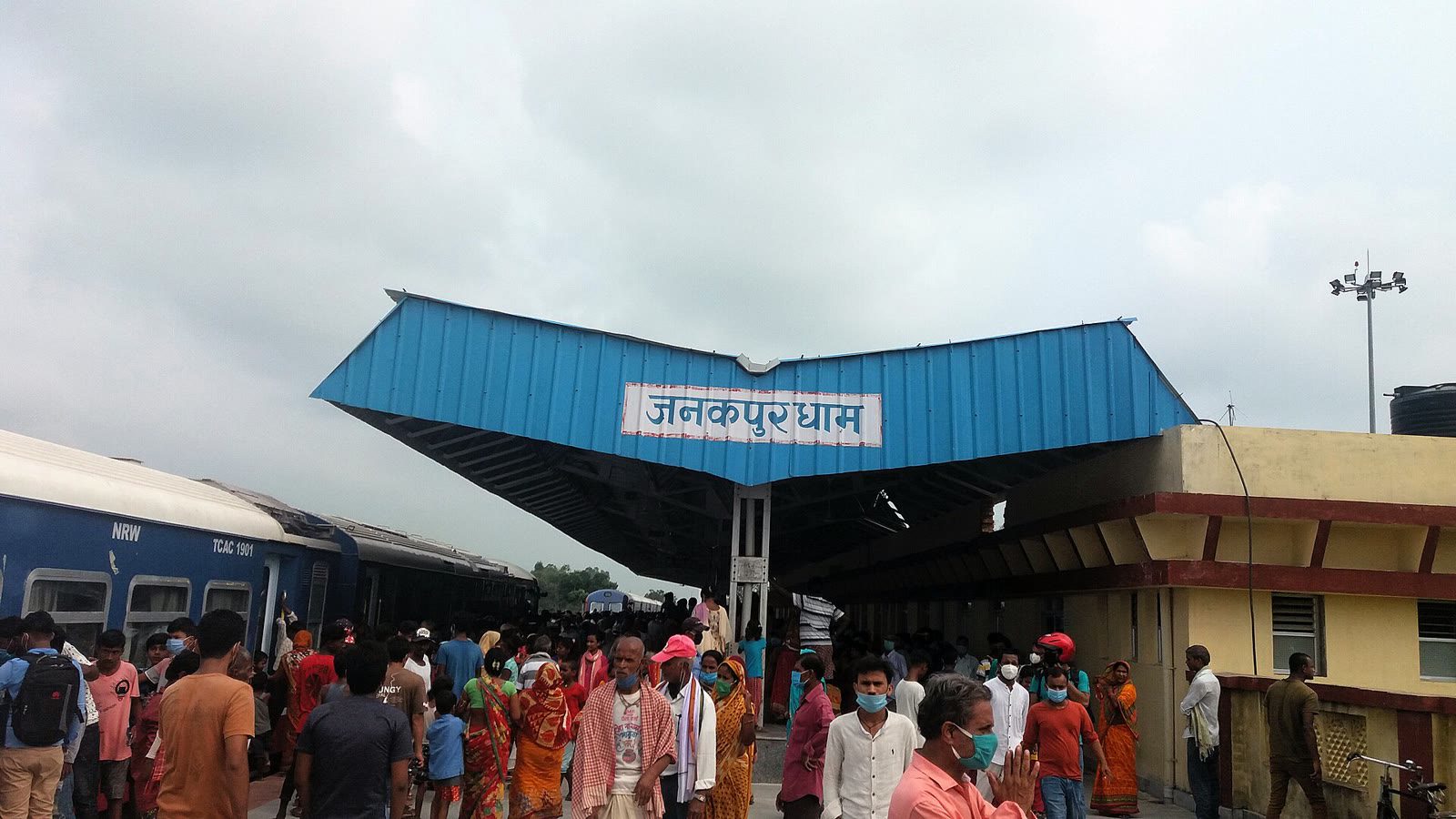
Indian Railways has approved a weekly train service linking Nepal’s Janakpur Dham with Ayodhya in Uttar Pradesh, the Ministry of Railways said on Saturday, 14 November. The Janakpur-Ayodhya train will cover about 604 km and join two towns the Ramayana ties to Sita and Ram.
Devotees regard Janakpur Dham, in Nepal’s Madhesh Province, as the town where Sita was born. Ayodhya is held to be Ram’s birthplace. The ministry said in its statement that the service would give passengers from both countries easier access to the two religious and cultural centres.
Ten halts across Bihar and Uttar Pradesh
The train’s terminals are Janakpur Dham and Ayodhya Cantt. On the way it will make commercial stops at Jaynagar, Madhubani, Shisho, Sitamarhi, Raxaul, Narkatiaganj, Gorakhpur, Basti, Mankapur and Ayodhya Dham, passing through Bihar before it enters Uttar Pradesh.
It will leave Janakpur Dham every Saturday. The return run will start from Ayodhya Cantt every Monday.
Beyond pilgrims and tourists, the ministry said the route would serve people who cross the border for study, business and family visits. Border communities in Bihar and Nepal would get one more passenger option, it said, and hotels, tour operators, local traders and artisans in towns along the line could expect more custom.
Built on a line reopened in 2022
The Nepal end of the journey uses the cross-border broad-gauge railway that starts at Jaynagar, less than 3 km from the boundary. Prime Minister Narendra Modi and Sher Bahadur Deuba, then Nepal’s Prime Minister, opened its Jaynagar-Kurtha section on 2 April 2022, and regular passenger trains began the next day, 3 April 2022. The line itself dates to 1937, when it was laid as a narrow-gauge freight railway.
The ministry’s announcement did not give a start date, a train number, timings or fares for the new service.
File photo. Photo: Tulsi Bhagat / CC BY-SA 4.0 via Wikimedia Commons
More Stories
 NationalOla fined Rs 10 lakh over pre-ride tips; drivers accepted tipped requests less often
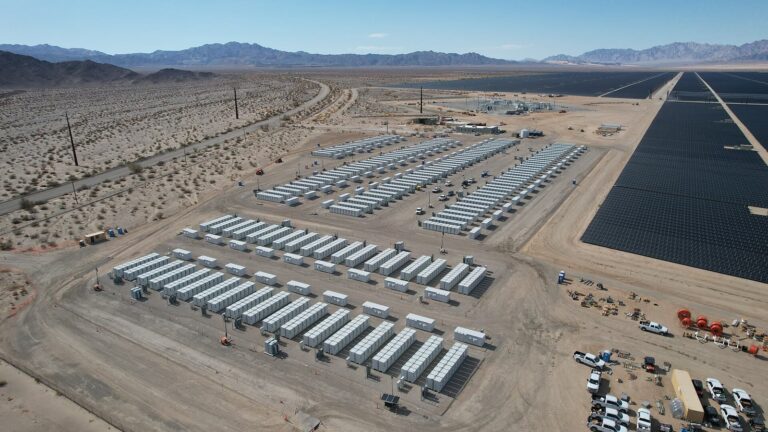 NationalAmara Raja, Megha Engineering among 22 bidders in Centre’s 10 GWh grid battery tender
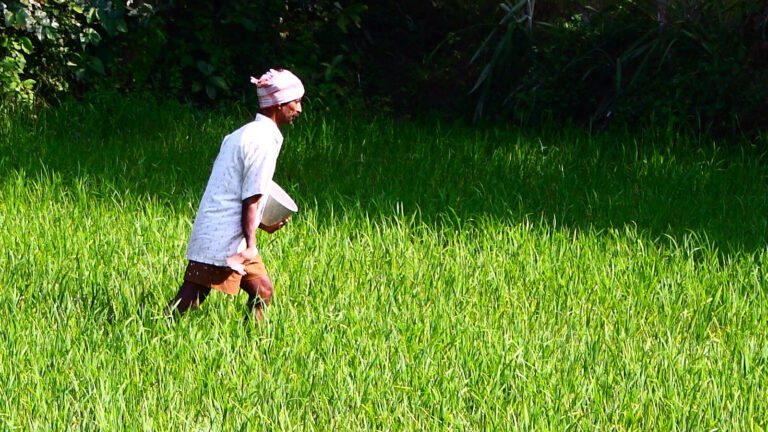 NationalCabinet clears Rs 62,370 crore fertiliser subsidy for rabi, 64% more than a year ago
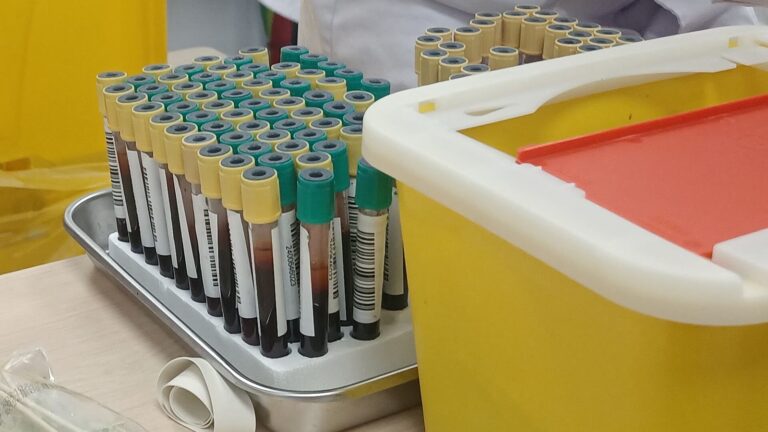 NationalProvisional registration proposed for allied and healthcare professionals: bridge courses, qualifying exam in draft rules; comments till 4 December
 NationalNew AIIMS cross 6 crore OPD consultations since 2021-22; AIIMS Mangalagiri’s own count tops 35 lakh
 NationalVayo SAATHI: anyone aged 18 or above can now register to volunteer for senior citizens; how to sign up