
Original bilingual journalism · English & తెలుగు

Provisional registration proposed for allied and healthcare professionals: bridge courses, qualifying exam in draft rules; comments till 4 December
The National Commission for Allied and Healthcare Professions has published draft rules for provisional registration, with bridge courses and a qualifying examination as the path to regular registration. Comments are due by 4 December 2026.

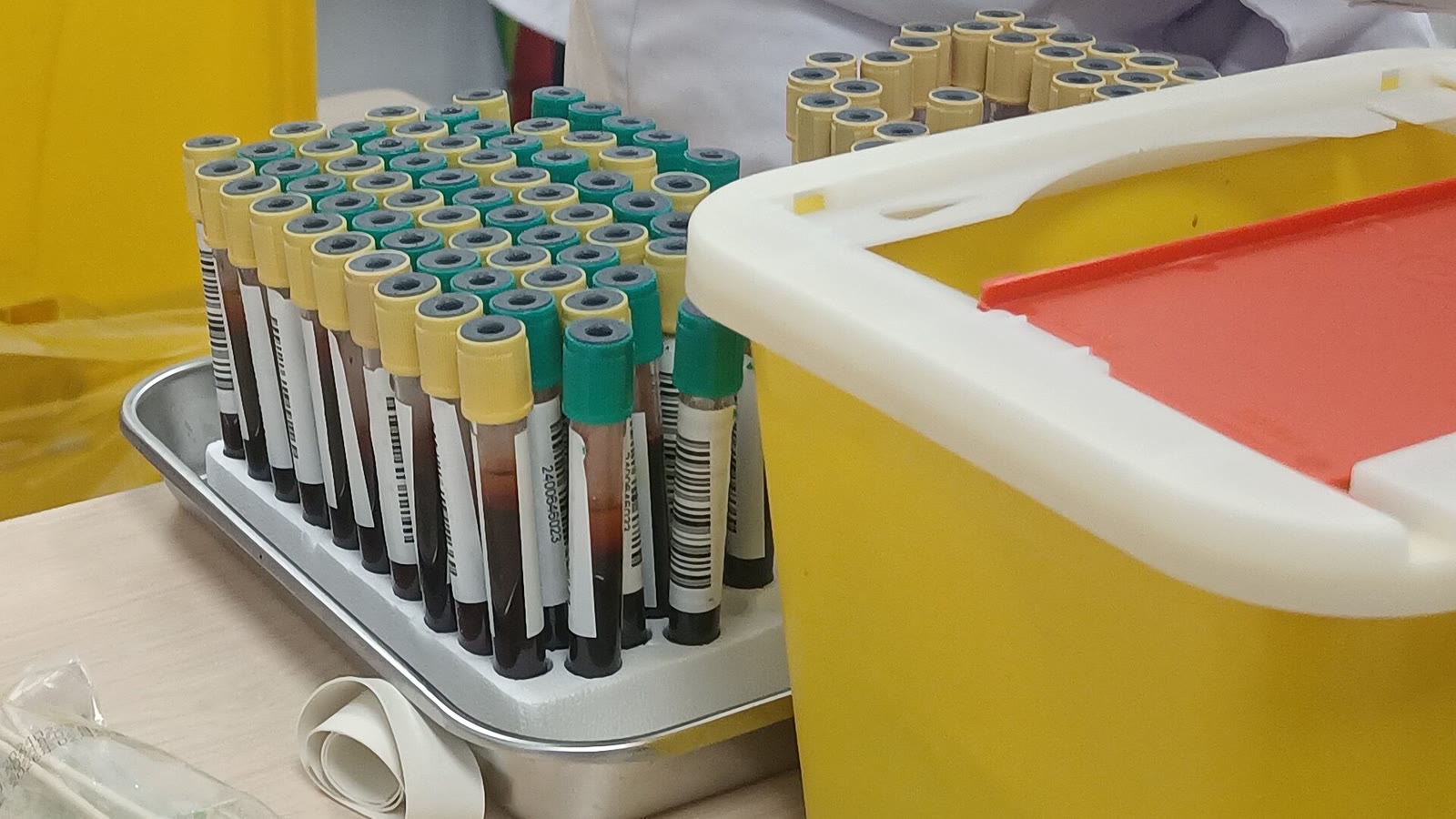
Medical laboratory technologists, radiographers, operation theatre technologists and other allied and healthcare professionals who qualify would get a two-stage route to registration under draft rules now open for comment: provisional registration first, a regular one after a bridge course and a qualifying examination. The National Commission for Allied and Healthcare Professions (NCAHP) will take comments until Friday, 4 December 2026, the Union Health Ministry said on Wednesday, 11 November.
The draft, titled the Provisional Registration of Allied and Healthcare Professionals Regulations, 2026, sets eligibility conditions and a check of credentials. It also covers the validity period, extensions, cancellation and appeals, the ministry said. Applications, verification and certificates would run on one online system, and each person registered would get a Provisional Registration Unique Identification Number, or PR UID.
To move on to a regular entry in the Central or a State Register, a holder would have to finish the prescribed bridge course and supervised clinical training and clear a minimum qualifying examination, wherever these apply. The ministry’s note does not give the fee, the validity period or the length of the bridge courses.
Who the draft is for
Under registration regulations gazetted on 15 September 2026, nobody may work in a recognised allied or healthcare profession without being registered. A regular registration needs a recognised primary qualification and runs for five years. On 7 October the commission said it was working on provisional registration for people already in practice without that qualification, with a bridge course as their way to become eligible. Section 38 of the NCAHP Act, 2021 says anyone offering services in a recognised category on or before its commencement shall be allowed provisional registration, within a period and manner set by regulations.
The law’s schedule recognises 10 categories, among them medical laboratory and life sciences, physiotherapy, nutrition science, ophthalmic sciences, radiology and imaging, surgical and anaesthesia technology, and health information management. Dialysis therapy technologists, optometrists and dieticians are on its list.
Andhra Pradesh and Telangana
The draft covers practitioners in Andhra Pradesh and Telangana as it does elsewhere; the ministry said the online system is meant to make registration uniform in every state and Union Territory. In Andhra Pradesh, the Director of Medical Education invited applications in October 2025 for 19 member posts on the State Allied and Healthcare Professions Council, spread over the 10 categories. Where a state has no functional council, the September regulations let professionals sign up with the Central Register directly.
The draft is on the commission’s website, ncahp.abdm.gov.in. Professionals, associations, teaching and healthcare institutions, State Councils, experts and members of the public can email comments and objections to ncahp.regulations@ncahp.mohfw.gov.in by 4 December. The commission will consider them before finalising the regulations.
Representative image. Photo: Fumikas Sagisavas / CC0 via Wikimedia Commons
More Stories
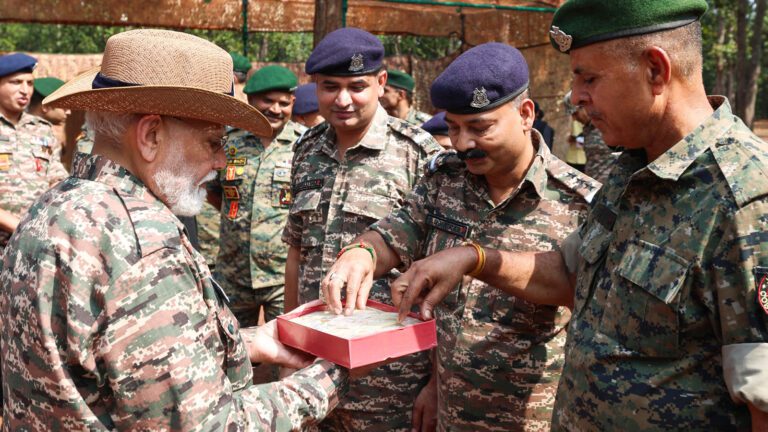 NationalModi’s Diwali in Bastar: first with every district free of Naxalism, PM tells jawans; Telangana and Andhra Pradesh lists cleared by 2025
 NationalE20 petrol: Centre says all 893 samples from 27 states and UTs passed, disputes Karnataka’s finding of 26-31% ethanol
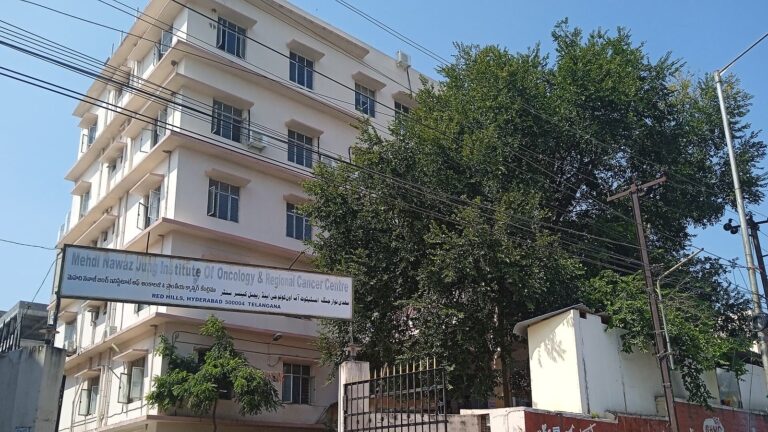 NationalAnti-cancer drug prices fall from Monday, 9 November: 1,031 formulations cheaper, some by 96%
 NationalSIR draft rolls: Election Commission reopens enumeration forms for voters left out in Delhi and six states; Telangana has till 21 November
 NationalBarrier-free tolling: NHAI fixes plaza design for four-lane highways; Hyderabad-Vijayawada and Warangal plazas on the bid list
 NationalRice stock limits: Centre clears caps for Andhra Pradesh, Telangana and three more southern states