Original bilingual journalism · English & తెలుగు
Antibiotic resistance: 1 in 3 tested infections in India’s WHO region defy the drugs
WHO's World AMR Awareness Week runs from 18 to 24 November. Its own data show resistance is highest in the South-East Asia region, which includes India.

Antibiotic resistance is no longer a distant laboratory worry for families in India. In 2023, one in three bacterial infections reported from the World Health Organization’s South-East Asia region, which includes India, did not respond to antibiotic treatment, WHO says. Worldwide the figure was one in six. Those numbers frame World AMR Awareness Week, which runs from Wednesday, 18 November to Tuesday, 24 November 2026.
This year’s theme is “One Health, one action: Prevent AMR now”, and the idea behind it is plain: the same classes of medicine are used on people, farm animals and crops, and drug-resistant germs move between all of them and the environment. WHO wants governments, doctors, vets, farmers and researchers to act on it together.
What the numbers say
Bacterial antimicrobial resistance (AMR) was linked to over 4.7 million (47 lakh) deaths worldwide in 2021, according to WHO’s fact sheet. Between 2018 and 2023, resistance climbed in more than 40% of the germ-and-drug pairs WHO tracks, typically by 5-15% a year.
Two bacteria behind severe bloodstream infections show the trend most sharply. The usual first-choice drugs for them, third-generation cephalosporins, now fail against upwards of 40% of E. coli samples and above 55% of Klebsiella pneumoniae worldwide. When that fails, doctors move to costlier last-resort drugs and patients stay longer in hospital. WHO puts the bill for treating resistant bacterial infections alone at US$412 billion a year up to 2035, with a further US$443 billion a year in lost productivity.
What it means for you
WHO counts misuse and overuse as a leading cause: using antibiotics without need, or using the wrong drug for the infection. Its own definition separates antibiotics from antivirals, antifungals and antiparasitics, because each class targets a different kind of germ.
The choice of drug matters as well. In 2022, only 53% of antibiotics used by people worldwide came from WHO’s Access group, the first-choice medicines for common infections. About 45% came from the Watch group, which is likelier to breed resistance. The global goal is for the Access share to reach at least 70% by 2030.
Prevention counts as much as treatment. WHO lists gaps in safe water, toilets and hygiene, weak infection control in homes, hospitals and farms, and limited access to vaccines among the factors that let resistant germs spread.
The updated Global Action Plan on AMR for 2026-2036 is meant to help countries reach a goal the UN General Assembly set in 2024: a 10% fall in deaths linked to bacterial AMR by 2030. Countries report their progress to WHO every year through a self-assessment survey, and the awareness week closes on Tuesday, 24 November.
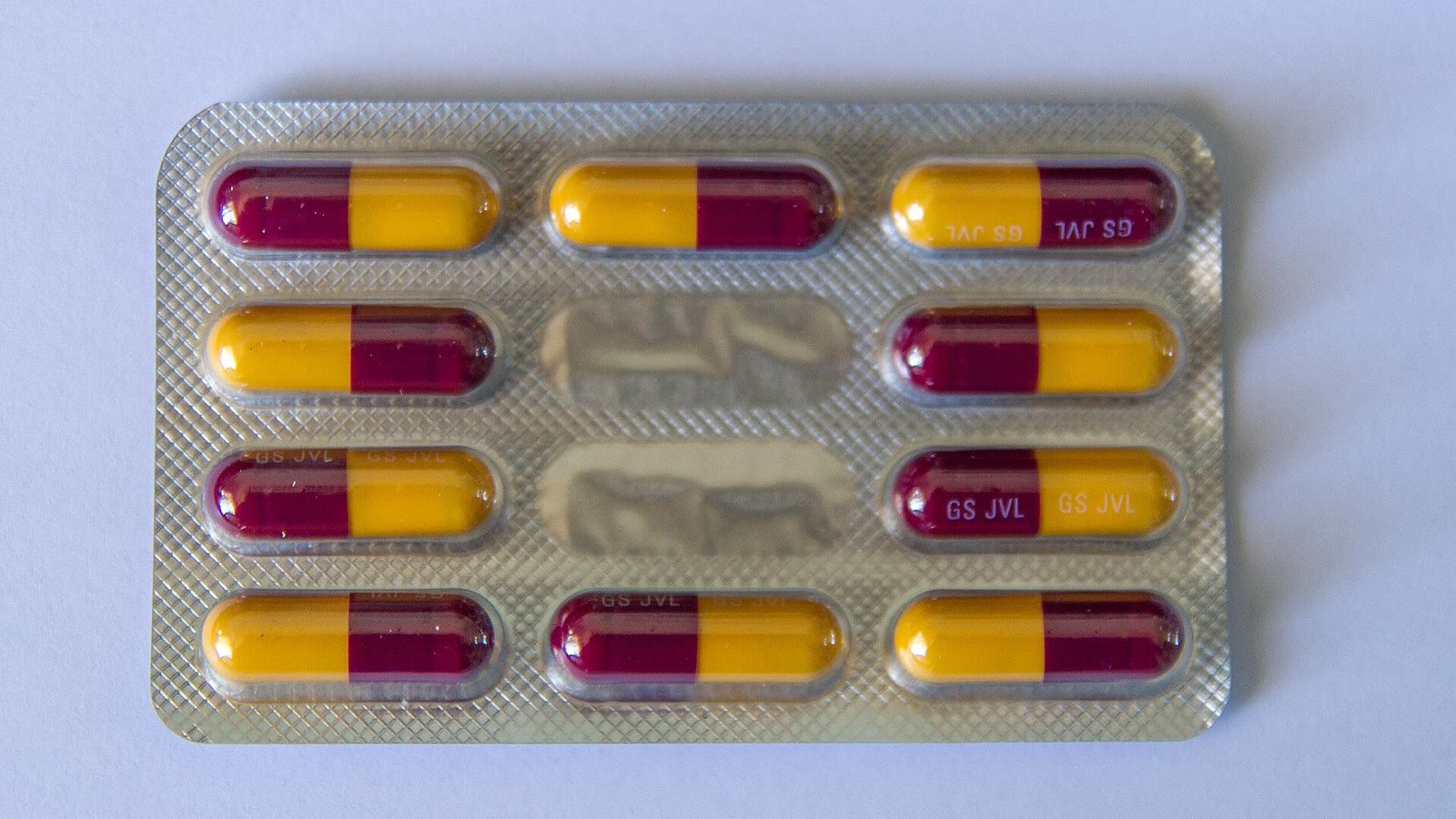
Representative image. Photo: Maksym Kozlenko / CC BY-SA 4.0 via Wikimedia Commons
More Stories
 LifestyleWHO Global TB Report 2026: India cuts TB deaths 38% but has about a quarter of all cases
 LifestyleNFHS-6 child nutrition: stunting falls in AP and Telangana, but few toddlers get an adequate diet
 LifestyleWorld Pneumonia Day: count a child’s breaths for one minute, and know the signs that need a hospital
 LifestyleBharat Parv 2026 at Ekta Nagar runs till 15 November, with Kuchipudi and food from 23 states
 LifestyleUK’s first cold-health alert of winter covers West Midlands and North West from 12 to 14 November
 LifestyleWorld Diabetes Day 2026: more than four in ten people with diabetes are undiagnosed, WHO says; India has 8.98 crore adults with the disease