
Original bilingual journalism · English & తెలుగు

NFHS-6 child nutrition: stunting falls in AP and Telangana, but few toddlers get an adequate diet
Ahead of Children's Day, the sixth National Family Health Survey shows fewer stunted and wasted children in both Telugu states. Only one in five toddlers in Andhra Pradesh, and fewer in Telangana, eats an adequate diet.

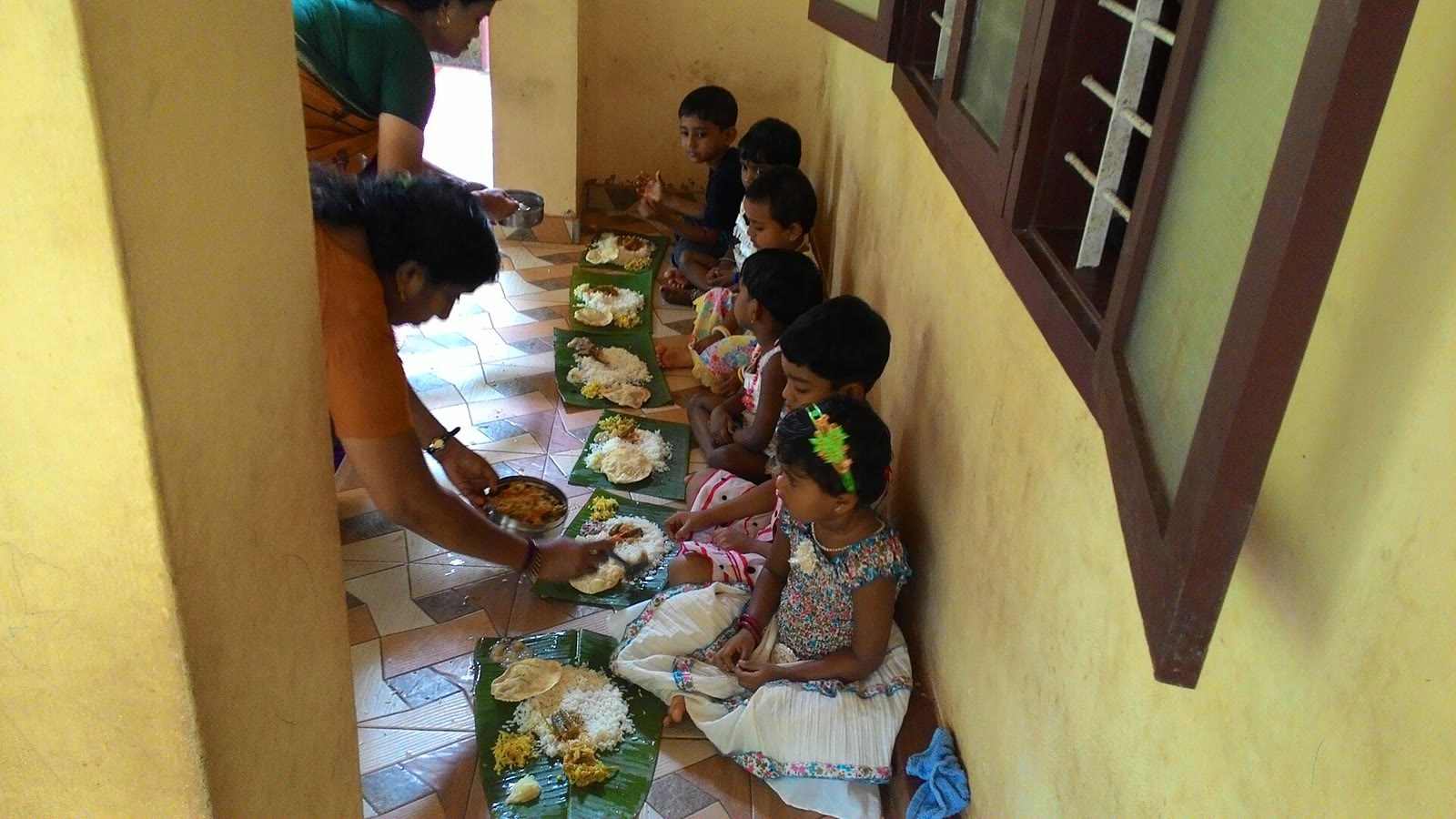
A quarter of Andhra Pradesh’s children under five are now too short for their age, down from close to a third five years earlier. The NFHS-6 child nutrition figures from the sixth National Family Health Survey show a similar fall in Telangana, and they arrive as the country marks Children’s Day on Saturday, 14 November.
Stunting in Andhra Pradesh dropped from 31.2 per cent in NFHS-5 (2019-21) to 24.6 per cent. Telangana came down from 33.1 to 27.0 per cent. Both states are now below the all-India rate of 29.3 per cent. The International Institute for Population Sciences (IIPS), Mumbai, runs the survey for the Union Health Ministry, covering 11,503 households in Andhra Pradesh between June and December 2023, and 28,312 in Telangana between March and December 2024.
The other two yardsticks moved the same way. Wasting, or low weight for height, fell from 16.1 to 12.3 per cent in Andhra Pradesh and from 21.7 to 16.9 per cent in Telangana. Underweight children now stand at 23.2 per cent in Andhra Pradesh and 27.8 per cent in Telangana. Village children still lag: rural stunting is 25.8 per cent against 21.7 in towns in Andhra Pradesh, and 28.6 against 22.3 in Telangana.
The gap is on the plate
Diet is the weakest number. Only 19.2 per cent of Andhra Pradesh children aged six to 23 months received an adequate diet, about one in five. In Telangana the figure is 15.3 per cent. Both states stood at 9.0 per cent in the previous round. For a breastfed child, the survey counts a diet as adequate when it covers four or more food groups and enough meals: two or more servings of solid or mashed food daily between six and eight months, and three or more from nine months.
More mothers now start breastfeeding within an hour of birth: 67.2 per cent in Andhra Pradesh, up from 52.0, and 57.1 per cent in Telangana, up from 37.1. Exclusive breastfeeding in the first six months rose slightly in Andhra Pradesh to 69.5 per cent but slipped in Telangana from 68.2 to 64.8 per cent, and to 57.1 per cent in its towns.
What the official guidance says
WHO and UNICEF advise that breastfeeding begin within the first hour, that babies get only breast milk for six months, and that safe solid foods start at six months while breastfeeding continues to two years or beyond. Full vaccination of children aged 12 to 23 months reached 87.7 per cent in Andhra Pradesh, from 73.2, and 80.9 per cent in Telangana, from 79.1.
IIPS has labelled all NFHS-6 fact sheet results provisional.
Representative image. Children eat a midday meal at an anganwadi centre. Photo: Jaisuvyas / CC BY-SA 4.0 via Wikimedia Commons
More Stories
 DevotionalTirumala Pushpayagam on 16 November: Kalyanotsavam, Unjal Seva and Arjita Brahmotsavam cancelled; Pedda Sesha Vahanam on Nagula Chavithi
 LifestyleAQI after Deepavali: Visakhapatnam 264, Rajamahendravaram 220 in the ‘poor’ band; all 16 AP and Telangana cities now worse than ‘satisfactory’
 LifestyleStem cell therapy for autism: national committee seeks views on who should join ICMR trial at AIIMS Delhi and Amrita Kochi
 LifestyleWHO drafts specifications for wearable devices that track how much a population moves and sits; feedback open till 6 December
 LifestyleFSSAI festive drive: 3,280 tonnes of paneer, ghee, sweets and other food seized; 1,133 licences suspended
 LifestyleDeepavali air quality: Hyderabad’s AQI rose from 82 to 116 after the 2025 festival, Visakhapatnam’s from 44 to 113