
Original bilingual journalism · English & తెలుగు

Three in five women aged 30-49 never screened for cervical cancer, WHO says
On World Cervical Cancer Elimination Day, WHO estimates that three out of five women in their 30s and 40s have never had the test. In India, girls aged 14 can get a free HPV vaccine dose at government health facilities.

Three of every five women between 30 and 49 have never had a cervical cancer test, the World Health Organization said on Tuesday, 17 November, as it marked World Cervical Cancer Elimination Day with a fresh set of estimates.
The gap is starkest for HPV testing, the kind of high-performance test WHO’s targets call for. In low- and middle-income countries, just 2% of women had an HPV test in the previous five years. In high-income countries the figure was 32%. The agency asked governments to take screening to women it has never reached and to treat positive cases without delay.
WHO’s fact sheet traces the disease to a long-lasting human papillomavirus (HPV) infection. Abnormal cells usually take 15 to 20 years to turn cancerous, time in which screening and treatment can stop them.
Where India stands
In India it ranks second among cancers in women. A Press Information Bureau factsheet issued in February 2026, citing GLOBOCAN 2022 data, put the yearly toll at more than 120,000 new cases and close to 80,000 deaths, and said the country carries 25% of cervical cancer deaths worldwide.
Since 28 February 2026, when Prime Minister Narendra Modi opened the national programme at Ajmer, a single dose of HPV vaccine has been free at government health facilities for girls aged 14. The factsheet counted about 1.15 crore eligible girls across the country, Andhra Pradesh and Telangana included. After a 90-day daily drive, the dose was to move to routine immunisation days.
What families and women can do
Under the programme rules, parents can register a 14-year-old on the U-WIN portal, ask a health worker to do it, or simply walk in. Sessions generally run from 9 am to 2 pm. A girl should not come on an empty stomach, and she is kept under watch for 30 minutes after the injection. Girls who are pregnant, allergic to yeast or already given any HPV vaccine are not vaccinated.
For women, WHO advises a high-performance screening test every 5 to 10 years from age 30, and every 3 to 5 years from age 25 for women with HIV. Precancer rarely causes symptoms, the agency notes, so screening still matters after vaccination. Its fact sheet lists unusual bleeding between periods, after sex or after menopause, and increased or foul-smelling discharge among reasons to see a health-care professional.
WHO’s 2030 targets, known as 90-70-90, are an HPV vaccine for 90% of girls by 15, screening with a high-performance test for 70% of women by 35 and again by 45, and treatment for 90% of women with precancer or invasive cancer.
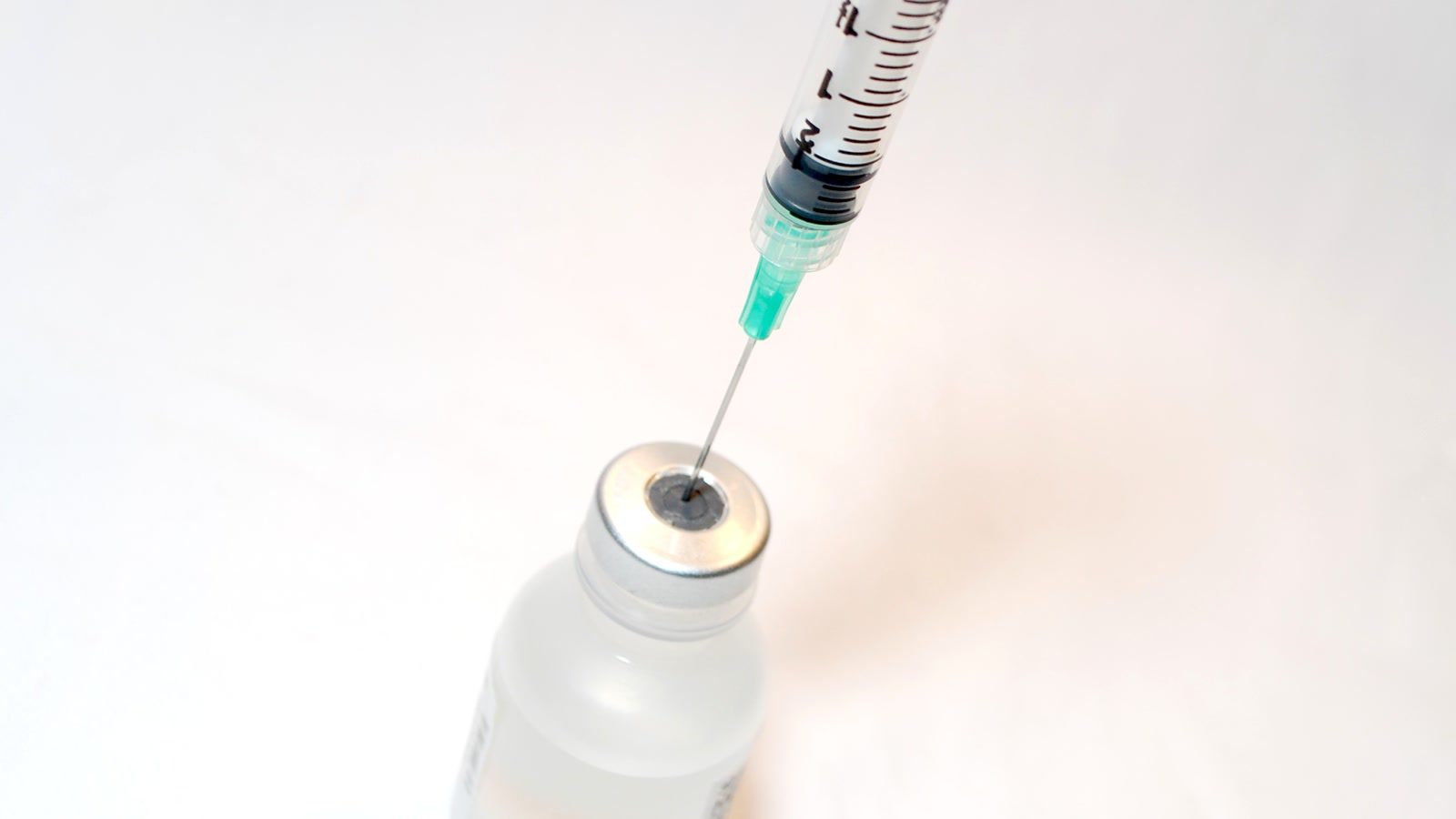
Representative image. Photo: NIAID / CC BY 2.0 via Wikimedia Commons
More Stories
 LifestyleSHATAYU portal lists 30,151 trained caregivers for the elderly; search and callback free
 LifestyleWorld Diabetes Day: high blood sugar climbs in AP and Telangana, NFHS-6 shows
 LifestyleWHO Global TB Report 2026: India cuts TB deaths 38% but has about a quarter of all cases
 LifestyleNFHS-6 child nutrition: stunting falls in AP and Telangana, but few toddlers get an adequate diet
 LifestyleWorld Pneumonia Day: count a child’s breaths for one minute, and know the signs that need a hospital
 LifestyleBharat Parv 2026 at Ekta Nagar runs till 15 November, with Kuchipudi and food from 23 states