
Original bilingual journalism · English & తెలుగు
Kalka-Shimla toy train to get hydrogen engine: Railways picks Barog for fuel plant on UNESCO heritage line
The Ministry of Railways has surveyed the 96-km heritage route and chosen Barog for a hydrogen fuel plant. A trial run waits on technical and administrative clearances; no date has been set.

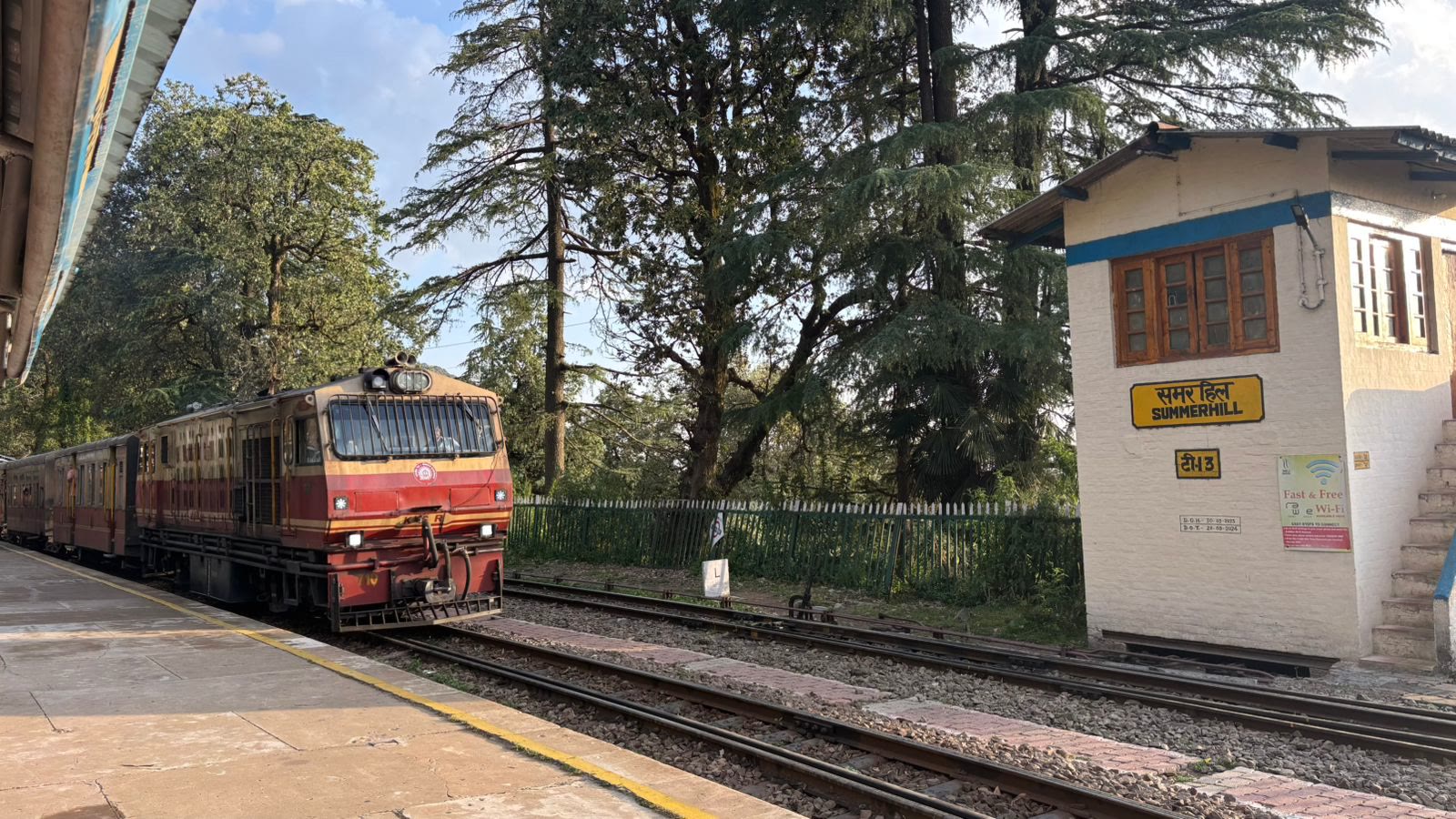
The Kalka-Shimla toy train, which has climbed the Shivalik hills on a narrow-gauge track for more than 120 years, is being lined up for a hydrogen engine. The Ministry of Railways has finished surveying the route and chosen Barog railway station as the place to set up a plant that will supply hydrogen fuel. Northern Railway officials said on Wednesday, 4 November, that a trial run would follow once the remaining clearances are in place.
The project falls under the Centre’s Hydrogen for Heritage programme, announced in 2023 with a plan for 35 hydrogen trains, the Kalka-Shimla line among them. Himachal Pradesh Chief Minister Sukhvinder Singh Sukhu wrote to Union Railway Minister Ashwini Vaishnaw in 2024 asking for the toy train to be considered. A hydrogen train runs on fuel cells that turn the gas into electricity, and the main thing left behind is water, so the switch would take diesel exhaust off a line that winds through forested hills.
Trial run still waits on clearances
The project was written into the Railways’ 2024-25 plans, the officials said, but no date has been announced for the trial. The train still needs the ministry’s approval and a finding that the technology works on the route, they said, because steep gradients and the mountain terrain call for engineering built for this particular line. The Barog facility would supply fuel for the operation. Officials called it a significant step for India’s narrow-gauge lines, noting that comparable projects are in progress on broad-gauge routes.
For travellers, the 96-km journey from Kalka in Haryana to the Himachal capital is one of India’s best-known rail rides. Laid between 1898 and 1903, the route runs through 103 tunnels and crosses more than 900 bridges. UNESCO added it in July 2008 to its Mountain Railways of India World Heritage listing, alongside the Darjeeling Himalayan Railway and the Nilgiri Mountain Railway.
The next decision rests with the Railway Ministry, which has to clear the trial before a hydrogen engine runs on the line.
File photo. A train at Summer Hill station on the Kalka-Shimla Railway. Photo: Rajani Gairshail / CC BY-SA 4.0 via Wikimedia Commons
More Stories
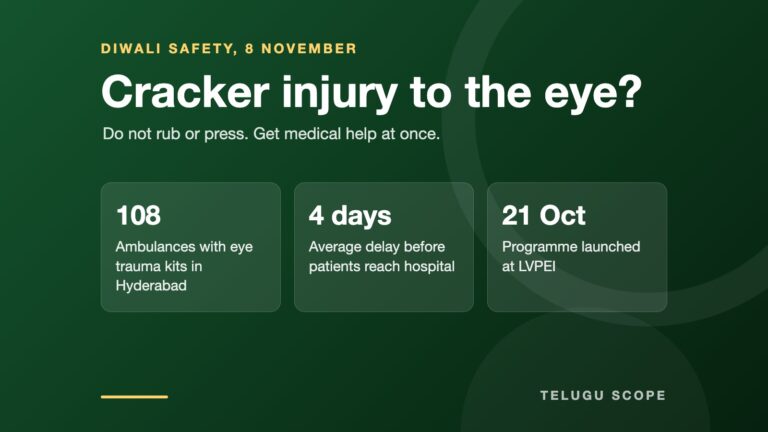 LifestyleCracker injury to the eye this Diwali: what to do, and how Hyderabad’s 108 ambulances are now equipped
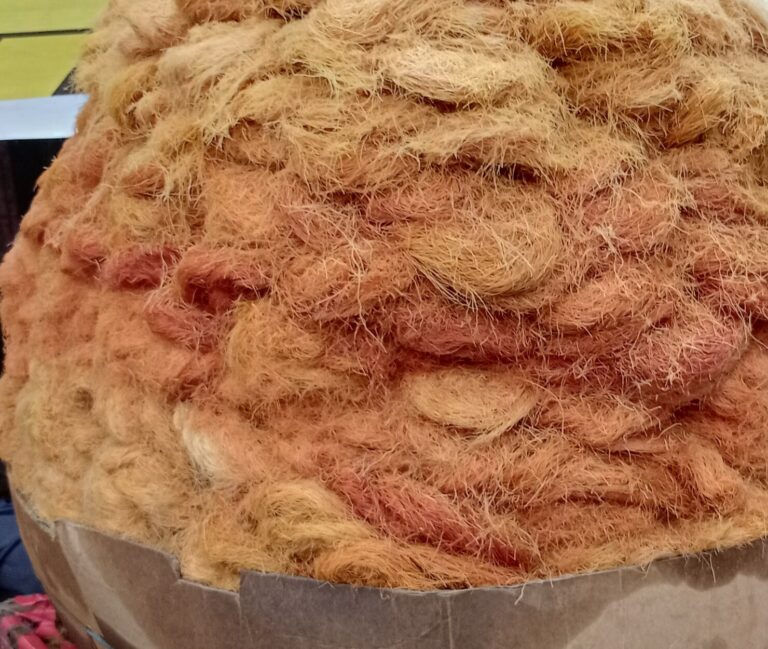 LifestyleBuying pheni for Dasara? What Telangana’s hygiene raids on pheni units found
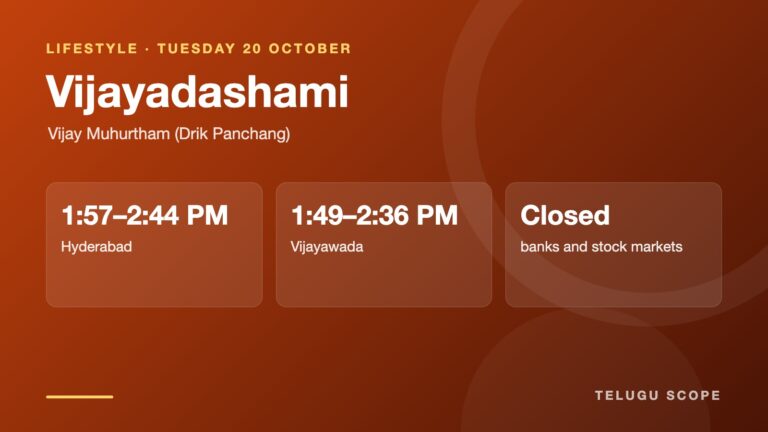 LifestyleVijayadashami: Vijay Muhurtham timings and the bank and stock market holiday at a glance
 LifestyleRain may dampen Dasara in coastal Andhra as IMD forecasts heavy showers till October 21
 LifestyleDasara exodus: 120 rail specials, 7,000 extra RTC buses as Hyderabad heads home
 BusinessLithium and nickel processing: Centre to pay 30% of the cost of four plants under a Rs 2,814 crore scheme