
Original bilingual journalism · English & తెలుగు
Potassium-enriched salt could save about 4 lakh lives a year in India, global study estimates
Swapping all the salt Indians eat for a potassium-enriched substitute would avoid 399,884 deaths a year, a George Institute model published in Nature Health estimates. Kidney patients and people on certain medicines should talk to a doctor before changing.

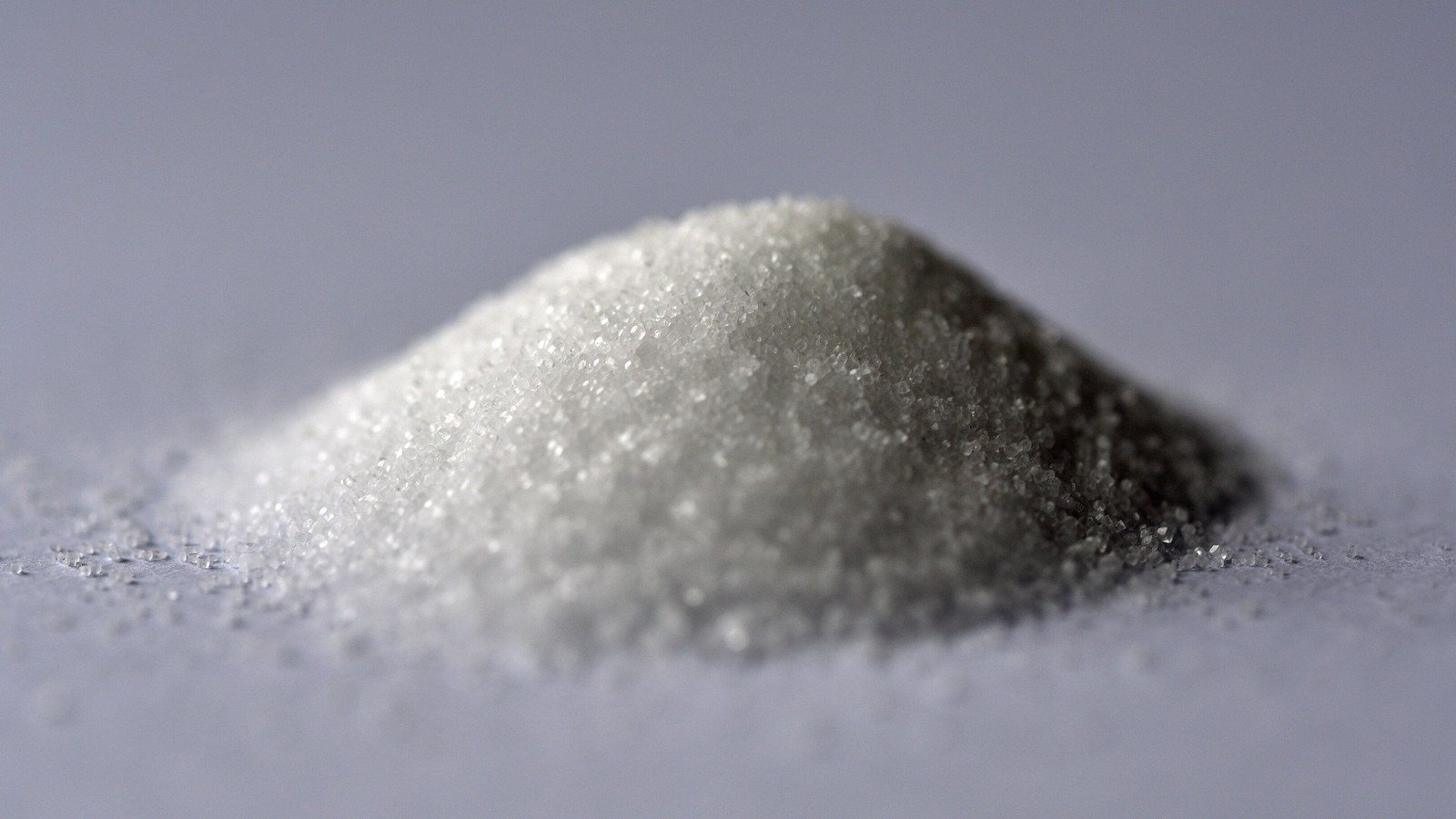
Cooking with potassium-enriched salt in place of the ordinary kind would save close to four lakh lives a year in India, according to a global modelling study from The George Institute for Global Health. The paper, published in the journal Nature Health on Wednesday, 4 November, puts India’s annual gain at 399,884 deaths avoided, along with over 15 lakh fresh diagnoses of heart and chronic kidney disease, if all salt were swapped.
The substitute, also sold as low-sodium salt, takes out part of the sodium chloride and puts potassium chloride in its place. In the pot and on the plate it behaves much like ordinary salt. Bruce Neal, a senior professorial fellow at the institute, said a diet heavy in sodium and short on potassium is a proven cause of raised blood pressure, and the switch corrects both at once. Raised blood pressure, in turn, sets up kidney damage, strokes and heart attacks.
What the 193-country model found
If all 193 countries changed the salt used at home as well as in packaged and restaurant food, the model shows 2.96 million deaths a year averted and 10.17 million people spared heart or kidney illness. Changing only household cooking salt would still save 1.85 million lives and head off 6.19 million illnesses. India comes second on the country list, after China at 1.08 million deaths.
The researchers said each country needs its own route. Across Europe and North America, packaged and restaurant food supplies over 70 per cent of the salt people eat, so food makers would have to come on board. In India, where most salt goes into home cooking, a kitchen-level switch could do much of the work. The numbers are model projections, not clinical trial results.
Who should check with a doctor first
Not everyone should switch. Patients with late-stage kidney disease, or on medicines that push potassium up, risk hyperkalaemia, a dangerous excess of potassium in the bloodstream. The World Health Organization, which backed lower-sodium salt for most adults in January 2025, kept pregnant women, children and people whose bodies cannot clear potassium out of that advice. Vivek Jha, a kidney specialist at The George Institute India, said these risks can be handled by teaching patients, labelling packs clearly and keeping them under a doctor’s watch.
India’s ICMR-INDIAB study estimated in 2023 that 31.5 crore people, or 35.5 per cent of the population, live with high blood pressure. The WHO advises adults to eat less than 5 grams of salt a day. Low-sodium salt is sold in India but costs more than the regular kind, and any wider switch would need it to stay iodised. The researchers said potassium chloride output would also have to rise.
Representative image. Photo: Conall / CC BY 2.0 via Wikimedia Commons
More Stories
 LifestyleCracker injury to the eye this Diwali: what to do, and how Hyderabad’s 108 ambulances are now equipped
 LifestyleBuying pheni for Dasara? What Telangana’s hygiene raids on pheni units found
 LifestyleVijayadashami: Vijay Muhurtham timings and the bank and stock market holiday at a glance
 LifestyleRain may dampen Dasara in coastal Andhra as IMD forecasts heavy showers till October 21
 LifestyleDasara exodus: 120 rail specials, 7,000 extra RTC buses as Hyderabad heads home
 BusinessLithium and nickel processing: Centre to pay 30% of the cost of four plants under a Rs 2,814 crore scheme