
Original bilingual journalism · English & తెలుగు
Lithium and nickel processing: Centre to pay 30% of the cost of four plants under a Rs 2,814 crore scheme
The Cabinet-approved scheme caps support at Rs 500 crore per lithium plant and Rs 900 crore per nickel plant, picks the lowest subsidy bids and is expected to draw about Rs 10,000 crore of investment.

The Centre will pay 30% of the capital cost of four new plants that turn lithium and nickel ore into battery-grade material, under a Rs 2,814 crore lithium and nickel processing scheme that the Union Cabinet approved on Wednesday, 4 November. The scheme runs from 2026-27 to 2030-31, and the government expects it to pull in about Rs 10,000 crore of investment, it said in a backgrounder on Thursday, 5 November.
Two of the plants will handle lithium and two will handle nickel. Each lithium unit must be able to process at least 30,000 tonnes and each nickel unit at least 50,000 tonnes. The lithium plants will work on ores and concentrates, not brine, and turn out battery-grade products. The nickel plants will make Class-1 nickel or battery-grade nickel sulphate and recover cobalt as a by-product.
The lowest subsidy bid wins
Support is capped at Rs 500 crore for each lithium project and Rs 900 crore for each nickel project; Rs 14 crore is kept for administration. Applicants will first be screened on technical grounds. Those who clear that round will bid, and in each mineral the two companies asking for the least support will be chosen.
The money comes in three instalments tied to spending and equity: a quarter of the bid amount after 25% of the committed capital is spent, half at 50%, and the rest when the plant is commissioned. A plant should be running three years after the award is issued and must be running by the fifth year; for any delay past year three, the unpaid subsidy shrinks.
Rare earths, not lithium, for Andhra Pradesh
India imports most of the refined, high-purity forms of these minerals that makers of electric vehicles, battery storage, electronics, defence equipment and speciality steel need, the government said. The four plants are meant to add 60,000 tonnes of lithium and 100,000 tonnes of nickel processing capacity by 2030.
The scheme does not say where the plants will be built. Mines Secretary Keshav Chandra has told an industry meeting of the Federation of Indian Mineral Industries (FIMI) that the Centre is developing four critical mineral processing parks, each built around one mineral: Maharashtra for lithium, Odisha for nickel, and Gujarat and Andhra Pradesh for rare earths. He said Andhra Pradesh had also been picked for a rare earth corridor.
Rajat Verma, founder and chief executive of LOHUM, said his company already processes both metals and welcomed the decision. A Governing Council headed by the Mines Secretary will pick the four companies and sanction their subsidy, on the advice of a techno-financial committee.
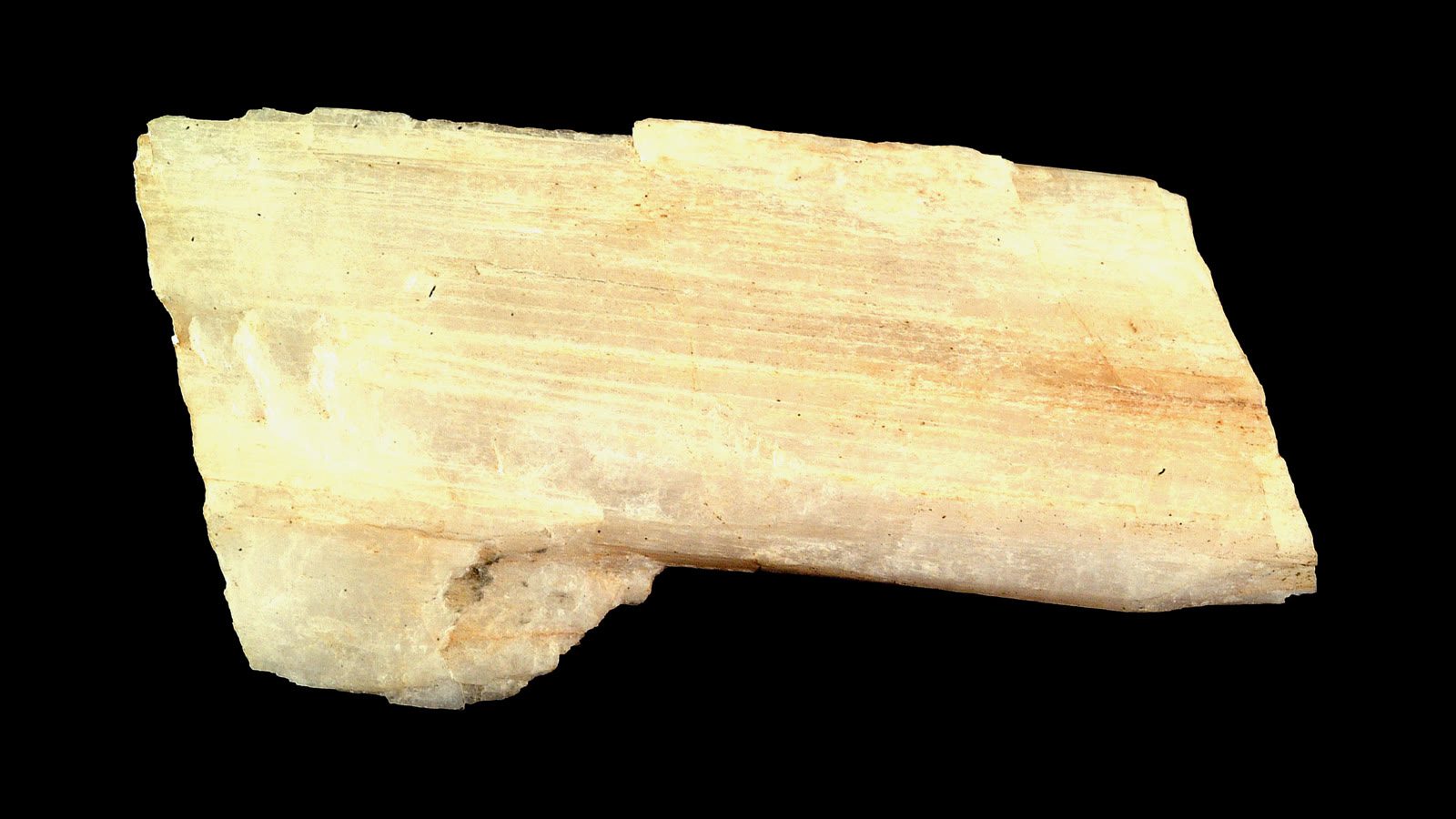
Representative image: spodumene, a lithium-bearing ore. Photo: Shannon Heinle / CC0 via Wikimedia Commons
More Stories
 BusinessSEBI allows digital KYC from abroad for NRIs and OCI cardholders from 3 December
 BusinessEssar Renewables to put Rs 4,500 crore into a 300 MW solar, wind and battery project in Andhra Pradesh after NHPC deal
 BusinessInvest Telangana summit: Future City venue must be ready by 20 November, Revanth Reddy tells officials
 BusinessNSE Q2 results: profit up 23% to Rs 2,578 crore in its first report as a listed company, coal exchange stake up for sale
 BusinessSBI profit climbs 14.3% to Rs 23,038 crore in the September quarter, with a Rs 7,288 crore stake-sale gain adding to earnings
 BusinessOctober GST collections rise 22.9% to Rs 2.31 lakh crore; Andhra Pradesh up 24%, Telangana 14%