
Original bilingual journalism · English & తెలుగు

World sea trade stalls in 2026 as shipping routes come under pressure, UN trade body says; growth seen returning at 3.2 per cent in 2027
UNCTAD's Review of Maritime Transport 2026 projects no growth in world seaborne trade volumes this year after 1.9 per cent growth in 2025, with four key sea passages under strain at once and poorer countries most exposed.

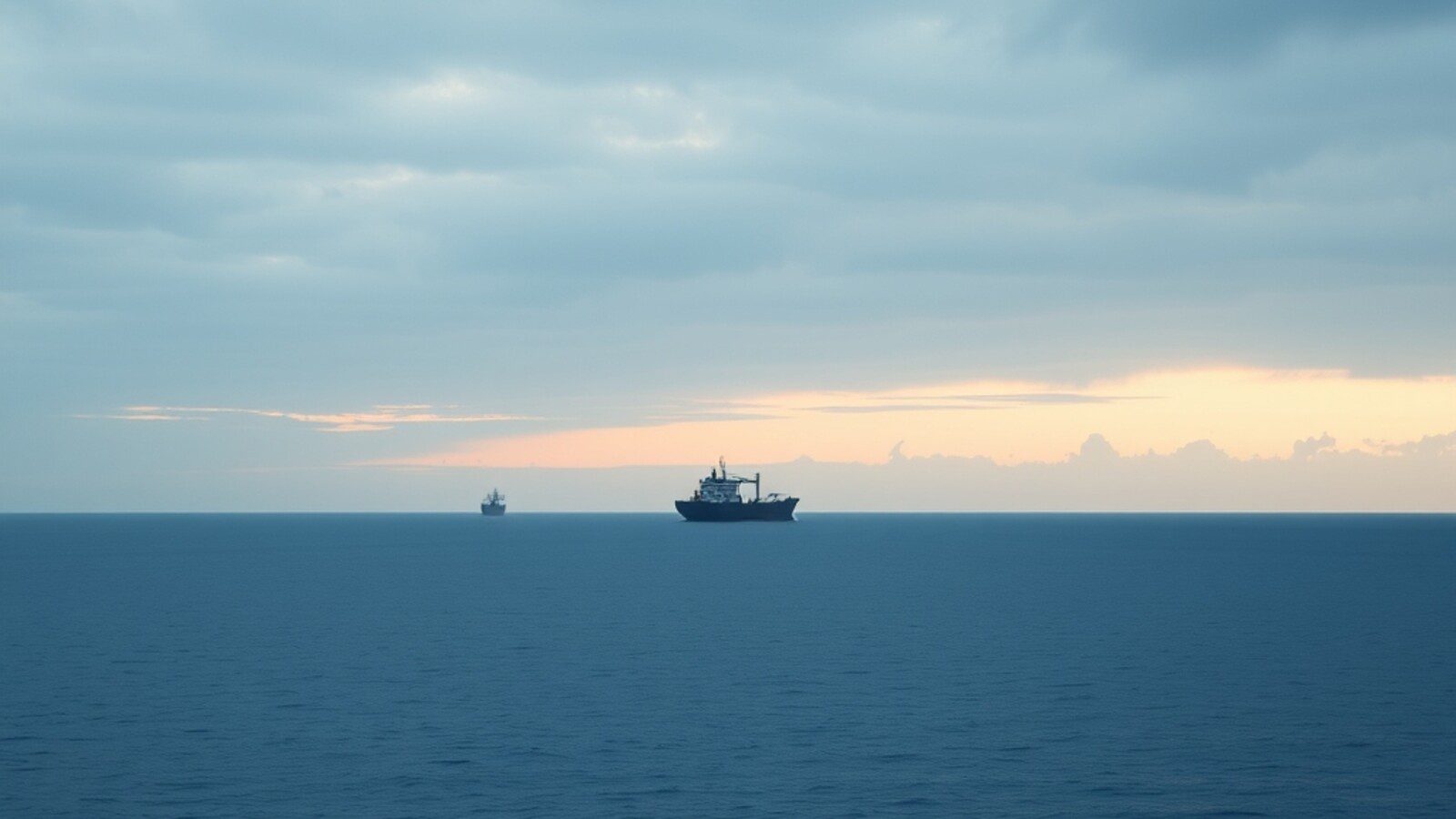
World trade by sea will not grow at all in 2026, according to the Review of Maritime Transport 2026, the annual shipping report of the UN trade and development body UNCTAD, presented on Thursday, 26 November. Seaborne trade volumes reached 12.3 billion tonnes in 2025, but growth slowed to 1.9 per cent that year, half the pace of 2024. UNCTAD projects a recovery of 3.2 per cent in 2027.
Who is hit hardest
More than 80 per cent of the world’s traded goods move by sea, so trouble on one route soon shows up in shop prices far away. UNCTAD says small island states and the least developed countries are the most exposed. If the fuel shock lasts into 2027, it estimates, consumer prices in the least developed countries could rise by nearly twice the global average. Pedro Manuel Moreno, UNCTAD’s Acting Secretary-General, said a disruption in one critical sea corridor can quickly turn into a cost-of-living crisis.
Four sea passages under strain at once
The report says four of the world’s most important chokepoints are under pressure together: the Strait of Hormuz, the Red Sea, the Black Sea and the Panama Canal. UNCTAD’s report points to attacks on shipping linked to the war involving Iran and the United States, which brought oil and gas flows through Hormuz close to a standstill, to security risks in the Red Sea that have lasted since late 2023, and to climate-related factors. Ships rerouted around southern Africa cover more distance: ship-miles are projected to rise 1.5 per cent in 2026 even as the volume of cargo stays flat.
A bright spot, and what UNCTAD recommends
Not all the news is bad. Container trade between developing regions grew 12.1 per cent last year and supplied close to a third of all container-trade growth. Over two decades the least developed countries, most of them in Africa, have improved their shipping connectivity three times faster than the rest of the world. To cope with the next disruption, the review urges countries to hold shared stocks of food staples and fuel, and to agree alternative trade routes and customs procedures in advance, so that essential goods keep moving.
What it means for India
India sends and receives most of its goods by sea, through ports such as Visakhapatnam on the Telugu coast, so longer routes and higher insurance and fuel costs eventually show up in freight rates for exporters and in prices of imported items such as crude oil and fertiliser. The UN News account of the report gives no India-specific figures.
Telugu Scope illustration.
More Stories
 InternationalIndia condemns Riyadh tower attack, two Indians hurt; Saudi coalition, Houthis trade threats over Red Sea ports
 InternationalHIV prevention is slipping as funding dries up: 446,000 fewer people across reporting countries used preventive pills in 2025, UNAIDS says
 InternationalTen years after Colombia’s peace accord, Guterres urges full implementation with five years left
 InternationalIndian Ocean Rim ministers gather in Delhi on Friday; EU and IORA hold first maritime security roundtable
 InternationalAbout 350,000 children in encircled Taiz, Yemen missed measles-rubella vaccination as vaccines cannot reach them, UN says
 InternationalFive women and girls were killed every hour by partners or relatives in 2025, UN agencies report as 16 Days of Activism begin