
Original bilingual journalism · English & తెలుగు

Famine risk eases in Somalia’s Baidoa, but 5.3 million people still face severe hunger, UN-backed analysis says
A UN-backed food security analysis says the risk of famine in Baidoa has eased, but displaced people there remain in an emergency phase and 5.3 million Somalis face severe food insecurity from October to December 2026.

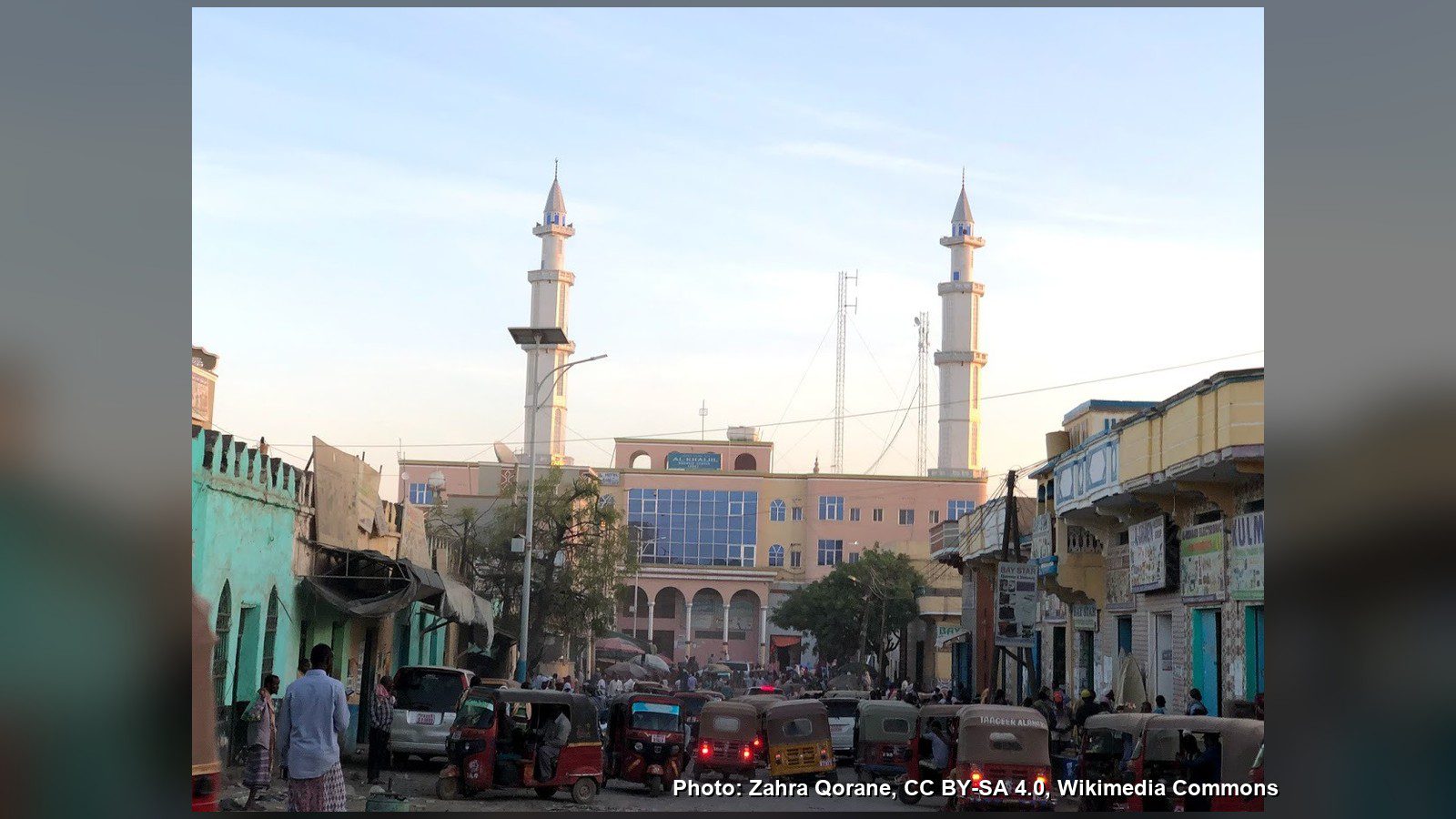
The risk of famine in Baidoa, in Somalia, has receded, but millions of people across the country still do not have enough to eat, a UN-backed food security analysis said on Wednesday, 25 November. It estimates that 5.3 million people face severe food insecurity between October and December 2026.
What the analysis found
The assessment comes from the Integrated Food Security Phase Classification (IPC), a five-phase scale on which Phase 5 means famine. Displaced people in Baidoa remain in Phase 4, the emergency phase, through the end of 2026, and acute malnutrition there is still at a critical level.
The IPC said the worst case it had considered, extreme flooding and displacement linked to El Nino, has not materialised and is unlikely to occur before the end of 2026. The update draws on data collected since August on food availability, nutrition, deaths and displacement.
The national figure of 5.3 million is slightly below the earlier estimate of about 5.4 million, after the situation of displaced people in Baidoa was adjusted.
The toll on children
The IPC puts the number of children affected, or expected to be affected, by acute malnutrition at 1.92 million, of whom 437,000 are expected to face severe malnutrition.
What the analysis asks for
The IPC called the situation fragile and urged sustained support for food security, livelihoods, nutrition, health, and water, sanitation and hygiene services, with priority for displaced communities and people in hard-to-reach areas.
A street in Baidoa, Somalia. File photo, 2018.
More Stories
 InternationalJaishankar holds talks with four Indian Ocean counterparts as India hosts IORA ministers’ meeting in New Delhi
 InternationalWorld sea trade stalls in 2026 as shipping routes come under pressure, UN trade body says; growth seen returning at 3.2 per cent in 2027
 InternationalIndia gives UNRWA USD 2.5 million, half its annual contribution for 2026-27
 InternationalChina launches Shenzhou-24 with Pakistan’s first astronaut, the first foreign visitor to its Tiangong station
 InternationalIndia says military and diplomatic talks with China go on; 1,700 Indians deported from the US this year
 InternationalIndia condemns Riyadh tower attack, two Indians hurt; Saudi coalition, Houthis trade threats over Red Sea ports