
Original bilingual journalism · English & తెలుగు

Ukraine child casualties highest in almost four years; 114 children killed in ten months, UN says
UN human rights monitors recorded at least 114 children killed and 1,030 injured in Ukraine in the first ten months of 2026, the highest level in almost four years, UNICEF said on 20 November, as scheduled blackouts of four to 18 hours run across most of the country.

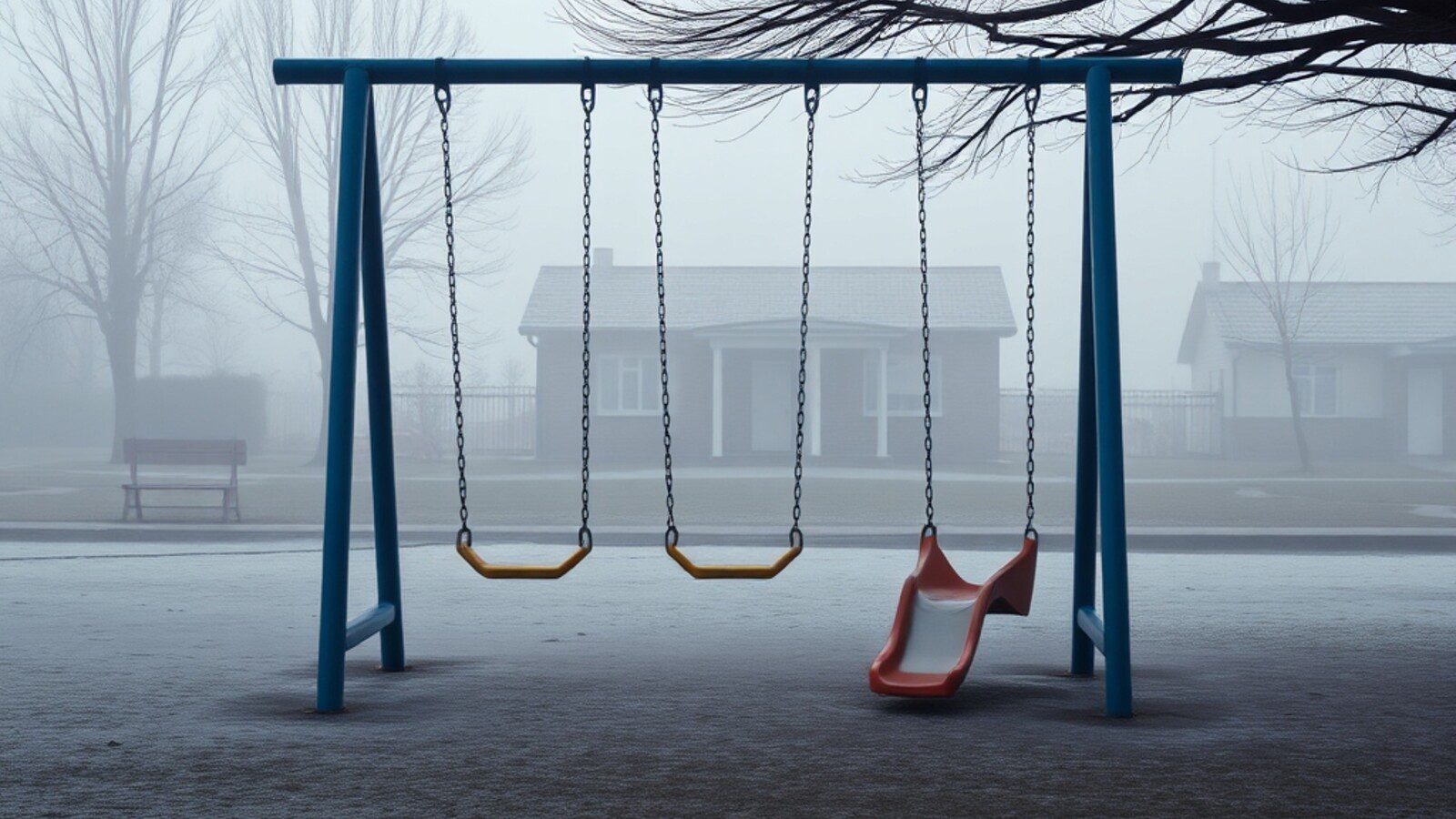
At least 114 children were killed and 1,030 injured in Ukraine in the first ten months of 2026, according to the UN Human Rights Monitoring Mission in Ukraine, figures that UNICEF cited on 20 November saying child casualties are at their highest level in almost four years. That is more than three children killed or injured every day.
UNICEF said the number of children killed this year already exceeds the full-year 2025 total by more than 20 per cent, and the number injured is up almost 60 per cent on last year. In October alone at least 146 children were killed or wounded, 150 per cent more than in October 2025.
The numbers
| Measure (UN monitoring mission and UNICEF, January-October 2026) | Figure |
|---|---|
| Children killed | At least 114 |
| Children injured | 1,030 |
| Killed or injured in October alone | At least 146 (150% more than October 2025) |
| Killed, against all of 2025 | More than 20% higher |
| Injured, against last year | Up almost 60% |
Kyiv, a kindergarten and the winter ahead
Louise Wateridge, UNICEF’s acting communications chief, briefed journalists in Geneva from a playground in Kyiv, next to a kindergarten in the Solomianskyi district that was hit on the night of 7 November, when it was empty. Air-raid alarms in Kyiv have intensified in recent weeks, UNICEF said.
Scheduled blackouts of four to 18 hours are in force across most of the country, with some cuts exceeding 12 hours in early November, and heating and power plants are heavily damaged. Power cuts also disrupt water systems. UN officials warn that last winter’s crisis, when nearly two million children were left without heat, electricity and water as temperatures fell below minus 20 degrees Celsius, could recur.
UNICEF said it is supporting district energy projects to keep heating running for about three million people in the hardest-hit municipalities, providing solar power at critical water sites serving about 2.5 million people, and installing alternative power in health facilities.
Telugu Scope illustration.
More Stories
 InternationalUN voices deep concern over escalating hostilities in and around Yemen
 InternationalMagnitude 6.7 earthquake strikes central Peru; no casualties reported so far
 InternationalEstonia to suspend road border crossings with Russia for six months from 1 December
 InternationalMalaysia to end visa-free entry for Indians from 1 January 2027
 InternationalUK and EU agree deals on food trade, carbon markets and a youth scheme at Brussels summit
 InternationalUN’s top court finds Myanmar responsible for genocide against the Rohingya, the first such ruling against a State