
Original bilingual journalism · English & తెలుగు

UN’s top court finds Myanmar responsible for genocide against the Rohingya, the first such ruling against a State
The International Court of Justice ruled on 19 November in The Gambia v. Myanmar that Myanmar is responsible for genocide against the Rohingya and failed to prevent and punish it; Myanmar's government calls the ruling unfair.

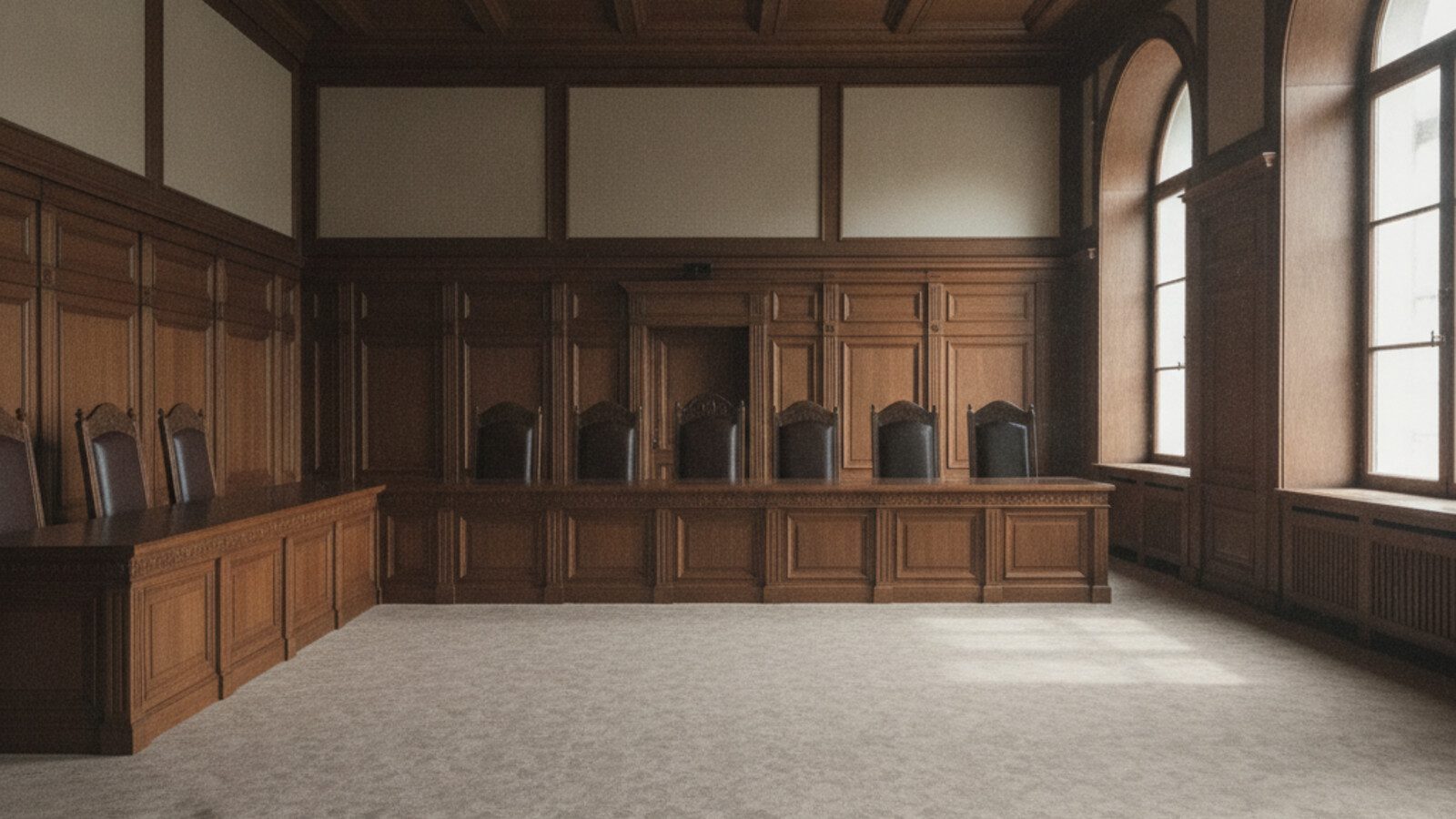
The International Court of Justice (ICJ), the principal judicial organ of the United Nations, ruled on Thursday, 19 November, that Myanmar is responsible for the crime of genocide against the Rohingya, an ethnic minority that is mainly Muslim. It is the first time the court has found a State responsible for genocide.
Court President Yuji Iwasawa also declared that Myanmar had failed to prevent and punish genocide. The case was brought by The Gambia in November 2019.
What the court found
The judgment holds that Myanmar’s security forces and other State organs intentionally committed acts prohibited by Article II of the Genocide Convention: killing members of the group, causing serious bodily or mental harm to them, and imposing measures intended to prevent births within the group. It described the 2017 clearance operations in northern Rakhine state, after which some 700,000 Rohingya fled to Bangladesh, and cited an estimated 10,000 Rohingya killed.
As consequences of these breaches, the court ordered Myanmar to enact legislation giving full effect to its obligations under the Genocide Convention; to investigate persons reasonably suspected of acts contrary to the Convention and, if warranted, prosecute and punish them; to allow the safe, voluntary and dignified return of displaced Rohingya to their places of residence; and to compensate the Rohingya group and its members for the damage caused. The amount and form of compensation will be decided in a later phase, and Myanmar must report to the court within two years of the judgment. The judgment is final and binding on the parties and without appeal. The court has no means of enforcing its rulings itself; non-compliance can be reported to the UN Security Council.
Reactions
UN Secretary-General Antonio Guterres called the judgment a “powerful recognition of the Rohingya victims of genocide”. Several judges attached dissenting opinions. On Friday, 20 November, a Myanmar government spokesperson, Khaing Khaing Soe, told a press conference in Naypyitaw that the ruling was unfair, that the decision was not unanimous and that Myanmar had been unjustly accused.
Telugu Scope illustration.
More Stories
 InternationalJPMorgan, Mastercard and Visa report customer data exposed through outside providers; Visa says card numbers not affected
 InternationalCalifornia attorney general serves Nvidia with a subpoena on whether chips or confidential information reached China and whether investors were misled
 InternationalTrump, Xi and Putin hold first three-way summit in Shenzhen; ‘peace declaration’ seeks UN reforms and lower nuclear risks
 InternationalUS Democrats push the Dream and Promise Act, which could give green cards to children of H-1B workers
 InternationalGoyal and Tajani co-chair India-Italy economic commission in Rome, reaffirm Euro 20 billion trade goal for 2029
 InternationalPM Modi to open first SCO Civilisational Dialogue Forum at Purana Qila on 20 November