
Original bilingual journalism · English & తెలుగు

WHO drafts specifications for wearable devices that track how much a population moves and sits; feedback open till 6 December
WHO has drawn up draft specifications for wrist-worn wearable devices that health systems could use to measure activity and sitting across a population. Feedback is open until 5.30 pm IST on Sunday, 6 December.

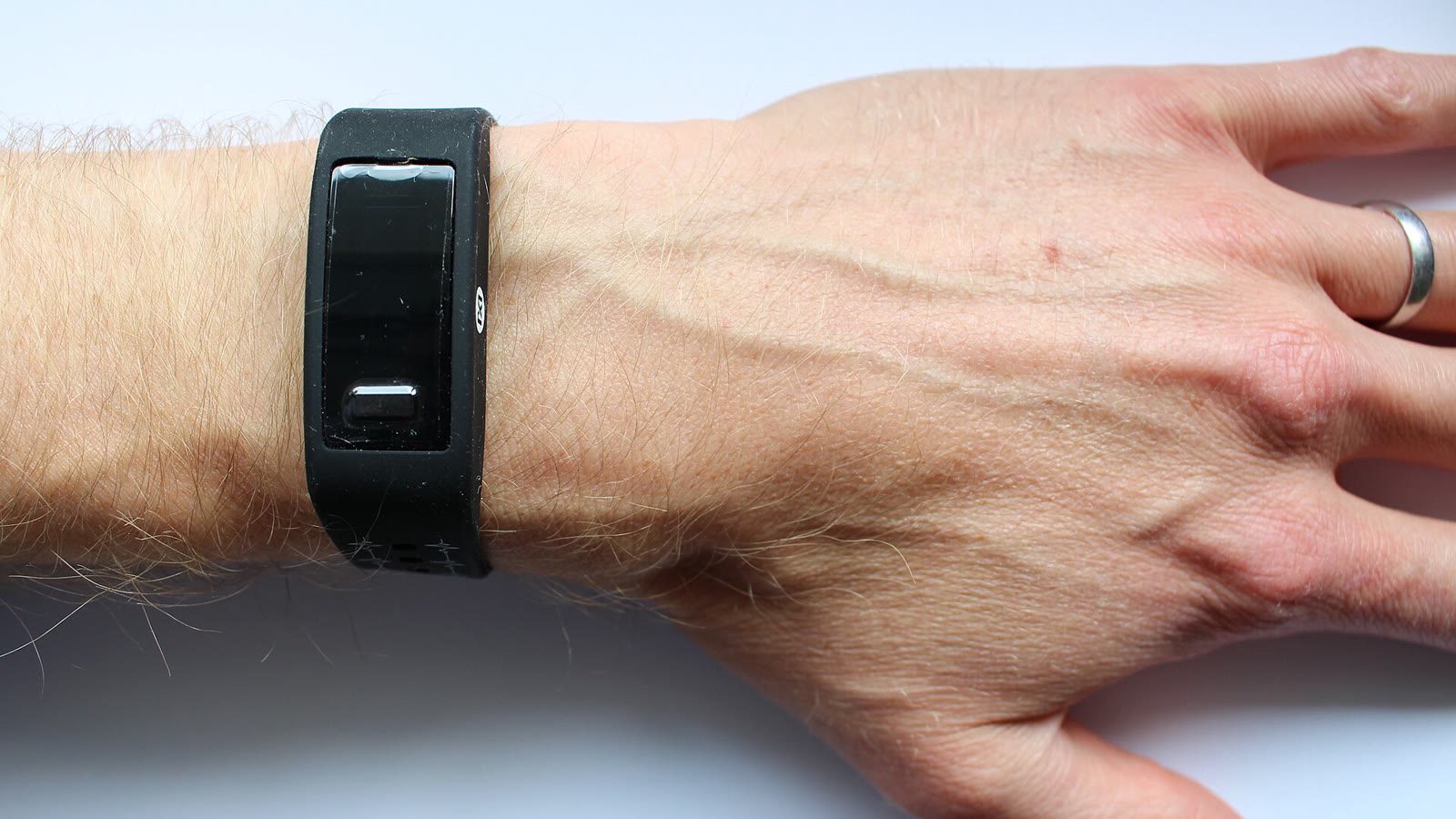
The World Health Organization (WHO) wants a common yardstick for the wearable devices that health authorities could use to measure how much a population moves and how long it sits. On Sunday, 8 November, it asked for comments on its draft target product profile, which covers devices worn on the wrist, in a public consultation that runs until 6 December.
A target product profile describes the features a product needs for a set purpose. Here the purpose is tracking activity levels at national and subnational level, and WHO says wearables could add objective readings of movement to the methods countries already use. The draft sets out minimum specifications for a device fit for the job and a second, enhanced set above them. It also covers data access, how monitoring programmes would put the devices to work and how they would be rolled out on the ground.
The profile is written for public health surveillance, not as advice for people choosing a device for themselves.
Who WHO wants to hear from
The invitation goes to health authorities at national and subnational level, public health institutes, national statistics offices and the people who run surveillance programmes. Researchers who measure activity and sitting time are invited too, along with wearable makers, technology and software developers, standards bodies, regulators, development partners, funders and civil society groups. WHO says it especially wants low- and middle-income countries to respond, and notes that wearables still play a limited part in routine population monitoring, especially there.
The questions cover the need for a WHO profile and WHO’s role, the draft’s scope, the two levels of specifications, the hurdles to adopting the devices and what help WHO should offer next. WHO will revise and finalise the draft in light of the replies.
India has a gap of its own in activity data. When WHO released estimates of adolescent activity on 4 November, India was left out because none of the over 15 Indian surveys the authors examined passed all their tests, Telugu Scope reported.
The survey takes about 25 minutes, and WHO’s survey page says responses will not be published. It closes at 12 noon UTC, which is 5.30 pm IST, on Sunday, 6 December.
Representative image. Photo: Peterhcharlton / CC BY 4.0 via Wikimedia Commons
More Stories
 LifestyleDiwali firecracker eye injury: LV Prasad Eye Institute’s do’s, don’ts and first aid
 LifestyleKalka-Shimla toy train to get hydrogen engine: Railways picks Barog for fuel plant on UNESCO heritage line
 LifestylePotassium-enriched salt could save about 4 lakh lives a year in India, global study estimates
 LifestyleOne in four adolescents has no active day in a week, WHO study finds; India missing from the data
 LifestyleRecycled plastic may return to food packs: FSSAI drafts rules for PE and PP, 60 days for objections
 LifestyleBRICS Sustainable Lifestyle Week: a green habit a day from 1 to 7 November