
Original bilingual journalism · English & తెలుగు
Veto must not serve narrow political ends, India tells UN as it presses for full Security Council reform
Ambassador Parvathaneni Harish told the reform talks in New York that the veto has been used 331 times on about 200 resolutions, most of them by three of the five permanent members, and that fixing it on its own will not work.

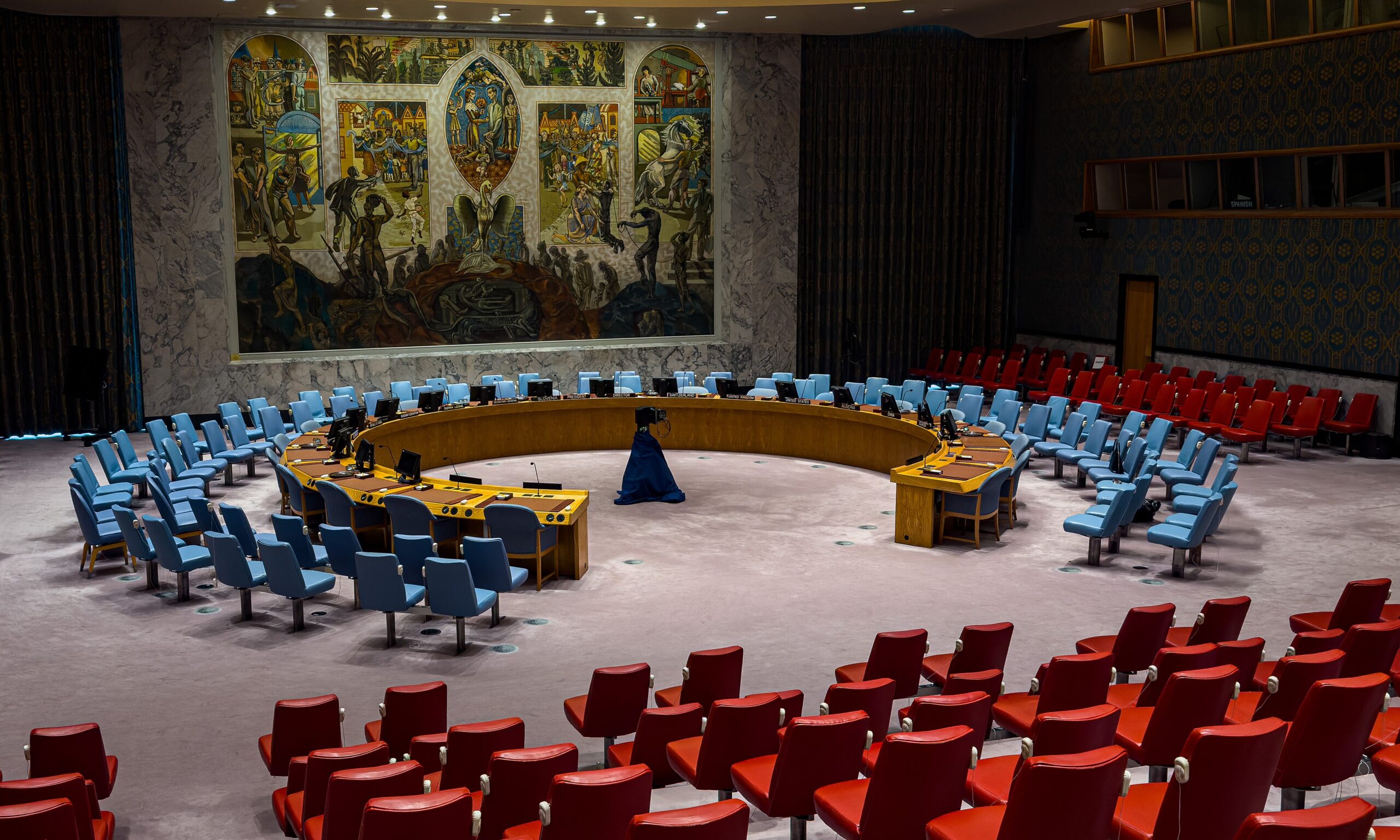
India has told the United Nations that the veto “should not be an instrument of narrow political expediency” and that the Security Council cannot be repaired one piece at a time.
Parvathaneni Harish, India’s Permanent Representative to the UN, made the case at a plenary session of the intergovernmental negotiations on Security Council reform in New York on 26 October. The veto, he said, is a responsibility that “must be exercised with great restraint”, above all on questions of international peace and security.
“The record of the veto is stark,” Harish said. It has been cast 331 times on around 200 resolutions in the life of the organisation. Two of the five permanent members have not used it in more than three and a half decades, while most vetoes, and most threats of a veto, have come from the other three. That lopsided use, he argued, has eaten into the Council’s credibility.
Accountability rule has not worked
In 2022 the General Assembly adopted resolution 76/262, which requires a debate in the Assembly whenever a veto is cast. Harish said the number of vetoes since then shows the measure has not deterred anyone. He also pointed to what he called the “effective or de facto veto” that every Council member holds through the consensus rule on presidential statements, press statements and sanctions-committee decisions.
India’s answer is that the veto cannot be separated from the other four reform clusters: the categories of membership, regional representation, the size of the Council and its working methods. “We need to move forward on all five clusters together,” Harish said, calling for text-based negotiations to begin early, with clear timelines and milestones. Limiting the veto alone, he said, would leave the decision-making power of the five permanent members largely intact.
Equal rights or none
India aligned itself with the Common African Position, which seeks two permanent seats for Africa with the same rights as the existing five. As long as the veto exists, Harish said, all permanent members of a reformed Council should hold it, and India opposes creating a new category of permanent members without one, which would only entrench inequity. Periodic elections and permanent membership, he added, are fundamentally contradictory. India, with Brazil, Germany and Japan in the G4, has sought a permanent seat for years; the negotiations, running since 2009, have yet to produce a single negotiating text.
File photo: the Security Council chamber at UN headquarters in New York. Photo: Jdforrester / Wikimedia Commons, CC BY 4.0
More Stories
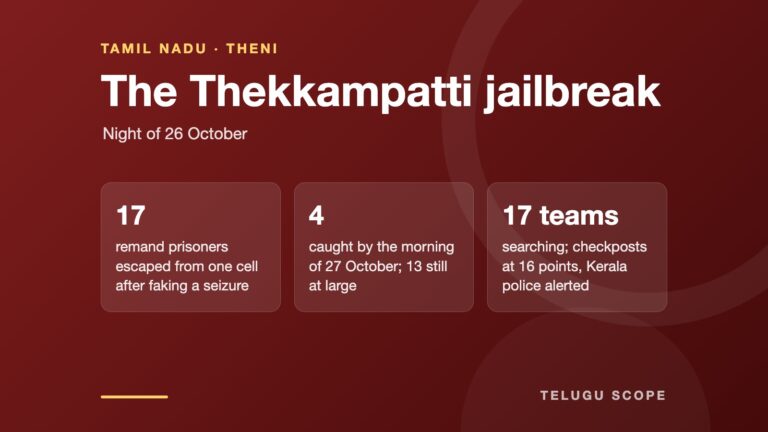 NationalTheni jailbreak: 17 remand prisoners fake a seizure, beat up warders and escape; four caught, 13 still out
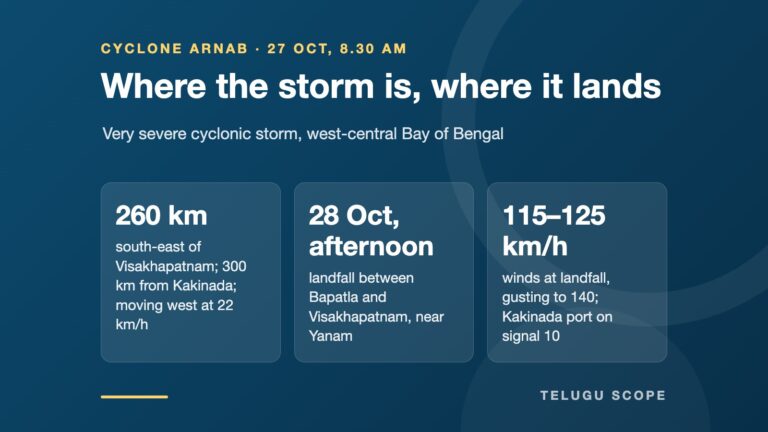 Andhra PradeshCyclone Arnab: 260 km off Visakhapatnam, landfall near Yanam on 28 October with winds up to 140 km/h
 MoviesRanabaali slows in its second week: Rs 54 crore net in 11 days as Jailer 2 crosses Rs 400 crore in India
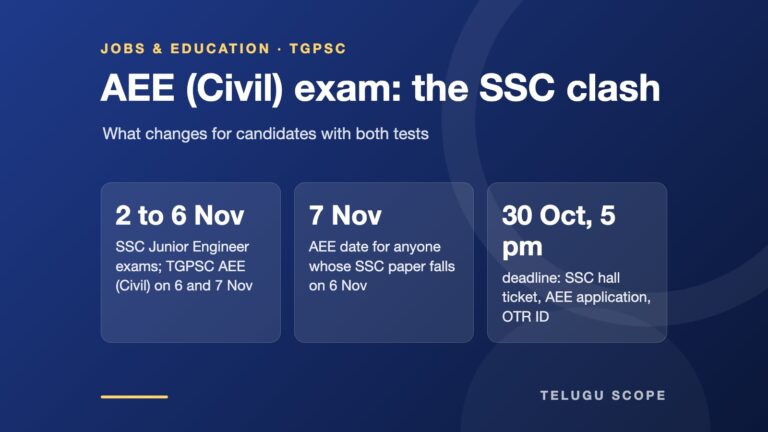 TelanganaTGPSC moves the engineers’ exam to 7 November for candidates caught by the SSC clash; papers due by 30 October
 TelanganaHyderabad goes on water rations: supply once in three days, 8,000 tanker bookings a day and a Rs 1,000 fine for waste
 Andhra PradeshCyclone Arnab: 61 trains off, schools shut in four districts and Rs 27 crore released as the storm turns very severe