
Original bilingual journalism · English & తెలుగు

Hormuz risks could keep oil import bills and freight rates volatile, Finance Ministry warns in monthly review
The Finance Ministry's Monthly Economic Review for November says the Middle East conflict and risks to the Strait of Hormuz could keep oil import bills and shipping freight rates volatile and feed into wholesale and retail prices. It also notes relief from lower crude prices and a stronger rupee, if the trend lasts.

India’s oil import bill and shipping freight rates could stay volatile if the Middle East conflict and Hormuz shipping risks continue, the Finance Ministry has said in its Monthly Economic Review for November.
The risk the ministry flags
The review says such supply disruptions could feed into wholesale and retail price indices in the coming months.
Where it sees relief
Global crude benchmarks eased in early November and fell below US$100 a barrel, and the rupee strengthened on robust capital inflows. The review says this may ease imported inflation pressures, but only “contingent upon the persistence of this trend”.
The wider economic picture
- External sector: merchandise exports grew robustly and a services trade surplus helped offset the trade deficit. FDI and other capital inflows rose, and forex reserves remain adequate.
- Activity: domestic activity is expected to keep its momentum into the third quarter of 2026-27. Industrial production growth slowed in September, and the manufacturing PMI (purchasing managers’ index) eased in October but stayed in expansion territory.
- Farm inputs: rabi-season fertiliser supply is comfortable, although reservoir storage is below last year’s level.
Official sources
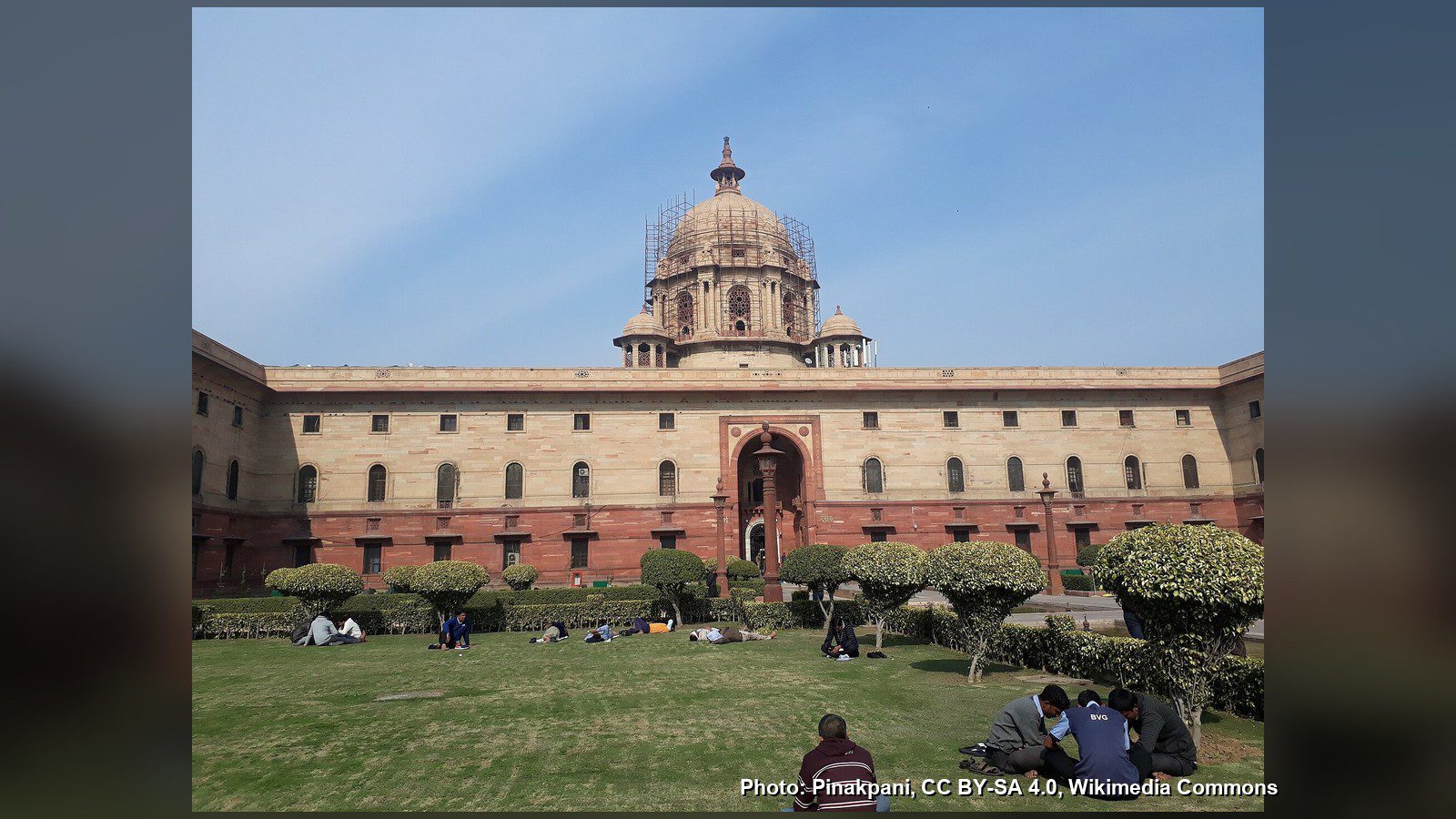
File photo: North Block in New Delhi, long the Finance Ministry's seat (2019). Photo: Pinakpani, CC BY-SA 4.0, Wikimedia Commons
More Stories
 NationalKarthigai Deepam on the Deepathoon at Thiruparankundram: why the Supreme Court stepped in, and what the long dispute is about
 NationalWarfare is shifting to decision-centric operations, says CDS Gen Raja Subramani; defence self-reliance is not merely a slogan
 NationalRishikesh-Karnaprayag rail line: 6.59-km Tunnel-14 in Rudraprayag district breaks through
 NationalFresh delimitation Bills: 50% more seats in every state, Lok Sabha capped at 850, women’s quota to follow
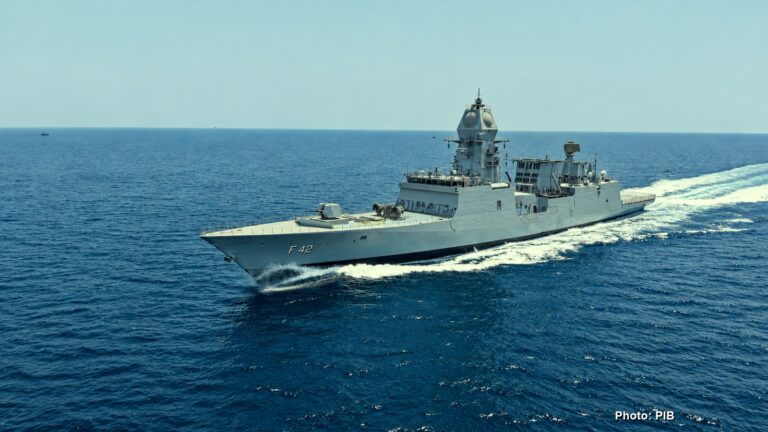 NationalNavy receives Vindhyagiri, the seventh and last Project 17A frigate, built at GRSE in Kolkata
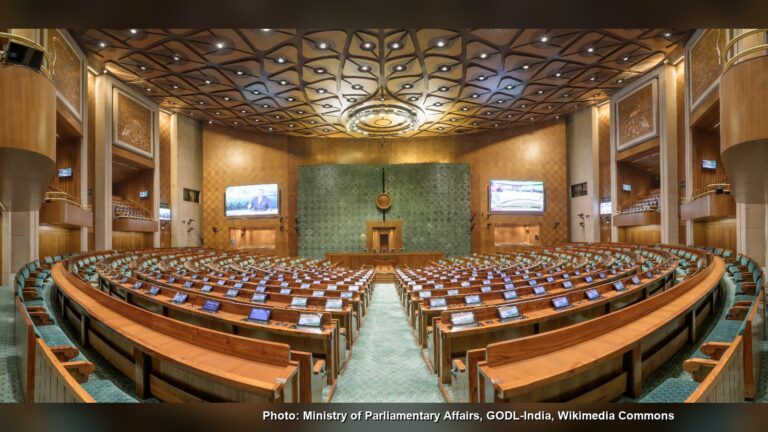 NationalParliament to meet again for special sittings: Lok Sabha on 30 November, Rajya Sabha on 2 December