
Original bilingual journalism · English & తెలుగు

Rs 1,000 for a vote is 55 paise a day: what the law says about cash for votes
A local representative serves five years, so Rs 1,000 offered for a vote works out to about 55 paise a day. Offering it is an offence under the Bharatiya Nyaya Sanhita, punishable with up to a year in jail, a fine, or both.


Whenever local body elections come round, talk of cash for votes is heard again in villages and towns. This guide answers three plain questions: what that money is really worth, what the law says about it, and what a voter can do.
The sum: 55 paise a day
An elected local representative serves a five-year term. Five years make 1,825 days (365 × 5, leaving out leap days). Rs 1,000 spread over 1,825 days comes to about 55 paise a day. Even Rs 2,000 works out to about Rs 1.10 a day.
| Amount offered | Per day over five years |
|---|---|
| Rs 500 | about 27 paise |
| Rs 1,000 | about 55 paise |
| Rs 2,000 | about Rs 1.10 |
For that sum, the person elected decides for five years how the roads, drinking water, drains, schools and health centres of the area are looked after.
What the law says
Offering money, a gift or any other benefit to make someone vote, or not vote, in a particular way is bribery under the Bharatiya Nyaya Sanhita. Section 170, in the chapter on offences relating to elections, defines the offence. It covers the person who gives as well as the person who accepts. Section 173 sets the punishment: imprisonment of up to one year, or a fine, or both. Where the bribe takes the form of food, drink or entertainment, known in law as treating, the punishment is a fine only.
Who to complain to
Elections to panchayats and municipal bodies in Andhra Pradesh are conducted by the State Election Commission, not the Election Commission of India. Complaints about the conduct of these elections, including cash being handed out, go to the State Election Commission and to the election officers of the area. Take the complaint number and procedure from the commission’s official website or office.
What a voter can do
- Judge candidates by their work and their promises, not by what they hand out.
- If you see money being distributed, note the date, the place and what you saw, keep a photo or video where it is safe to do so, and give it to the election officials.
- At the gram sabha or ward meeting, ask for the accounts of the village or ward: its income, its spending and its common assets.
Also read
- AP and Telangana to borrow Rs 1,000 crore each at RBI bond auction on 17 November
- Bay of Bengal low becomes a depression: what Andhra faces day by day to 20 November
- Murasu set to cross the Andhra coast between Nellore and Narsapur on 3 November morning, the day municipal votes are counted
Telugu Scope illustration.
More Stories
 Andhra PradeshTTD and LIC pay Rs 2 lakh each to seven pilgrims’ families under the Srivari Yatra Suraksha scheme
 Andhra PradeshThunderstorms and rain likely across Andhra Pradesh and Yanam until at least 27 November, says IMD Amaravati
 Andhra PradeshAndhra Pradesh’s new civic councils: sewage first in Tirupati, a 24-year-old deputy mayor in Ongole
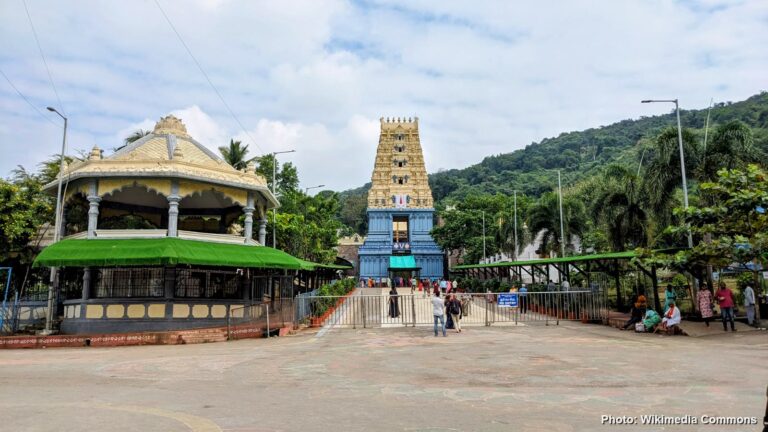 Andhra PradeshSimhachalam temple to enforce a dress code for devotees from 1 December
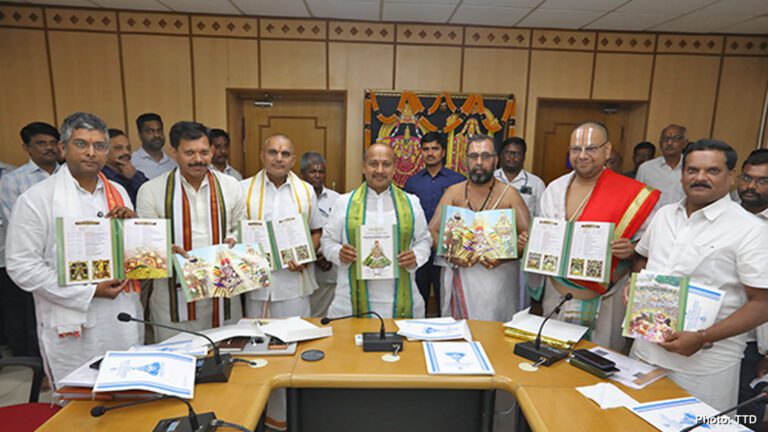 Andhra PradeshTiruchanur Karthika Brahmotsavams from 6 to 14 December; TTD releases the festival programme
 Andhra PradeshSyed Mushtaq Ali Trophy: Andhra beat Madhya Pradesh by 70 runs