
Original bilingual journalism · English & తెలుగు

AP municipal polls phase two: nominations open in 23 urban bodies, vote on 26 November
Four corporations and 19 municipalities and nagar panchayats in Andhra Pradesh elect mayors, chairpersons and 1,009 ward members on 26 November. Papers can be filed until 3 pm on 16 November.

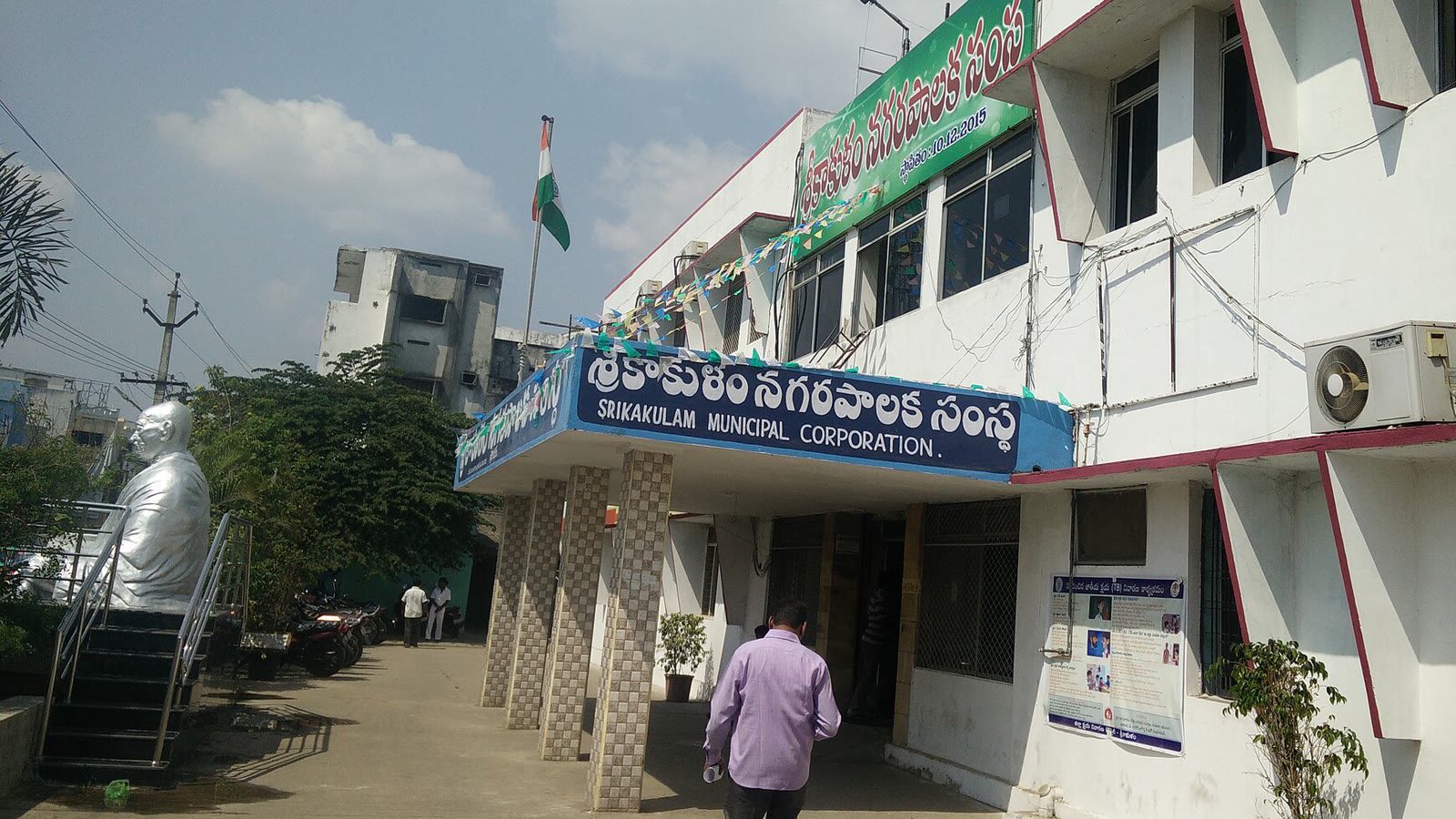
Candidates in 23 Andhra Pradesh cities and towns can file papers from Saturday, 14 November, as the second phase of the AP municipal polls gets under way. Voters in four corporations and 19 municipalities and nagar panchayats will elect mayors, chairpersons and 1,009 ward members on Thursday, 26 November, under a programme the State Election Commission notified on 12 November. Counting is on Monday, 30 November.
The four corporations are Srikakulam, Kakinada, Rajamahendravaram and Mangalagiri-Tadepalli, with 260 wards between them; Rajamahendravaram has the most, 72. The other 19 bodies hold 749 wards. West Godavari has four of them (Palacole, Bhimavaram, Tadepalligudem and Tanuku) and Nellore district three (Gudur, Kavali and Alluru). The 23 lie in 15 districts.
Nominations close at 3 pm on 16 November
Returning and election officers issue election notices on 14 November, and ward-wise voter lists go up in the municipalities and nagar panchayats. Papers are taken from 11 am to 3 pm, the last day being Monday, 16 November. Scrutiny begins at 11 am on Tuesday, 17 November. Withdrawals close at 3 pm on Thursday, 19 November, when the final list of contestants goes up. Booths open from 7 am to 5 pm, with Friday, 27 November, kept for any repoll. Counting starts at 8 am.
The rolls carry 24,98,152 voters: 12,92,989 women, 12,04,753 men and 410 others, who will vote at 2,801 polling stations. Of the 1,009 wards, 503 are reserved for women across all categories.
Reserved posts and spending limits
The mayor’s post in Mangalagiri-Tadepalli is reserved for a Scheduled Tribe candidate and in Rajamahendravaram for a Scheduled Caste candidate. Kakinada’s goes to a Backward Class woman and Srikakulam’s to a general-category woman. Eight of the 19 chairperson posts are for women, while Tanuku, Tadepalligudem, Kavali, Kandukur and Narasaraopet are open to all.
The deposit is Rs 5,000 for mayor and corporation ward seats and Rs 3,000 in municipalities and nagar panchayats, halved to Rs 2,500 and Rs 1,500 for Scheduled Caste, Scheduled Tribe and Backward Class candidates. A mayoral candidate in these four corporations may spend up to Rs 25 lakh and a ward candidate Rs 10 lakh; in a municipality the caps are Rs 20 lakh and Rs 7.50 lakh.
The first phase, in 13 corporations and 87 municipalities and nagar panchayats, was polled on 1 November, and the commission’s final statement put turnout at 62.16%.
The model code of conduct has applied in the 23 bodies since 12 November. A commission order bars the transfer of election-linked officers, from Collectors and municipal commissioners to returning officers and police including sub-inspectors, until the process ends. Ward 20 of Atmakur municipality in Nandyal district votes on the same dates, after all its first-phase candidates withdrew.
File photo. The Srikakulam Municipal Corporation office. Photo: Rahmanuddin / CC0 via Wikimedia Commons (cropped)
More Stories
 Andhra PradeshBay of Bengal low becomes a depression: what Andhra faces day by day to 20 November
 Andhra PradeshSecond Kia plant in Andhra Pradesh to start production in early 2030
 Andhra PradeshOrange alert for four north Andhra districts on 19 November as Bay low deepens
 Andhra PradeshAndhra Pradesh raises reward for unanimous panchayats to as much as Rs 50 lakh
 Andhra PradeshAP and Telangana to borrow Rs 1,000 crore each at RBI bond auction on 17 November
 Andhra PradeshAP panchayat polls: nominations open 15 November for 3,967 sarpanch posts in phase one