
Original bilingual journalism · English & తెలుగు
Tummidihatti barrage: Telangana is open to Maharashtra surveying the land at risk, offers compensation via a joint account
At a review in Hyderabad on 3 November, Chief Minister Revanth Reddy said Telangana had no objection to Maharashtra surveying the land the Tummidihatti barrage could submerge, and offered to put compensation in a bank account held by both states.

Telangana has decided to meet Maharashtra’s doubts about the Tummidihatti barrage by making an offer, not by arguing. At a review in Hyderabad on Tuesday, 3 November, Chief Minister A. Revanth Reddy said the state would raise no objection if Maharashtra carried out an independent survey of the land the barrage could put under water on the Maharashtra bank of the Pranahita.
Revanth Reddy said the state would pay fair compensation for every acre in Maharashtra lost to submergence, and was willing to park that money in an account held jointly by both state governments. Irrigation Minister N. Uttam Kumar Reddy and senior irrigation officials attended the meeting.
He told the officials to hand over, without delay, whatever information Maharashtra asks for, and to have a full record of the land that could go under water on hand. Every relevant paper, including the agreements already signed between the two states, is to be shared, so that the two sides negotiate from a common set of facts. He also asked them to keep ties with the neighbouring government friendly and the conversation open.
Four metres apart since 2016
The review follows Revanth Reddy’s talks in Mumbai on 26 October with Maharashtra’s Chief Minister, Devendra Fadnavis. Telangana wants the barrage to hold water up to 152 metres at full reservoir level, four metres above the 148 metres the two states settled on in an agreement of 23 August 2016. Its engineers say that at 148 metres the barrage cannot send enough water downstream by gravity, which would mean more pumping and a bigger power bill.
Maharashtra’s worry runs the other way: each extra metre floods more land on the Maharashtra side. Fadnavis has said his government would support the project only if the people and land of Maharashtra are not harmed. In Mumbai he proposed a joint committee of officials from both states to work out the height, how much land would be flooded, which farms would be hit and what compensation would be due.
What is at stake for Adilabad
The Pranahita is a tributary of the Godavari, and the barrage is meant to bring water to about two lakh acres across the tribal belt of erstwhile Adilabad district. Tummidihatti was once the starting point of the Pranahita-Chevella scheme in undivided Andhra Pradesh; after the 2016 agreement capped its height, most of that plan moved downstream to Medigadda under the Kaleshwaram project. The Telangana government did not say when the two states would meet again.
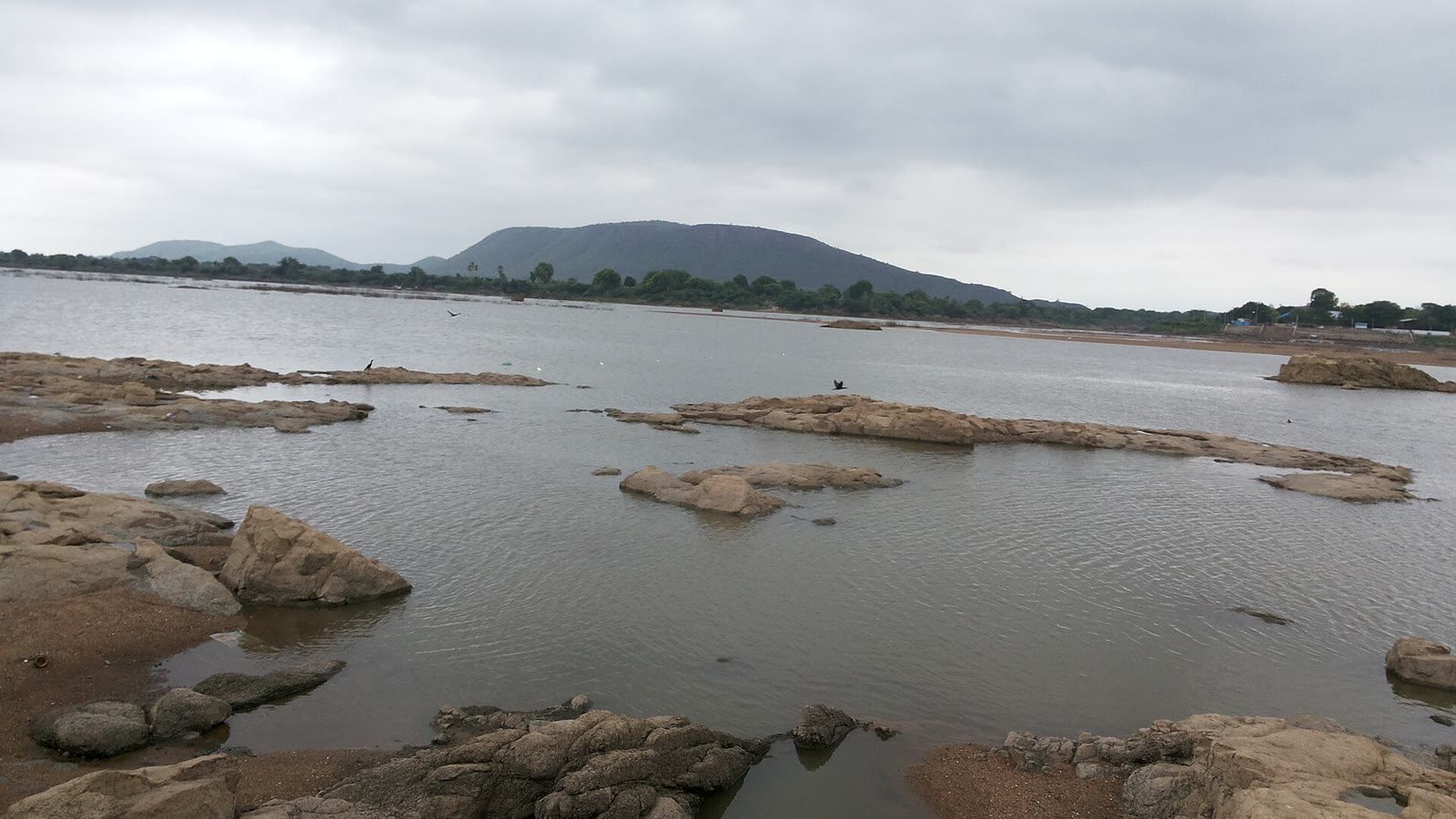
Representative image: the Godavari at Modela, Luxettipet, in erstwhile Adilabad district. Photo: Areason4all2016 / CC BY 4.0 via Wikimedia Commons
More Stories
 TelanganaGraduate MLC voter enrolment closes on Friday, 6 November with 3.84 lakh of 4.67 lakh forms still pending in Mahabubnagar-Rangareddy-Hyderabad
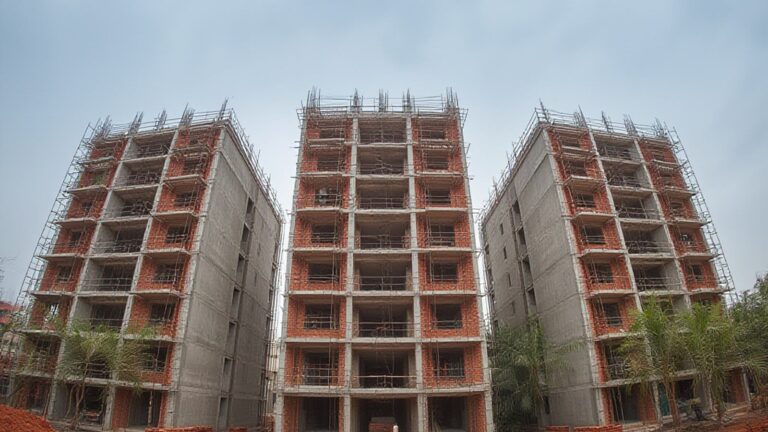 TelanganaIndiramma towers for four more cities: G+5 flats planned in Warangal, Karimnagar, Nizamabad and Nalgonda
 TelanganaBethupalli tank: all 11 rescuers swept away when boats capsized in Khammam brought out alive
 TelanganaTelangana groundwater sinks to 8.28 metres in October as the rain deficit widens to 24%; Vikarabad deepest at 13.54 metres
 BusinessInvest Telangana summit: Future City venue must be ready by 20 November, Revanth Reddy tells officials
 TelanganaSingareni re-employment: workers dismissed for absence in 2023-25 can apply by 14 November