
Original bilingual journalism · English & తెలుగు

India’s space economy can reach $40-45 billion in under a decade, says Jitendra Singh; Gaganyaan in final phase
Union Minister Jitendra Singh says the space sector, now worth nearly $9 billion with close to 500 companies, can reach $40-45 billion in under a decade; ISRO's chairman says Gaganyaan is in its final phase.

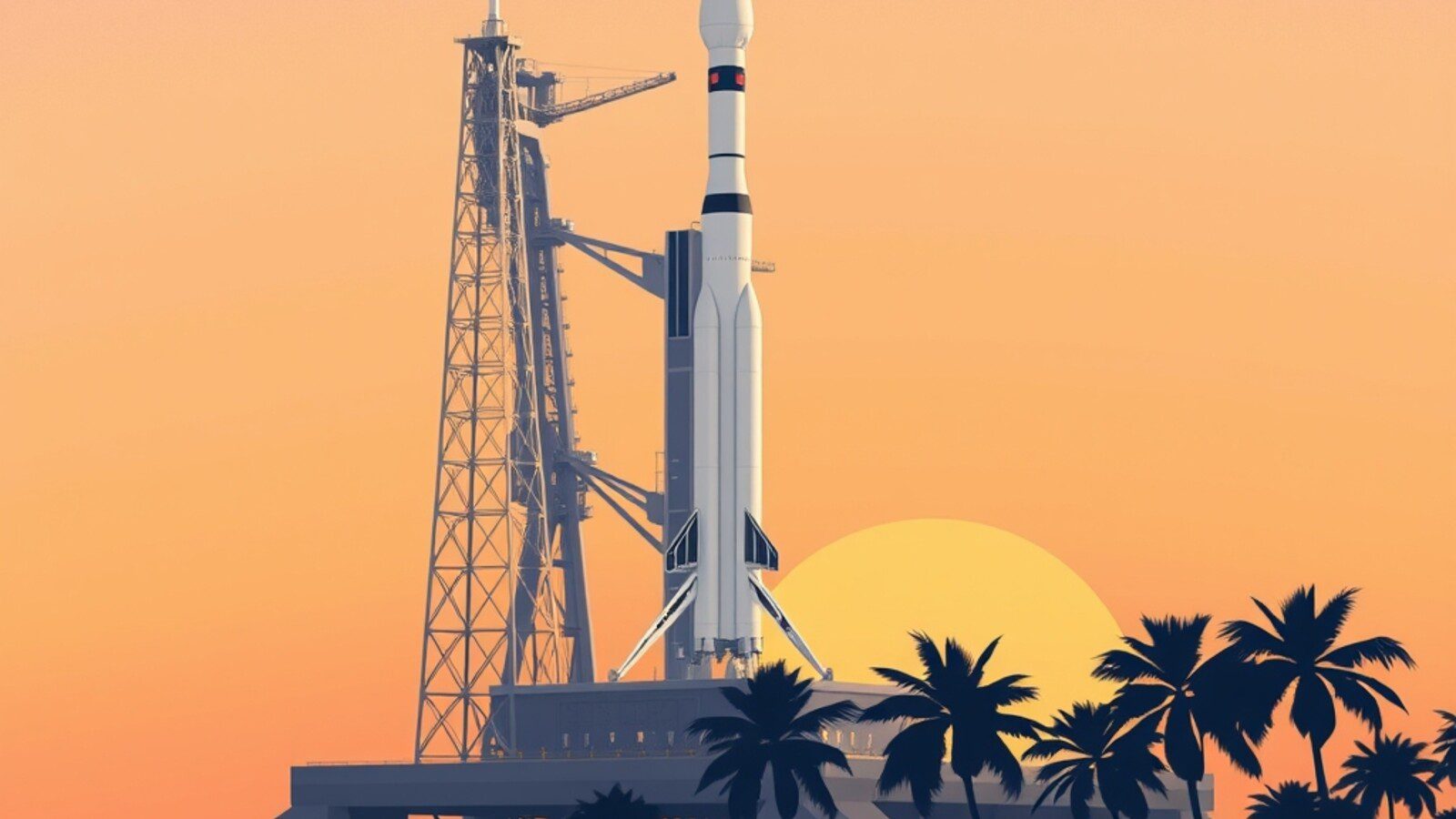
India’s space economy, now valued at nearly $9 billion, can grow to between $40 billion and $45 billion in less than a decade, Union Minister of State (Independent Charge) Dr Jitendra Singh said at the fifth India International Space Conclave in New Delhi.
From a handful of startups to nearly 500 companies
Dr Singh said the number of space companies has grown from single digits to nearly 500. He credited the policy changes of recent years: the setting up of New Space India Limited (NSIL), the creation of IN-SPACe and the opening of the sector to private participation, which he called among the most transformative policy decisions in recent decades. He urged private players to invest more in space and asked industry leaders to help bring overseas investment into the ecosystem.
Space data for everyday planning
The minister linked space applications to the PM Gati Shakti National Master Plan, saying satellite data can improve infrastructure planning, control costs and reduce wastage. Space technology, he said, serves almost every ministry, among them defence, railways, healthcare and education. ISRO Chairman Dr V. Narayanan and Space Secretary Dr Pawan Kumar Goenka were also present.
Gaganyaan update
Speaking to reporters, Dr Narayanan said the Gaganyaan human spaceflight mission is in its final phase. The rocket and other components are ready, work on the orbital module is continuing, and the launch will take place at the earliest opportunity. No launch date was announced.
The $40-45 billion figure is the minister’s projection; no basis for it was given.
Also read
- India has moved from technology consumer to creator, says Scindia, citing 2 lakh startups and cheaper data
- Samsung Gallery sync moves to Google storage: 15 GB free, a new ‘Free up space’ option and how to switch it on
- Gemini task automation reaches India: Google's assistant can book cabs and order food on Pixel 10, Pixel 11 and Galaxy S26 phones
Telugu Scope illustration.
More Stories
 TechnologyIndia has moved from technology consumer to creator, says Scindia, citing 2 lakh startups and cheaper data
 TechnologyGuterres asks countries to start talks on a global framework for artificial intelligence risk
 LifestyleNadda urges young doctors to adopt e-prescriptions and digitise patient records under ABHA
 TechnologyMicrosoft Ignite: Copilot Workspaces for people and agents, new models and HorizonDB on Azure
 TechnologyIndia’s electronics exports rise 44 per cent to $31.97 billion in April-September; non-phone goods up 56.5 per cent
 TechnologyBhashini and NIELIT sign MoU to bring multilingual artificial intelligence into technology courses in Indian languages