Original bilingual journalism · English & తెలుగు

California braces for king tides from 24 November as El Nino storms batter the coast
After record rain in San Francisco and high surf in Southern California, the California Coastal Commission lists 24-26 November as the first of this winter's highest tide periods, which could worsen erosion and flooding.

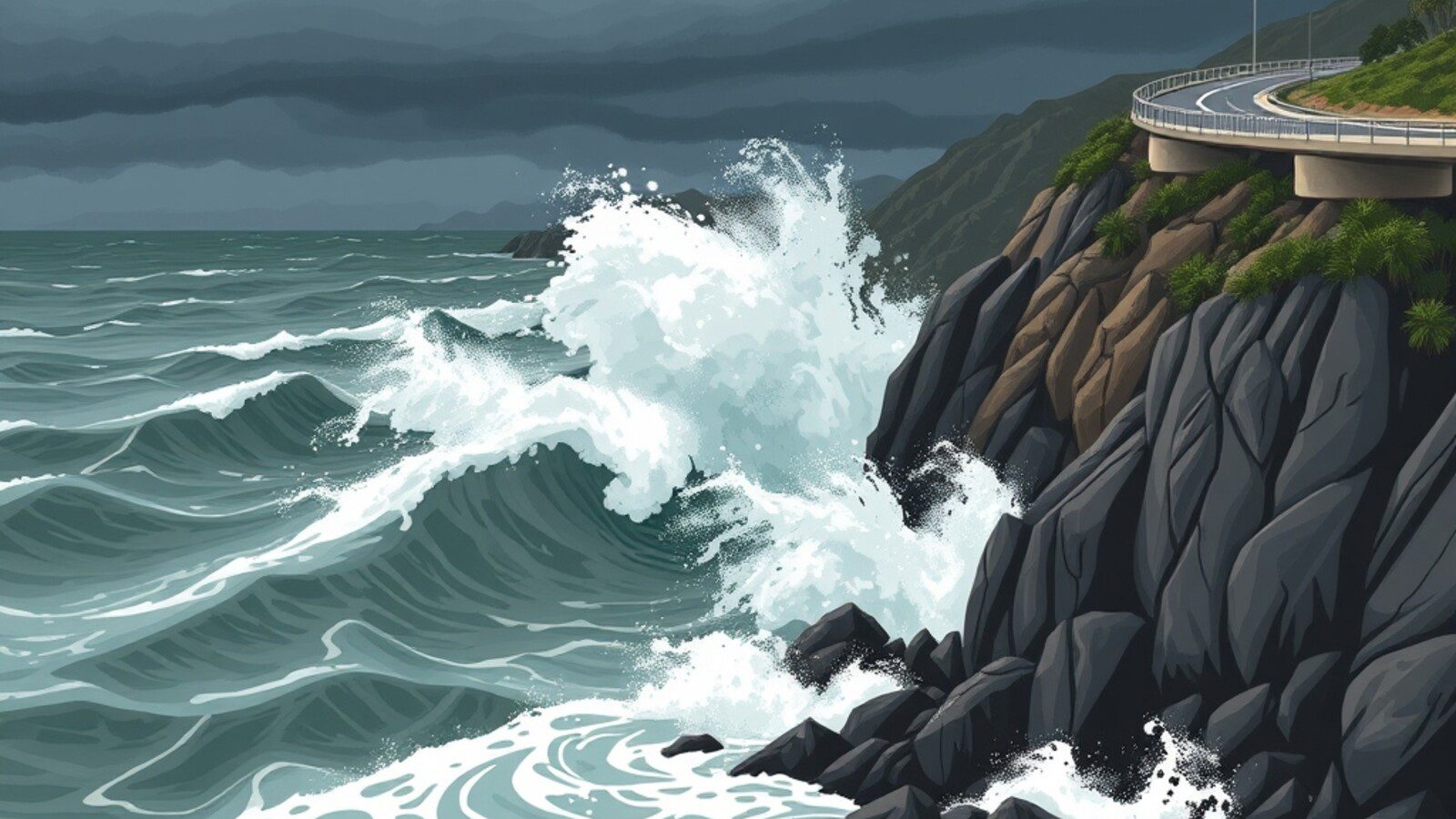
California’s coast is now entering the first of its highest tides of the winter, just as an El Nino-fuelled run of storms has left the shoreline battered. The California Coastal Commission lists 24 to 26 November as the season’s first big tide window, followed by 23 to 25 December and 21 to 22 January. From Monday, 23 November, maximum coastal water levels in parts of Southern California could go above 8 feet, forecasters say.
What the storms have already done
San Francisco received 2.64 inches of rain in a single day on Wednesday, 18 November, breaking a record for that date that had stood for more than a century. The storm came from an atmospheric river, a long band of moisture that dumps heavy rain. Floodwater stranded cars on freeways around the Bay Area, and more than 51,000 electricity customers were without power by that afternoon.
The US National Weather Service later warned of a new front that it called a “very efficient rain producer”, with rain rates above an inch an hour and several flash flood warnings. On Thursday, 19 November, large swells hit the Southern California coast, and a high surf advisory for Malibu and Los Angeles County beaches warned of waves of 6 to 9 feet. In October, a 360-foot crack opened in a coastal bluff beneath the Pacific Coast Highway near Crystal Cove State Park, and the state transport department limited traffic to one lane in each direction.
Why the tides matter now
King tides are the highest tides of the year, and they cause the most damage when they coincide with storms and big waves. Mark Merrifield of the Scripps Institution of Oceanography called the combination of higher waves, more rain and higher sea levels a “triple threat”. Flood and erosion risk is highest when large swells or rain arrive with a king tide.
The wider backdrop is El Nino. The US ocean and atmosphere agency NOAA puts the probability of a “historic” event, one stronger than any since records began in 1950, at about 60 per cent for at least October to December. Families in California can check tide tables and local advisories before visiting beaches or driving along the coast.
Also read
- California attorney general serves Nvidia with a subpoena on whether chips or confidential information reached China and whether investors were misled
- Commonwealth summit opens in Antigua: King Charles speaks of 'profound personal sorrow' over slave trade but offers no apology
- WHO staff evacuated from Ituri hospital after over three days sheltering from fighting
Telugu Scope illustration.
More Stories
 InternationalTen years after Colombia’s peace accord, Guterres urges full implementation with five years left
 InternationalIndian Ocean Rim ministers gather in Delhi on Friday; EU and IORA hold first maritime security roundtable
 InternationalAbout 350,000 children in encircled Taiz, Yemen missed measles-rubella vaccination as vaccines cannot reach them, UN says
 InternationalFive women and girls were killed every hour by partners or relatives in 2025, UN agencies report as 16 Days of Activism begin
 InternationalEarthquake of magnitude 5.3 to 5.6 strikes eastern Nepal; tremors felt in Sikkim, North Bengal and Bihar
 InternationalZelenskyy says Ukraine hit Russian ships at Benghazi; UN mission seeks independent investigation