
Original bilingual journalism · English & తెలుగు

Centre approves six new urea plants worth about Rs 54,000 crore; none is in Andhra Pradesh or Telangana
The government has approved six brownfield urea plants with an investment of about Rs 54,000 crore under the National Investment Policy for Urea 2026. Each is planned at 12.7 lakh tonnes a year, in Tamil Nadu, Punjab, Uttar Pradesh, West Bengal and Rajasthan.

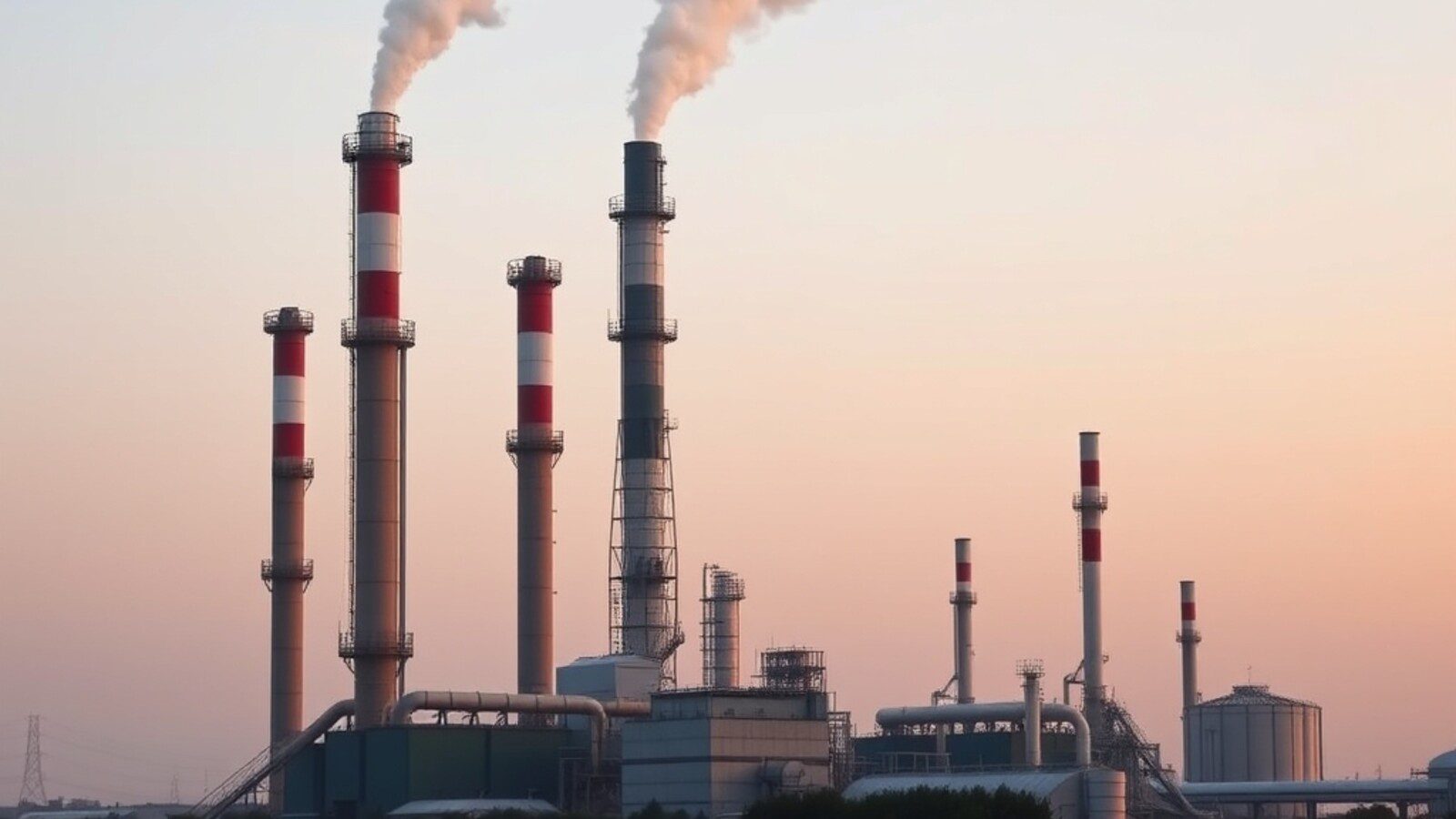
The Centre has approved six new urea plants in the brownfield category, meaning at or beside existing fertiliser sites, with a total investment of about Rs 54,000 crore under the National Investment Policy for Urea (NIPU) 2026. The Ministry of Chemicals and Fertilizers, which gave the plant-level details on Wednesday, 25 November, said the projects will strengthen fertiliser security and self-reliance in urea production and create jobs.
The six plants
Each project has a capital-cost norm of about Rs 9,000 crore and a planned capacity of 12.7 lakh tonnes a year. Two are public-sector units that replace very old plants: MFL-Madras in Tamil Nadu, which succeeds a unit more than 60 years old, and NFL Nangal in Punjab, which replaces a plant 50 to 55 years old. KFL-Shahjahanpur in Uttar Pradesh is a cooperative project of KRIBHCO that expands a unit commissioned in 1995.
The three private projects are Matix-Panagarh in West Bengal, built on a modern plant commissioned in 2017; CFCL Gadepan in Rajasthan, which expands a complex running since 1994; and IIPL-Jagdishpur in Uttar Pradesh, which adds capacity to a plant set up in 1988. Taken together, the six planned capacities come to about 76 lakh tonnes a year, though two of the plants replace old units.
What is not yet known
The ministry did not give completion dates, a plant-wise investment split or employment numbers. None of the six sites is in Andhra Pradesh or Telangana, two states where fertiliser supply is watched closely in the kharif and rabi seasons.
Telugu Scope illustration.
More Stories
 NationalConstitution Day: 77 years on, the Telugu leaders who helped shape it
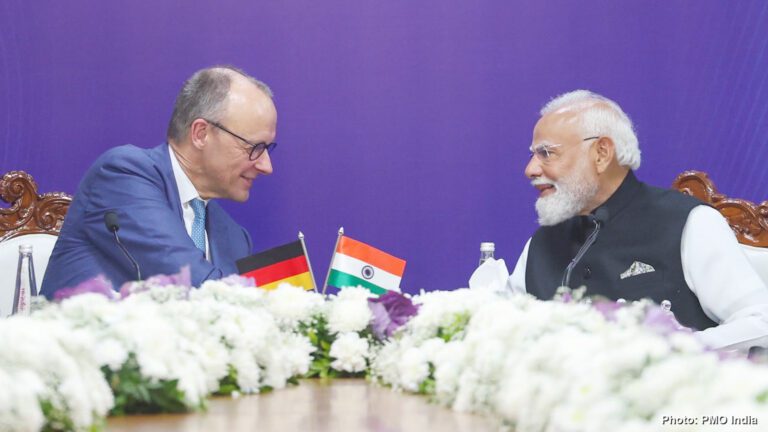 NationalModi and Merz speak by phone, pledge deeper defence, technology and trade ties as India and Germany mark 75 years
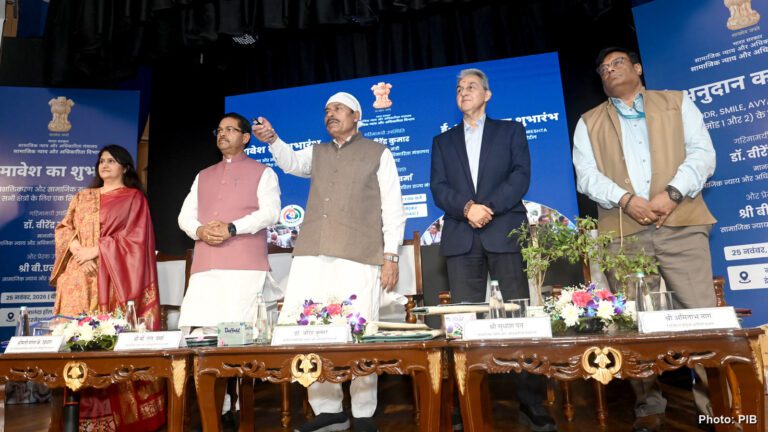 NationalSocial Justice Ministry launches SAMAVESH single-window portal and e-Anudaan grants platform in Delhi
 NationalIndian Railways ran about 18,000 extra trains this festive season; about 20 crore passengers in 26 peak days
 NationalIndia crosses one crore HPV vaccine doses for 14-year-old girls; WHO calls it a milestone
 NationalHome Ministry cyber unit warns against leaving WhatsApp Web logged in on shared computers