
Original bilingual journalism · English & తెలుగు

India re-elected to ITU Council with 151 votes, third in Asia-Australasia
India came third of 15 candidates for the Asia and Australasia seats on the ITU Council for 2027-2030, with 151 votes at the Doha conference. Pakistan and Russia missed out.

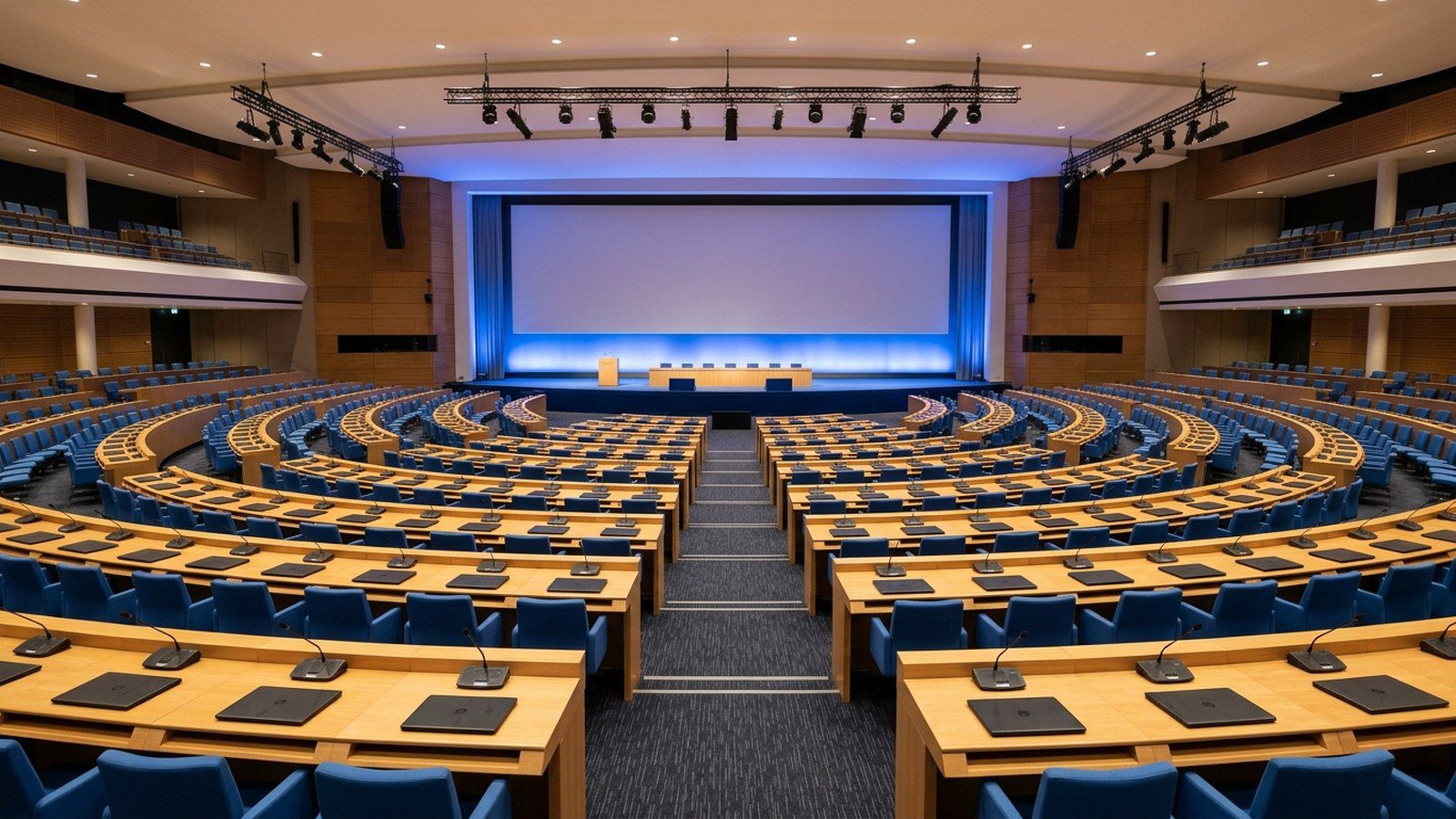
India has won a fresh four-year term on the ITU Council, the body that steers the International Telecommunication Union between its big conferences, finishing third of 15 candidates in the Asia and Australasia group in the vote at the union’s Plenipotentiary Conference in Doha, Qatar.
India polled 151 votes for the 2027-2030 term, according to the election results published by the ITU. Only Qatar, the host, with 165, and Saudi Arabia, with 155, did better in the region, which had 13 seats to fill. Japan and the United Arab Emirates came next with 149 each, while China, on 139, shared 11th place with Thailand. Bahrain took the last seat with 125.
Pakistan, with 115 votes, and Iraq, with 106, missed out. In the Eastern Europe and Northern Asia group, Russia drew only 72 votes and failed to win one of the five seats there.
What the Council does
The Council has 48 members, divided by region: 13 each for Africa and for Asia and Australasia, nine for the Americas, eight for Western Europe and five for Eastern Europe and Northern Asia. Members serve until the next plenipotentiary, held every four years. Between those meetings the Council supervises the work, policies and strategy of the ITU secretariat, runs working groups and drafts the union’s strategic and financial plans. It holds a session in Geneva each year.
The ITU, a United Nations agency, counts 194 governments and more than 1,000 companies and organisations as members. Its stated job is to widen connectivity around the world.
Leadership already chosen
The conference elected its top officials on 12 and 13 November. Doreen Bogdan-Martin of the United States was re-elected Secretary-General with 164 votes on 12 November. Adel Darwish of Bahrain became Deputy Secretary-General on 13 November after a fourth round, beating Stephen Bereaux of the Bahamas by 90 votes to 85. India did not field a candidate for the region’s three seats on the Radio Regulations Board, which went to nominees from China, South Korea and Saudi Arabia. The conference runs until 27 November.
Telugu Scope illustration. An empty conference plenary hall.
More Stories
 NationalSovereign Gold Bond 2020-21 Series VIII can be cashed early at Rs 13,499 a unit
 NationalAndhra malaria cases pass 2025 total as President opens NIMR golden jubilee
 NationalCensus 2027 self-enumeration under way in four states; AP, Telangana from 10 January
 NationalSSC Sub-Inspector exam: about 21,000 must upload Class 10 marksheet before 20 November
 NationalRBI cancels registration of 49 NBFCs, 43 of them in West Bengal; 14 more surrender
 NationalWholesale inflation rises to 12.29% in October as fuel and power prices jump 32.84%