
Original bilingual journalism · English & తెలుగు

4G saturation project: villages without 4G fall from 45,180 to 11,372 as Centre clears 26,000 more sites
The DoT says villages with no 4G signal have fallen by about three-quarters since 2022. BSNL has 18,291 of 24,680 planned rural sites running, and 26,000 more are sanctioned.

The number of Indian villages with no 4G mobile signal has dropped from 45,180 in 2022 to 11,372 in 2026, the Department of Telecommunications (DoT) said on Wednesday, 11 November. It credited much of the fall to the 4G saturation project, which BSNL is building in remote areas, and said the government has sanctioned 26,000 more mobile sites to reach the villages still left out.
That works out to 33,808 villages brought onto 4G in four years, a drop of close to three-quarters. Private operators added rural coverage of their own as they widened their networks, the department said in its release.
Where the 2022 plan stands
The Union Cabinet cleared the project on 27 July 2022 at a cost of Rs 26,316 crore. The aim was 4G for 24,680 villages with no coverage in hard-to-reach terrain, plus an upgrade for 6,279 villages stuck on 2G or 3G. BSNL was given the job, using India’s home-grown 4G technology stack, with the money coming from the Universal Service Obligation Fund to cover construction and five years of running costs.
Four years on, BSNL has commissioned 18,291 of the 24,680 sites in that rollout plan, or about 74 per cent. Roughly 6,389 sites remain before the original target is met.
In October 2026 the towers already standing logged a peak of 10,21,048 active users on a single day, and those users went through 1,86,59,170 GB of data across the month, an average of 18.3 GB each. A typical site serves about 56 active users, which shows how small and scattered the settlements are.
The DoT said hilly ground, high costs, spread-out hamlets and remote tribal habitations still make the last stretch difficult. Its next steps are more sites, wider sharing of networks between operators and fuller use of existing towers, with remote, tribal and aspirational areas first in line.
What you should do if your signal is still weak
Start by measuring it. TRAI’s MySpeed and MyCall apps record download speed and call quality where you stand, and the results feed the regulator’s Network Anubhav portal, anubhav.trai.gov.in, launched on 4 November. On its map anyone can see tests run by other users, sorted by operator and by technology.
Check that map before changing your SIM or plan. TRAI cautions that user tests are not a complete measure of network quality.
Complaints about a dead zone go to your operator first. TRAI says it does not take up individual service issues and that consumers must use the operator’s complaint and grievance channel. The DoT update did not carry a state-wise list of the 11,372 villages or a timeline for the 26,000 new sites.
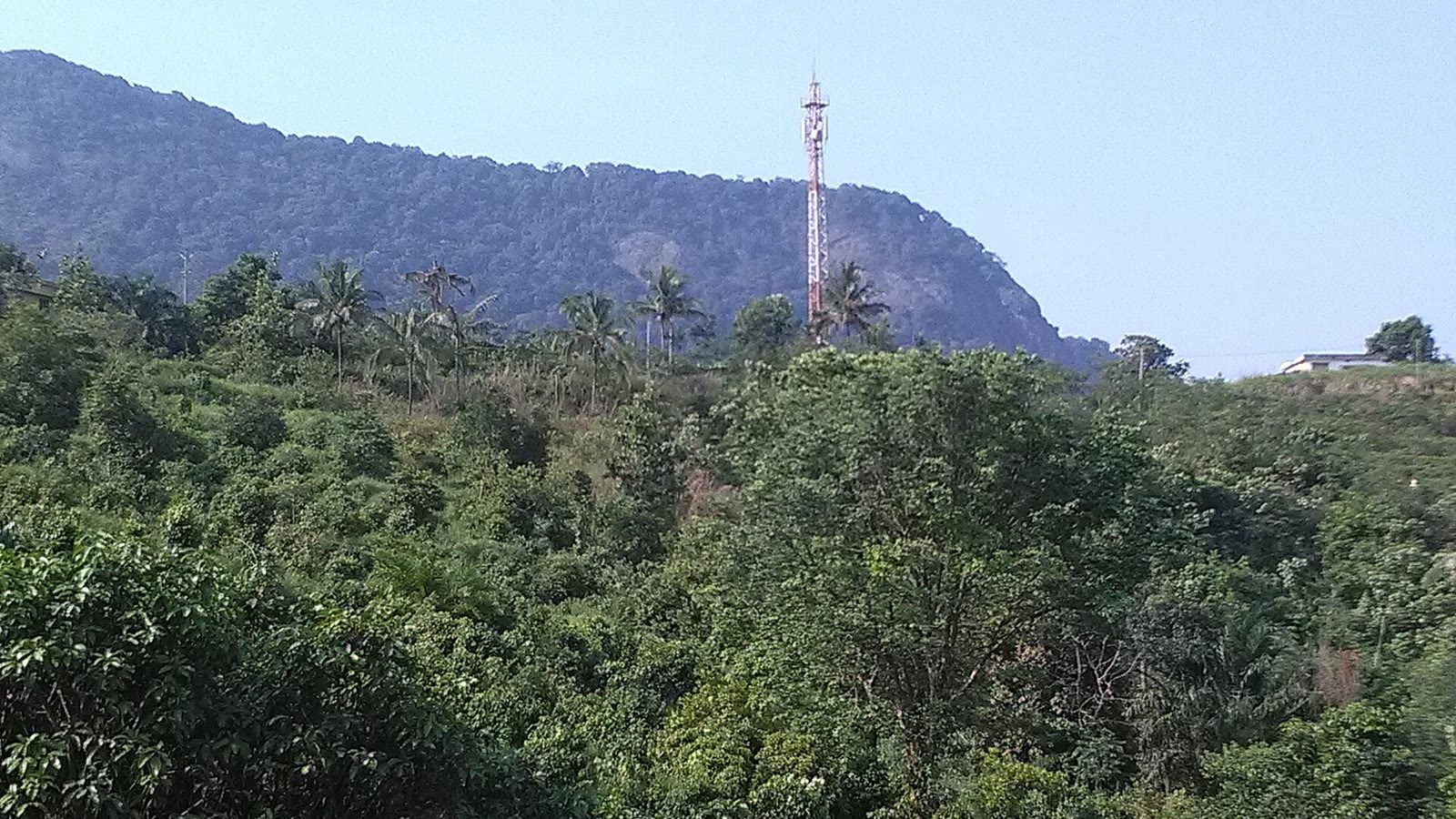
Representative image: a BSNL mobile tower on a wooded hillside at Elapeedika, Kerala. Photo: Goookul / CC BY-SA 3.0 via Wikimedia Commons
More Stories
 TechnologySamsung Gallery sync moves to Google storage: 15 GB free, a new ‘Free up space’ option and how to switch it on
 TechnologyGemini task automation reaches India: Google’s assistant can book cabs and order food on Pixel 10, Pixel 11 and Galaxy S26 phones
 TechnologyInstagram Teen Accounts: Meta takes age-estimation checks worldwide, moving suspected teens into restricted settings even with an adult birthday
 TechnologyTRAI port charges: ₹5.6 lakh a year cap on 1 Gbps links between telecom networks from 1 January 2027, first revision since 2012
 TechnologyCERT-In names ‘CRAFTY FALCON’ behind attacks on NBFC and fintech payment systems, timed for holidays and weekends
 TechnologyAndroid security update: CERT-In rates flaws in Android 14 to 17 critical; how to check your phone’s patch level