
Original bilingual journalism · English & తెలుగు
Substandard drugs: Centre proposes immediate suspension of manufacturing licences when a medicine fails critical quality tests
Draft changes to the Drugs Rules, 1945, would let regulators suspend a licence on a Government Analyst's NSQ report without a show-cause notice, and restore it only after corrective action is verified. Objections are open for 30 days.

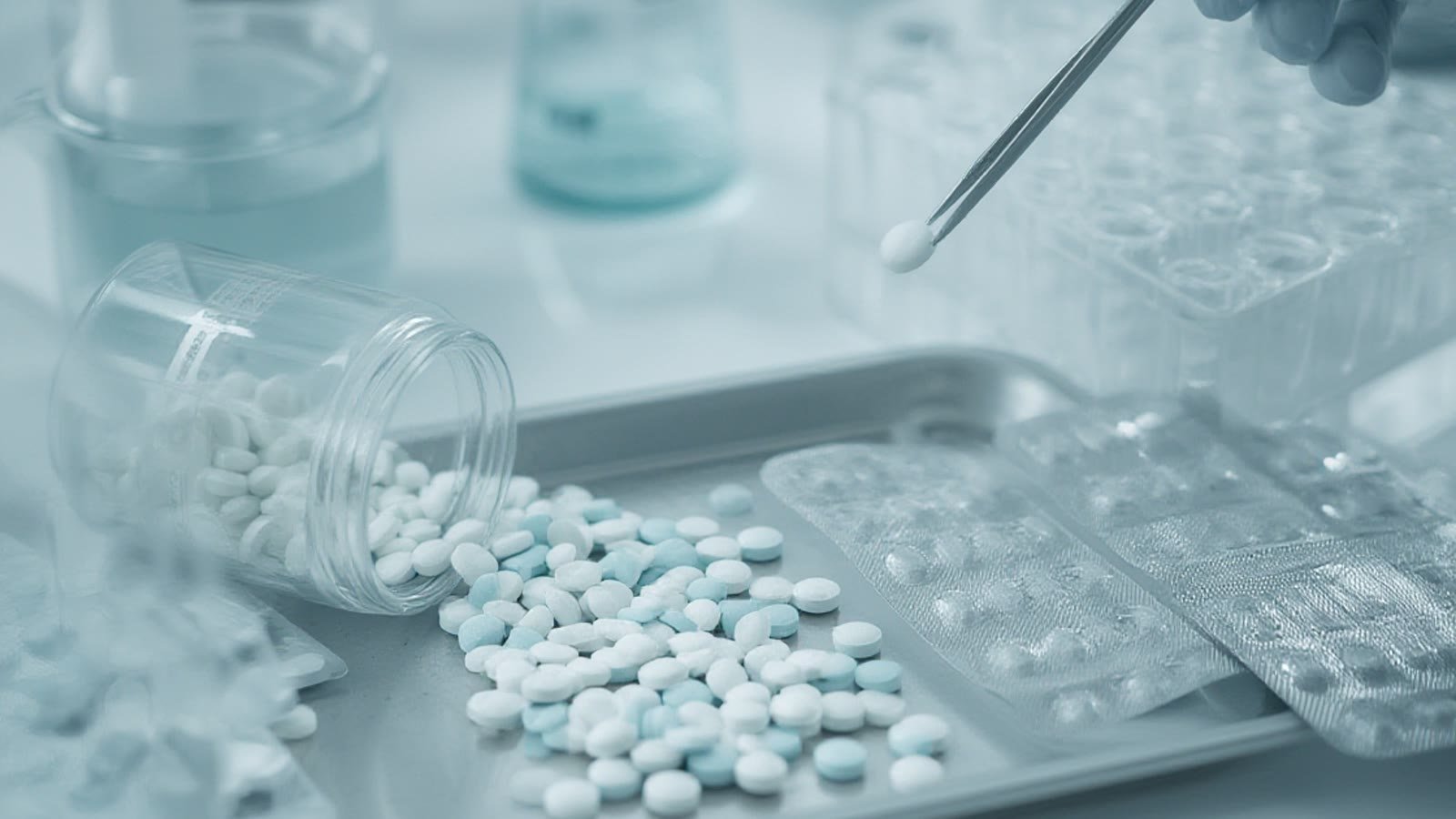
A company whose medicine fails a critical quality test could have its manufacturing licence suspended at once, without the show-cause notice the present rules require first, under draft rules from the Union Health and Family Welfare Ministry to act faster against substandard drugs. The Ministry released the proposed changes to the Drugs Rules, 1945, on Wednesday, 4 November, and has given the public 30 days to send objections and suggestions.
The new power would kick in when a Government Analyst’s report marks a drug Not of Standard Quality (NSQ) because it failed a critical test such as assay, which checks the quantity of active ingredient, or dissolution, sterility, impurities or related substances. Once that report arrives, either the State Licensing Authority concerned or the Central Licensing Approving Authority could suspend the licence straight away.
Closing the gap before a recall
Under the existing procedure, a suspension or cancellation can follow only after a show-cause notice and the other prescribed steps. The Ministry said that process leaves a window between the NSQ finding and any regulatory action, in which the medicine can stay in circulation and a recall becomes harder to carry out.
A suspended licence would not come back on its own. The manufacturer would first have to complete a root cause analysis of the failure and put in place corrective and preventive action (CAPA) that the licensing authority accepts. The suspension would be revoked only after the authority has verified those measures.
Test reports to go straight to the DCGI
The draft also amends Form 13, the Government Analyst’s test report. Copies would be sent to the manufacturer, the firm that markets the medicine, the licensing authority of the State or Union Territory where the factory is located, and the Drugs Controller General of India. The changes come out of the Drugs Consultative Committee’s 65th meeting on 20 December 2024 and the Drugs Technical Advisory Board’s 92nd meeting on 24 April 2025, which recommended them.
It is the second draft on drug manufacturing from the Ministry in a little over a week. On 28 October it notified changes to bring microbial monitoring in the Grade A clean areas of sterile drug plants in line with guidelines of the World Health Organization. Responses to the licence-suspension draft can be addressed to the Health Ministry’s Under Secretary (Drugs) or emailed to drugsdiv-mohfw@gov.in.
Representative image. Telugu Scope illustration.
More Stories
 InternationalCOP31: India yet to back Türkiye’s ’35 by 2035′ electrification goal, says targets must respect national circumstances
 NationalIndian Navy frees hijacked fishing vessel Azini off Somalia; all 20 crew safe after 48-hour operation
 NationalModi sets a new clean-power goal: another 500 GW of non-fossil capacity in the next 10 to 11 years
 NationalCentre sets up a National Social Security Board for gig and platform workers, with the Labour Minister in the chair
 NationalFive shot dead at a Guwahati hotel: owner and her son among the victims as leaseholder is arrested within the hour
 NationalTheni jailbreak: 17 remand prisoners fake a seizure, beat up warders and escape; four caught, 13 still out