
Original bilingual journalism · English & తెలుగు
Fresh nominations in four towns only, and municipal polling moves to 1 November
The SEC gave a 48-hour window after the Supreme Court sent the question back to it. The YSRCP had asked for 19 places and got four.

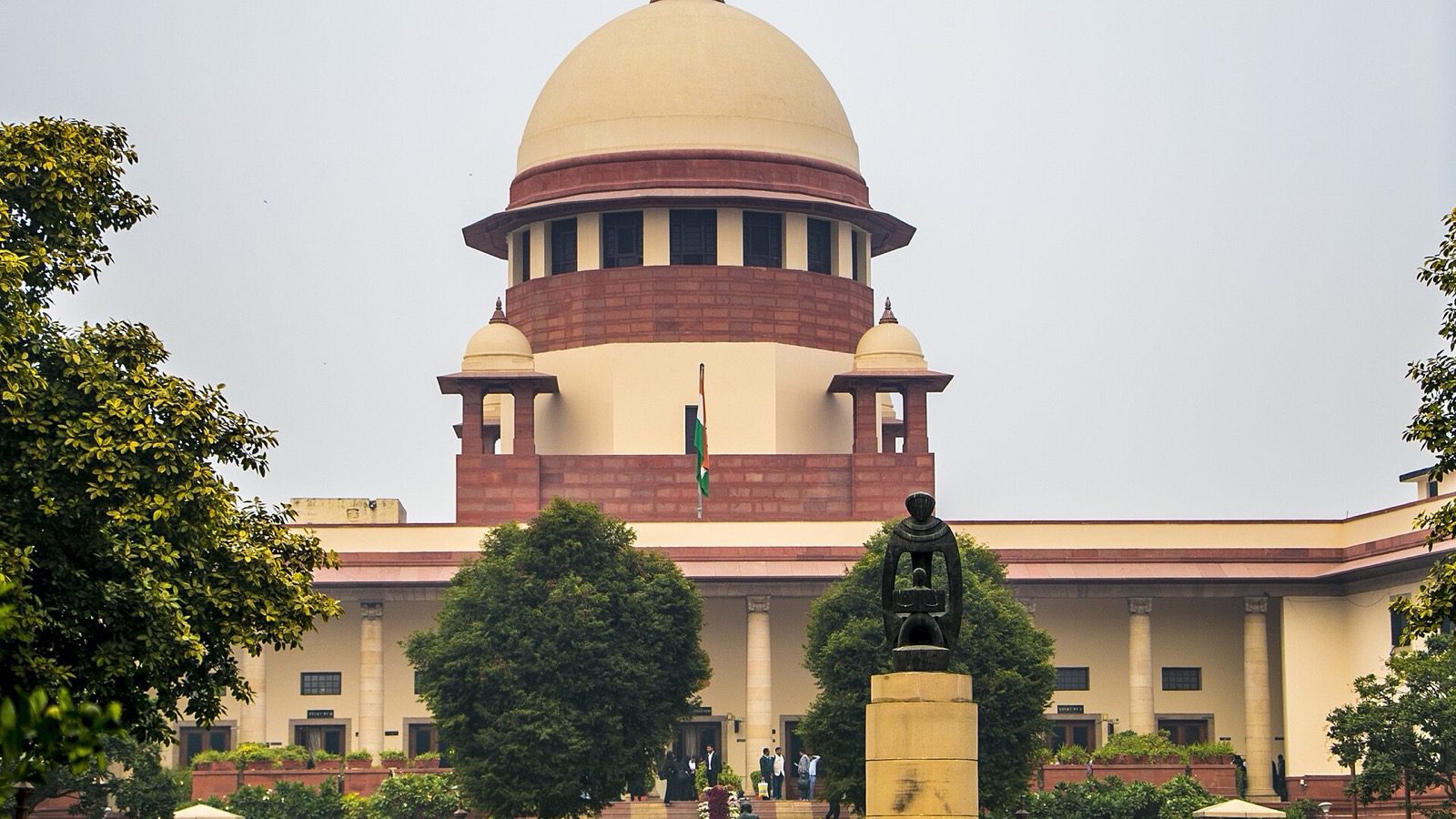
The YSRCP’s fight to extend the nomination deadline for the urban local body elections went all the way to the Supreme Court and ended with relief in four towns. The State Election Commission reopened nominations in the Kadapa and Tirupati municipal corporations and the Rajampet and Mydukuru municipalities on 23 and 24 October, between 11 am and 3 pm. With that change, polling in the 100 urban local bodies moves from 28 October to 1 November. Any repoll is on 2 November and counting on 3 November.
The road here began in the High Court, where the YSRCP argued that attacks and intimidation had kept its candidates from filing. On 18 October the High Court refused to extend the deadline. The party filed a special leave petition in the Supreme Court, where its counsel said two-thirds of its candidates had been prevented from filing. On 21 October a bench of Justices Joymalya Bagchi and V. Mohana declined to decide the question itself. It told the Commission to rule on the extension and to hold back the final list of candidates until it had.
The Commission produced its own figures: 25,809 nominations filed by 18 October, of which 5,880 were YSRCP nominations for wards in municipalities and nagar panchayats. It granted the extension only in four bodies, in the Punganur, Rayachoti, Kadapa and Tirupati areas from which complaints had come.
Four, or nineteen?
The YSRCP had complained of irregularities and violence in 19 municipalities and nagar panchayats. It got four, and says that is not enough. The Commission has given no public explanation of why the other 15 complaints did not qualify.
Our view: the Supreme Court handed the decision to the Commission, which puts the Commission’s independence under everyone’s eye. If four extensions were right, it should not be hard to say why the other 15 complaints were rejected. That explanation would build trust. Without it, the dispute will outlive the 1 November result whichever way it goes.
Photo: Subhashish Panigrahi / CC BY-SA 4.0, Wikimedia Commons
More Stories
 Andhra PradeshBefore a single vote is cast, Andhra’s local elections are being fought at the nomination counter
 Andhra PradeshNaidu and YSRCP trade charges of violence and obstructed nominations in Andhra Pradesh’s local body polls
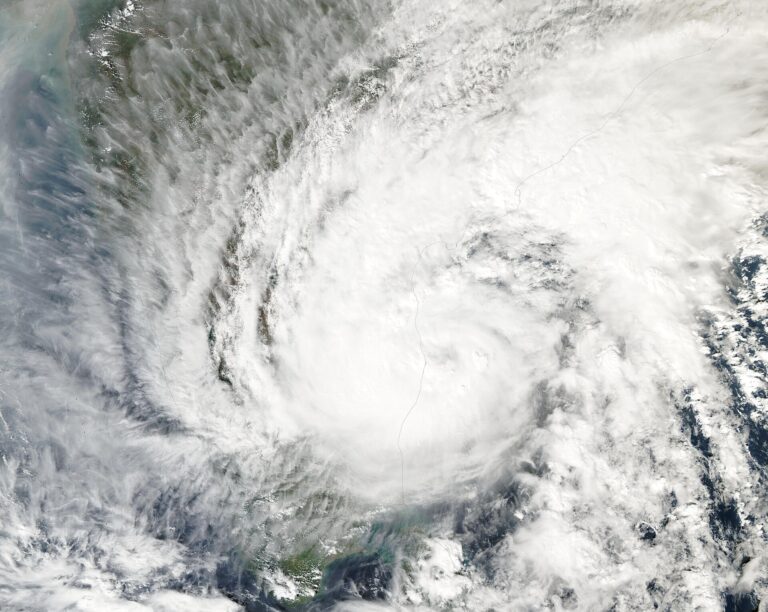 Andhra PradeshBay of Bengal low expected to become a cyclone on 26 October; coastal Andhra braces for heavy rain on 27 and 28 October
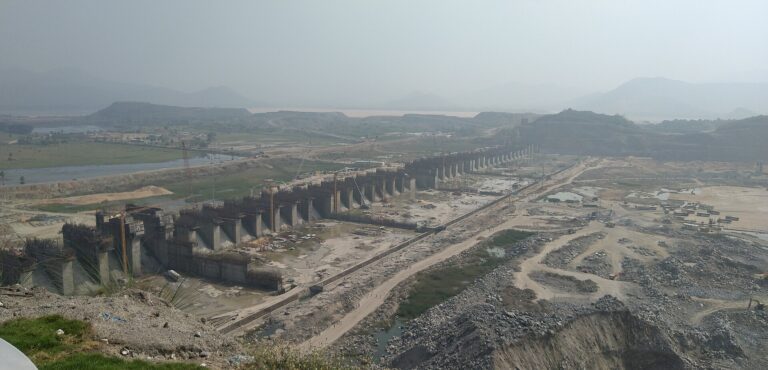 Andhra PradeshNaidu sets December 2028 for 36 irrigation projects and orders Chintalapudi works to restart in November
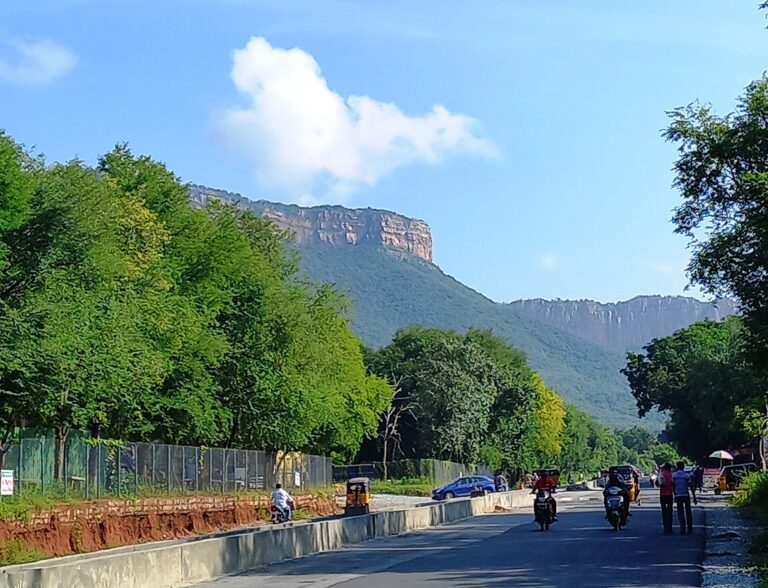 Andhra PradeshTirumala’s five reservoirs gain a net 40.08 lakh gallons in TTD’s 23 October reading
 Andhra PradeshAndhra’s local polls turn violent at the nomination desk: what the record says, then and now