
Original bilingual journalism · English & తెలుగు
Before a single vote is cast, Andhra’s local elections are being fought at the nomination counter
Torn papers, rival complaints and no verdict from any authority.


In a democracy, the first test of an election is whether every candidate can get a piece of paper across a desk. In Andhra Pradesh in October, that test has become a contest of its own.
The YSRCP says TDP supporters tore up its candidates’ nominations, pointing to a video from Penukonda and an incident at a centre in Giddaluru. Jagan Mohan Reddy has taken the complaint to State Election Commissioner Anil Chandra Punetha. The TDP rejects it, and on 23 October its leaders produced a list of eight incidents of their own, accusing YSRCP cadres of attacking police, burning vehicles and disrupting centres. The party also points to Election Commission figures showing 1,092 YSRCP nominations for ZPTC seats against its own 1,055.
What is missing is a verdict. No police report, court order or Election Commission finding has been published on either side’s claims, so each remains an allegation. Voters are left with two confident accounts and no way to test either.
Why this fight?
Our view: that, more than any single incident, is the story. Whoever is in opposition says the counter was captured, and whoever governs calls the complaint theatre. It plays out because a mandal or district council seat controls grants, works and local patronage, and a candidate who never meets a rival has already won.
The money rules
India’s rules do little to lower the stakes. Candidates face a spending cap, but the Association for Democratic Reforms keeps finding declared spending far below it, and analysts link the gap to unaccounted money. Parties face no cap at all. In February 2024 the Supreme Court struck down electoral bonds, ruling that anonymous funding violates the voter’s right to information. That closed a secret channel, not the spending race.
What others do
Other democracies do not claim to be saints, but they publish what their rules produce. Britain limits what a party can spend in each constituency it contests and restricts who may donate. Norway requires parties to disclose accounts and donors on a public website. A voter there can check. A voter here can only believe.
What should change
Three things: a cap on party spending, donor names published within days, and video of every nomination filed, so a torn paper becomes evidence instead of an argument.
Polling is on 3 November. Candidates can withdraw until 3 pm on 27 October, when the final list is due.
—
Illustration: Telugu Scope
More Stories
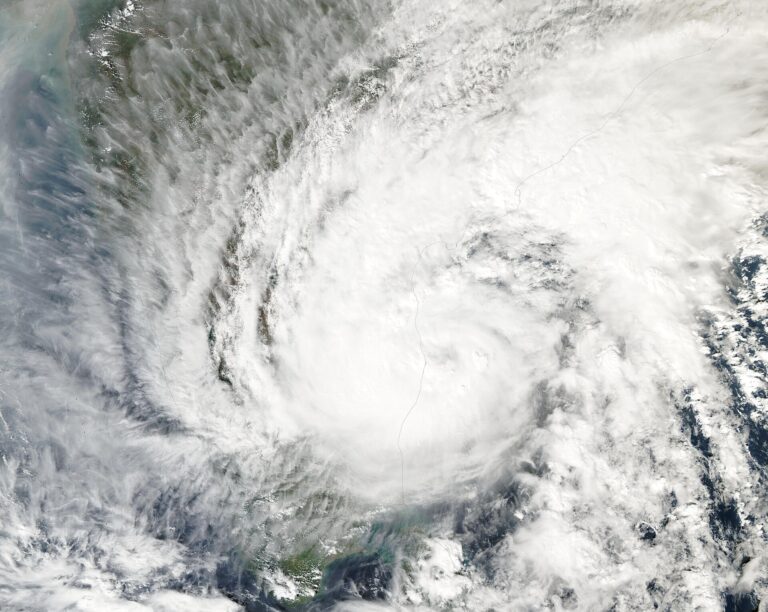 Andhra PradeshBay of Bengal low expected to become a cyclone on 26 October; coastal Andhra braces for heavy rain on 27 and 28 October
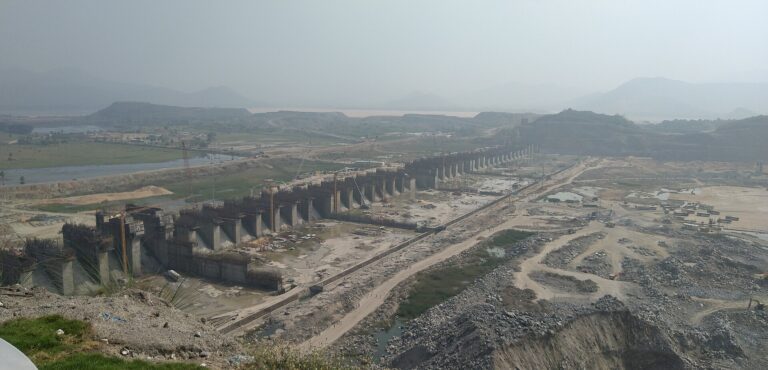 Andhra PradeshNaidu sets December 2028 for 36 irrigation projects and orders Chintalapudi works to restart in November
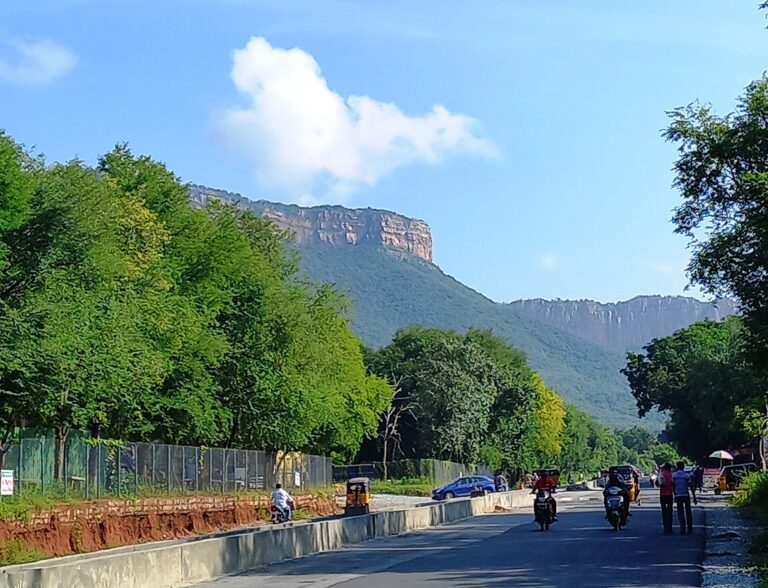 Andhra PradeshTirumala’s five reservoirs gain a net 40.08 lakh gallons in TTD’s 23 October reading
 Andhra PradeshAndhra’s local polls turn violent at the nomination desk: what the record says, then and now
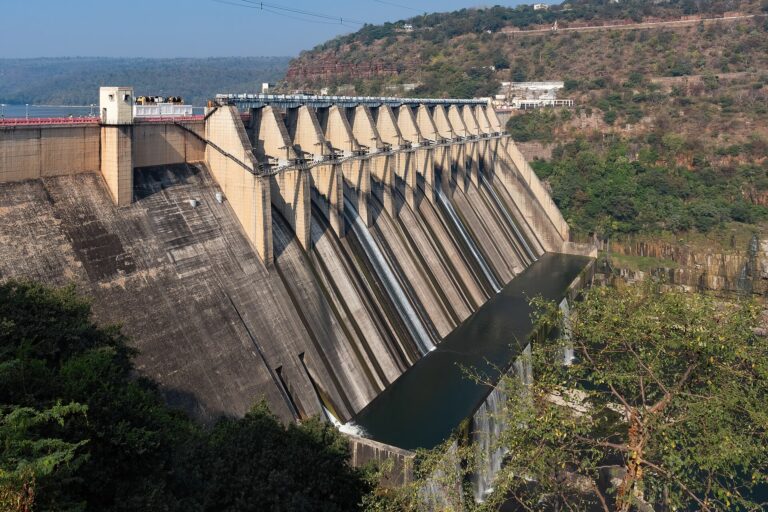 Andhra PradeshKrishna board’s full meeting on 26 October to take up water sharing and Srisailam drawals
 Andhra PradeshAt least four Bhavani devotees die after speeding vehicle hits them near Kathipudi