
Original bilingual journalism · English & తెలుగు
Delhi High Court refuses to quash Neha Bora’s peace-bond notice, but tells magistrate to give her all the material first
On 23 October the Delhi High Court dismissed the AISA president's petition against a Rs 10,000 peace-bond notice. Justice Subramonium Prasad said the process has adequate safeguards and ordered the magistrate to share every document with her.

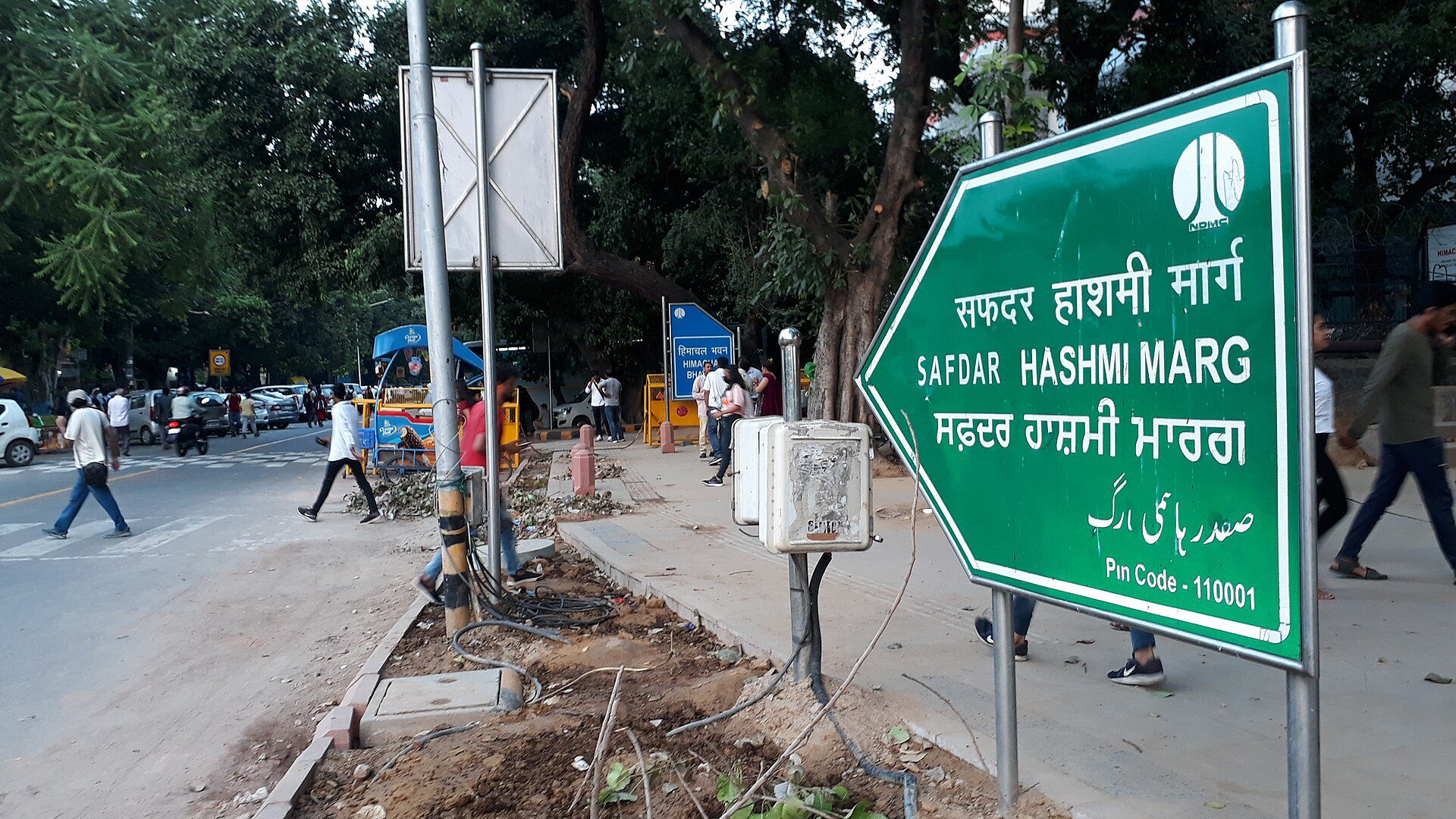
The Delhi High Court on 23 October refused to quash a magistrate’s notice asking Neha Bora, national president of the All India Students Association (AISA), to sign a Rs 10,000 personal bond with one surety and keep the peace while an inquiry runs. Justice Subramonium Prasad dismissed her petition, but told the Special Executive Magistrate to hand her every document the notice relies on before any order is passed in the inquiry.
What exactly did the court decide?
Justice Prasad said the statutory process carries “adequate safeguards”. Bora had asked for the notice and the proceedings to be quashed and for police to be barred from coercive action against her. Neither relief was granted. The judge also asked the magistrate to consider whether Section 135 of the Bharatiya Nagarik Suraksha Sanhita (BNSS) calls for the bond at the start, or only if an inquiry shows a danger after an actual incident.
How did she end up with a notice?
Bora had called a gathering at Mandi House at 5 pm on 16 October, to unfurl the national flag at Central Park in Connaught Place. It was one of a series of protests against the Chief Election Commissioner. She says she was detained at about 5.30 pm, taken to an undisclosed location and held overnight at R K Puram police station until 6 am on 17 October.
The Special Executive Magistrate issued the notice on 17 October, and she received it on 18 October. It is issued under Sections 126 and 130, read with Section 135(3), of the BNSS. It cites alleged sloganeering at Mandi House, repeated protests near Jantar Mantar despite prohibitory orders under Section 163 of the BNSS, and an allegation that she urged people to join the 16 October protest at Connaught Place.
What did each side tell the court?
Senior Advocate Gopal Sankaranarayanan, for Bora, said her call was peaceful and she never asked anyone to turn violent. Seeking a change of government, he said, is not wrong in a democracy. He called the notice mechanical: it shows no material that a breach of the peace was likely, which Section 126 requires, and a preliminary inquiry should come before she is asked even for an interim bond.
Additional Solicitor General Chetan Sharma, for the respondents, said Section 126 leaves the authority a wide area of subjective satisfaction, which need not rest on proof but on the information received. He said Section 163 orders were in force around Mandi House.
The Bench’s written order, with its full reasoning, was still awaited on 23 October.
Photo: Pinakpani / CC BY-SA 4.0, Wikimedia Commons
More Stories
 NationalEurope’s summer heat killed more than 50,000 city residents, a new study finds
 NationalIndians caught up in two Gulf-region incidents: 14 on a yacht off Yemen, 21 on a tanker near Hormuz
 NationalDelhi’s air turns ‘poor’ for the first time this season; GRAP Stage I comes into force across NCR
 NationalModi at world summit: Global South needs a bigger say, and the Congress is in his line of fire
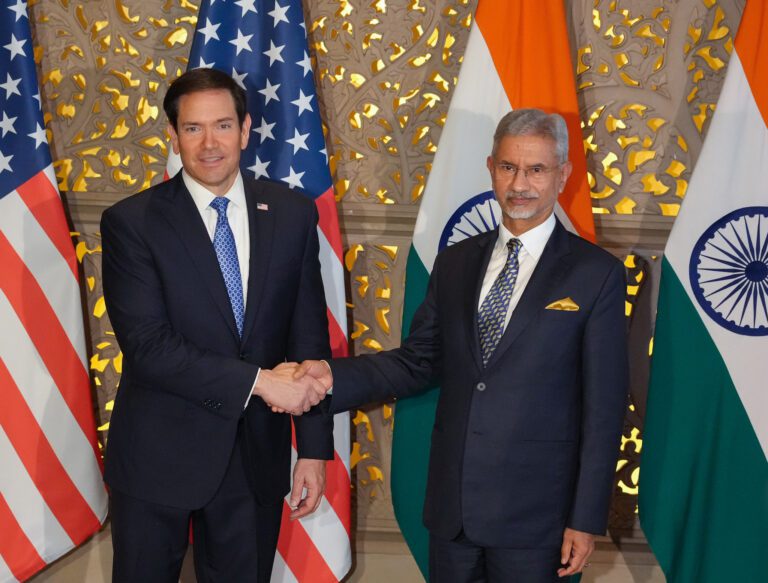 NationalRubio and Jaishankar take up energy, defence and trade in Mumbai talks
 NationalRajnath Singh flies to Dushanbe to lead India at SCO heads of government meeting