
Original bilingual journalism · English & తెలుగు
Instacart to pay $5 million to settle US claims its green-card hiring favoured visa holders
The US Justice Department and the EEOC said on 20 October that Instacart will pay $5 million to settle allegations that its green-card recruitment favoured workers on temporary visas. It is the latest in a run of such cases that matter to Indian H-1B workers waiting for green cards.

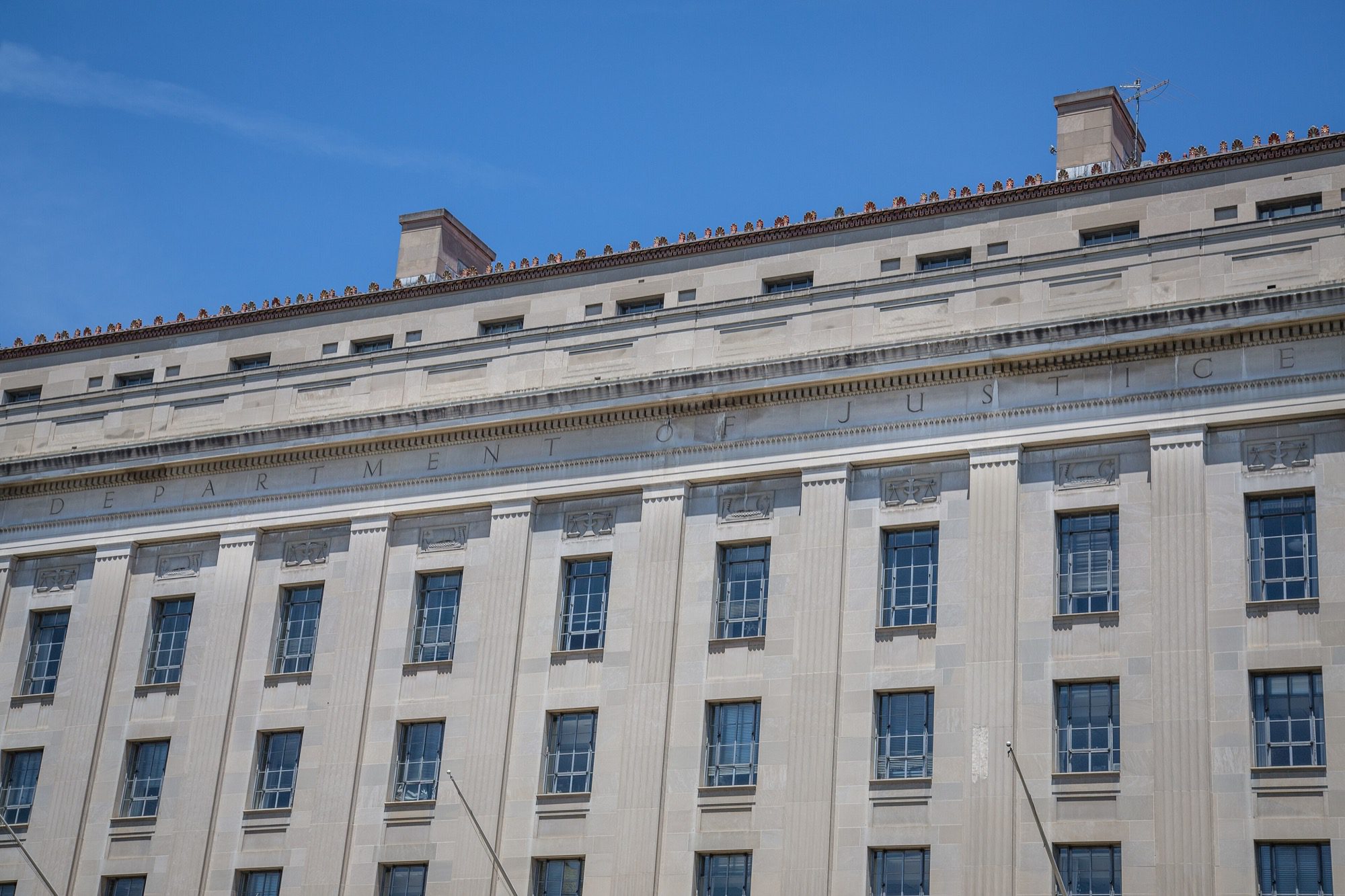
Instacart, the US grocery delivery company, has agreed to pay $5 million to settle allegations that it tilted the recruitment it ran for green-card sponsorship in favour of workers on temporary visas. The US Department of Justice’s Civil Rights Division and the Equal Employment Opportunity Commission (EEOC) announced the joint settlement with Maplebear Inc., which operates Instacart, on 20 October.
The case turns on PERM, the Labor Department’s permanent labour certification process. Before an employer can sponsor a foreign employee for a green card in most job-based categories, it must advertise the position and show that no qualified US worker is available to fill it.
What the agencies alleged
According to the two agencies, Instacart’s PERM hiring between December 2023 and February 2026 preferred workers holding temporary employment visas. The company normally takes job applications online, but for positions advertised as part of the PERM process it required applications to be sent by post. As a result, the agencies said, many US applicants were not considered in time.
The Justice Department pursued the case as discrimination based on citizenship status, which the Immigration and Nationality Act forbids; the EEOC handled it as national-origin discrimination under Title VII of the Civil Rights Act.
What Instacart must do
Of the $5 million, up to $4 million goes into a fund for applicants who were affected or discouraged from applying, and $1 million is a civil penalty paid to the US government. Instacart must also post PERM openings on its public careers website, accept electronic applications for them, train its staff, revise its policies and accept monitoring and reporting for three years.
“We will not stop fighting for U.S. workers until there is a fair playing field,” Assistant Attorney General Harmeet K. Dhillon said. EEOC Chair Andrea Lucas said that such discrimination against Americans “has no place in our economy.”
Instacart has said its hiring practices complied with the law, that it gives priority to hiring American workers, and that it agreed to the settlement to resolve the matter.
Part of a wider crackdown
The Justice Department said this was the fifteenth settlement under its Protecting U.S. Workers Initiative since the programme was relaunched in 2025. On 13 October it finalised another PERM case, against data company Cloudera, which had been accused of giving US applicants an email address for PERM jobs that did not work. Cloudera agreed to a $600,000 civil penalty, a back-pay fund of up to $1.4 million and a two-year bar on PERM filings, counted from its last PERM withdrawal. Separately, on 8 October the Labor Department suspended eight employers, several of them Indian IT companies, from the PERM programme.
The run of cases matters to Telugu families in the US. Workers born in India accounted for 72 per cent of approved H-1B petitions in fiscal year 2023, according to the Congressional Research Service, citing government data. For those seeking a green card through an employer in the EB-2 and EB-3 categories, PERM certification is normally the first step.
What it means for visa holders
The settlement deals with how the employer recruited, and the announcement does not say what happens to green-card applications Instacart has already filed for its visa-holding staff. Workers with PERM cases pending at any company can ask their employer’s immigration lawyers how the recruitment for their position was carried out.
The US Department of Justice headquarters in Washington, DC, June 2014. File photo. Photo: Tony Webster / CC BY 2.0 via Wikimedia Commons
More Stories
 NRIIndian resident among two dead after attack on Saudi Arabia’s Dammam airport; embassy in touch with families
 NRIItaly toughens protest and juvenile-crime laws after Milan riots; Indian embassy urges caution
 NRIFrom Dubai to Vienna, Telugu families abroad keep Bathukamma and Dasara alive
 NRIVance admits ‘indentured servants’ jibe was poorly put, but green-card freeze on eight tech firms stays
 NRITeen charged over alleged plot to attack Indians at Aurora’s Balaji temple
 NationalEurope’s summer heat killed more than 50,000 city residents, a new study finds