Original bilingual journalism · English & తెలుగు

RBI T-bill auction on 18 November: what Rs 1 lakh earned at the last sale and how to bid
The RBI sells Rs 23,000 crore of Treasury bills on Wednesday, 18 November. Individuals can bid from Rs 10,000 through Retail Direct, and average yields at the last sale ran from 5.86% to 6.62%.

Individuals with a savings account and a PAN can lend to the Union government for as little as three months at the Reserve Bank of India’s next T-bill auction, on Wednesday, 18 November. The RBI will sell Rs 23,000 crore of Treasury bills: Rs 8,000 crore each of 91-day and 182-day bills and Rs 7,000 crore of 364-day bills. The bills are settled on Thursday, 19 November.
A Treasury bill pays no interest: it is sold below face value and repaid in full at maturity, and the gap is the return. At the 11 November auction, the 91-day bill’s weighted average price came to Rs 98.5602 per Rs 100. At that price, a Rs 1 lakh bill cost about Rs 98,560 and is repaid in full after 91 days, a gain of about Rs 1,440. The 364-day bill averaged Rs 93.8091, so a Rs 1 lakh bill cost about Rs 93,809, a gain near Rs 6,191 over the year. The price at the 18 November sale will be set by that day’s bidding.
How it compares with a bank deposit
The 11 November sale produced weighted average yields of 5.86% on the 91-day bill, 6.51% on the 182-day bill and 6.62% on the 364-day bill. State Bank of India’s card rates for the general public, in force since 15 December 2025 and still listed on its website on 15 November, are 4.90% for deposits of 46 to 179 days, 5.65% for 180 to 210 days and 5.90% for 211 days to under a year.
How to bid
Individuals bid non-competitively on the RBI Retail Direct portal, rbiretaildirect.org.in. They do not name a price; the RBI allots their bills at the weighted average set by the competitive bidders. A bid starts at Rs 10,000 of face value and rises in steps of Rs 10,000 up to Rs 2 crore. Each investor may place one bid in each auction.
A Retail Direct Gilt account needs a rupee savings account in India, a PAN, a valid KYC document, an email address and a registered mobile number. There is no fee to open or keep the account or to place a bid.
Retail allotment is capped at 5% of each notified amount, or Rs 400 crore apiece in the 91-day and 182-day bills and Rs 350 crore in the 364-day bill. The RBI’s notice fixes 10.30 am to 11 am on 18 November for non-competitive bids on its E-Kuber system, and results are due the same day. On Retail Direct, a bid has to be funded through UPI or net banking before the portal’s bidding window closes, at an indicative price plus a markup that is refunded after allotment.
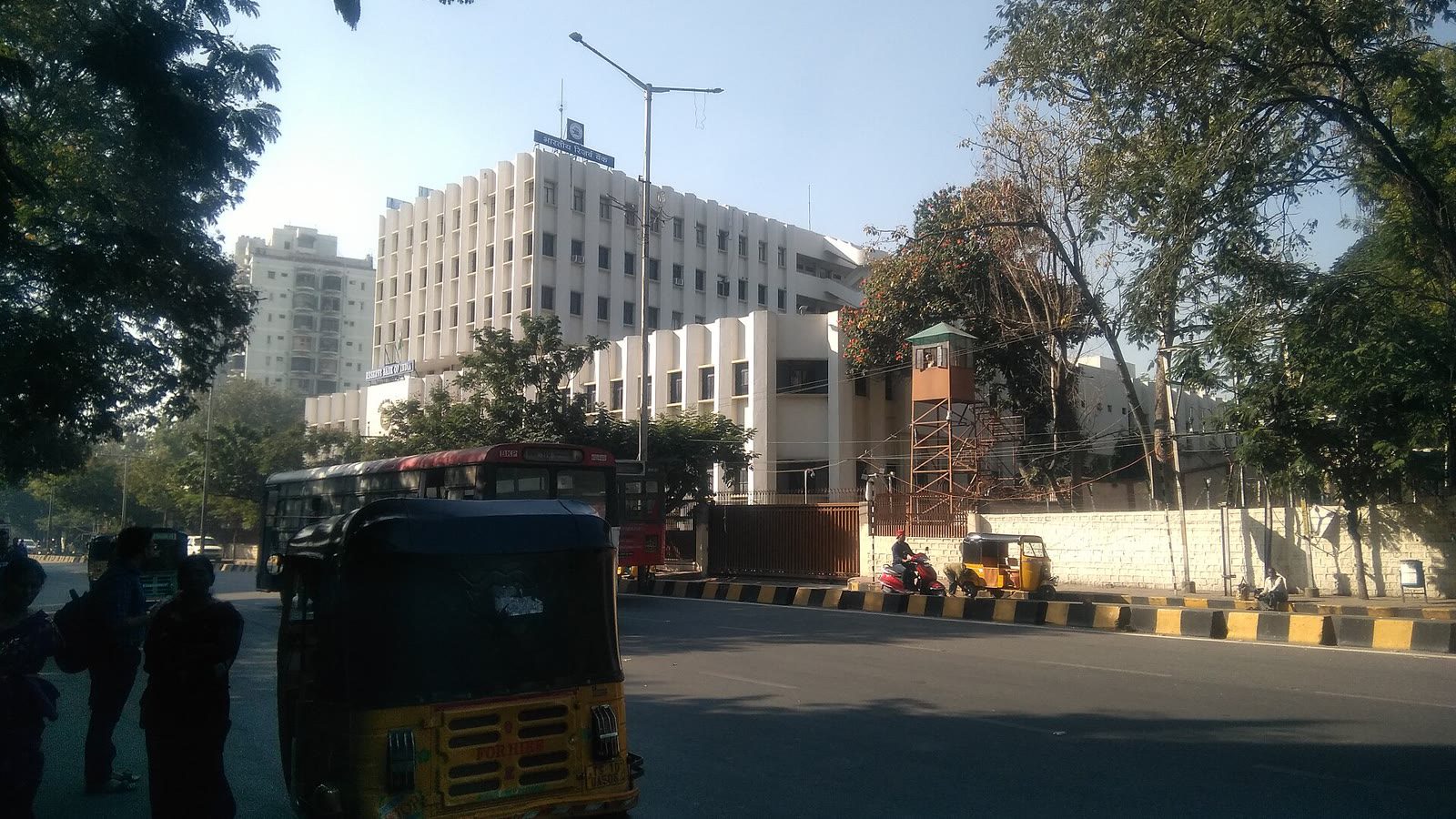
File photo. The Reserve Bank of India's regional office in Hyderabad. Photo: Adbh266 / CC BY-SA 3.0 via Wikimedia Commons
More Stories
 Andhra PradeshSecond Kia plant in Andhra Pradesh to start production in early 2030
 Andhra PradeshAP and Telangana to borrow Rs 1,000 crore each at RBI bond auction on 17 November
 BusinessIndia’s merchandise exports jump 45% to $49.47 billion in October
 BusinessIndia’s forex reserves rise $2.49 billion to $719.55 billion as gold value climbs
 BusinessGold rate falls Rs 5,643 in a week to Rs 1,35,809 per 10 g; Nifty ends 155 points lower
 BusinessSovereign Gold Bond matures at Rs 14,024 a gram, 4.4 times its 2018 issue price