Original bilingual journalism · English & తెలుగు

Modi at FICCI centenary: make ‘India First’ the basis of 20-year investment decisions
At the centenary convention of FICCI in New Delhi, Prime Minister Narendra Modi asked industry to base every long-term investment decision for the next 20 years on 'India First' and to close import gaps in drug ingredients, steel and aluminium.

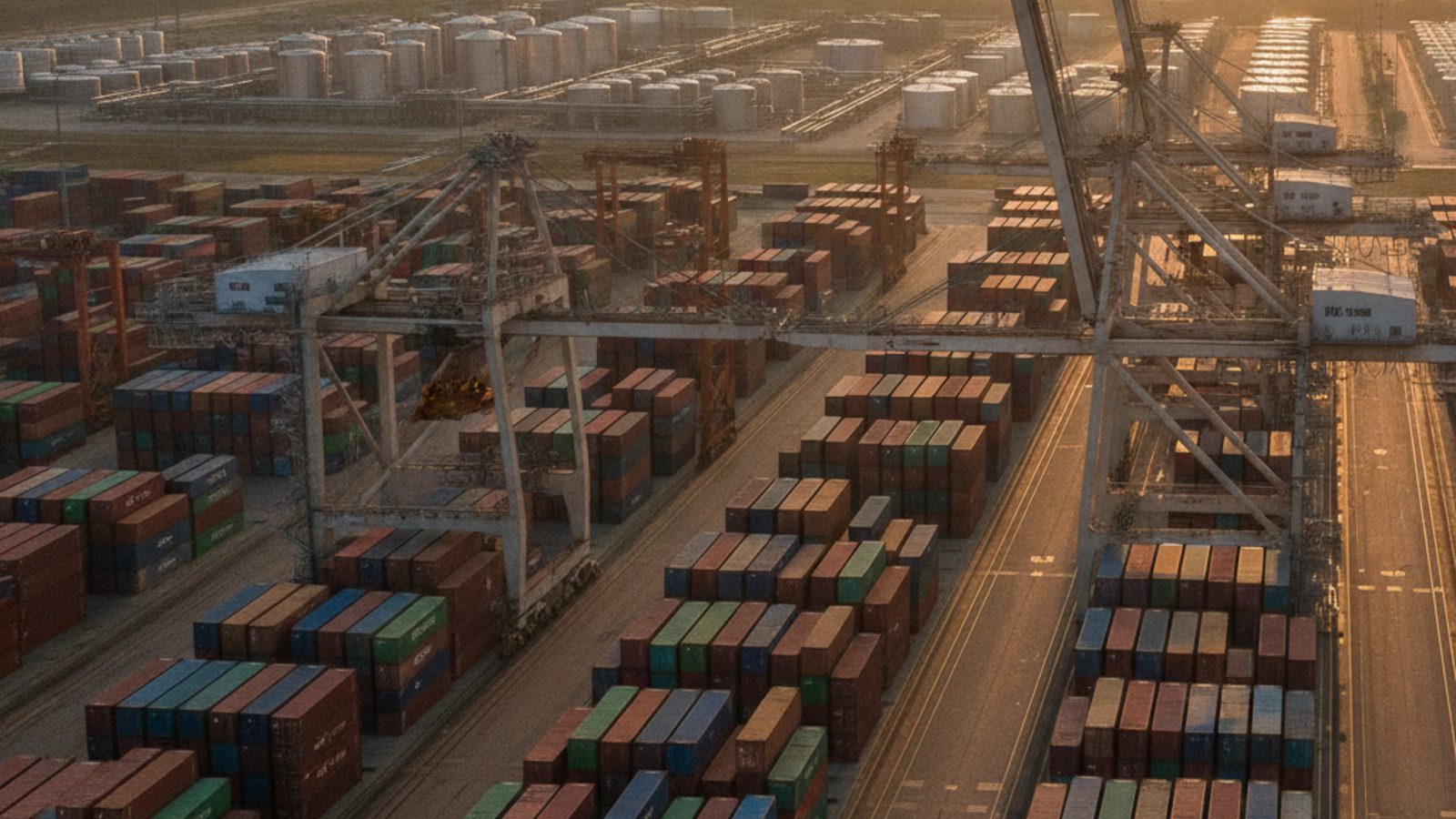
Prime Minister Narendra Modi on Thursday, 19 November, inaugurated the annual general meeting and annual convention of the Federation of Indian Chambers of Commerce and Industry (FICCI) at Bharat Mandapam in New Delhi, as the body completes 100 years. Addressing the centenary event, he asked industry to look beyond its first century and plan for the next 20 years.
“Base every long-term investment decision of the next 20 years on ‘India First’,” Modi said, adding that this would make the country self-reliant and open new opportunities for business growth.
Growth and poverty claims
Modi said India’s growth is the fastest among major economies and the pace at which people are leaving poverty is unprecedented. Citing the World Bank’s latest report, he said 50 crore Indians have come out of poverty in the past 12 to 13 years. He pointed to forecasts of about 7 per cent growth by major global institutions and to record monthly merchandise exports of about 50 billion dollars in October, and said Moody’s, S&P Global, Fitch, the World Bank and the Asian Development Bank are raising their estimates for India.
Where he wants industry to invest
Modi said India is known as the ‘pharmacy of the world’ and is strong in finished medicines, yet it imports active pharmaceutical ingredients, bulk drugs and intermediates worth billions of dollars. He asked pharma firms to identify what can be made at home and invest in new technology and large plants.
He noted that India exports iron ore worth thousands of crores and has large bauxite reserves, yet imports refined steel and special aluminium alloys, and asked industry to build manufacturing capability at every stage of the mineral value chain. India’s share of global agricultural exports is only 2 to 2.5 per cent, he said, while the share of processed foods in agri and food exports has risen from 13 per cent to over 20 per cent in 12 years. He also pointed to low shares in global hand-tool and power-tool exports and in machinery for the Global South, and asked large companies to help small enterprises raise manufacturing quality.
Tax and trade
Modi said the base corporate tax rate was 30 per cent in 2014 and is now 22 per cent, income up to Rs 12 lakh has been made tax-free, return and refund processes have been simplified and GST rates on many items have been cut. He urged industry to use India’s recent trade agreements and the pace of what he called the ‘Reform Express’, and said the government’s doors are always open for suggestions.
“Our domestic market should not become our comfort zone; it should give us the confidence to compete in global markets,” he said, asking firms to invest in understanding customers in different regions of the world.
Telugu Scope illustration.
More Stories
 BusinessEPFO trustees approve systematic withdrawals for retirees and cut minimum PF balance rule to 10 per cent
 BusinessSGB 2020-21 Series II: RBI sets premature redemption price at Rs 13,345 a unit for 19 November
 BusinessExport Promotion Mission widens airfare aid to exporters with up to Rs 50 crore turnover
 BusinessSEBI cuts agri commodity derivatives margin floors by 2 percentage points from 1 December
 BusinessGoyal in Rome for India-Italy trade talks as exports to Italy jump 29.9%
 BusinessIndia’s electronics exports jump 44% to $31.97 billion in April-September