
Original bilingual journalism · English & తెలుగు
Sensex drops 876 points as private banks and IT stocks drag; Nifty ends below 22,900
Axis Bank led the losers on 19 October while public sector lenders bucked the trend. Markets are shut on 20 October for Dussehra.

Indian shares closed sharply lower on Monday, 19 October, as selling in private banks and information technology companies pulled the benchmarks down by more than 1%.
The 30-share BSE Sensex ended 876.37 points, or 1.17%, lower at 73,852.90. The broader NSE Nifty shed 257.20 points, or 1.11%, to finish at 22,888.95, slipping under the 22,900 mark.
Banks split, IT weak
Axis Bank was the heaviest loser among the large stocks, falling more than 4%. Infosys and UltraTech Cement were also among the notable decliners. On the other side, State Bank of India and Adani Ports closed in the green.
The private bank index was the weakest sector of the day, while public sector lenders moved the other way: the Nifty PSU Bank index rose 2.41%, the only major sectoral index to end higher. Most other sectors finished in the red, with the Nifty IT index down 1.56% and FMCG down 1.40%.
Vikram Kasat, chief business officer for advisory and dealing at PL Capital, said that weakness in private banks, quarterly results that fell short of expectations and a cautious global mood had prompted investors to book profits. He said PSU banks had held up comparatively well, and that trading could stay volatile as investors track earnings, oil prices and the currency.
Oil, rupee and reserves
Crude remained a worry. Brent was trading at about $108.5 a barrel during the session, adding to concerns over imported inflation and higher costs for companies.
The rupee settled 3 paise weaker at 94.92 against the US dollar (provisional), under pressure from the slide in equities and firmer crude, after trading near 94.95 during the day. Rajeev Sharan, head of research at Brickwork Ratings, said the rupee had recovered from close to 97 earlier in the month, but warned that the support came partly from the Reserve Bank drawing down its reserves and that “the RBI cannot buy calm forever”.
Data released by the RBI on 16 October showed foreign exchange reserves fell by $8.58 billion to $726.03 billion in the week ended 9 October, after a drop of nearly $13 billion the week before. Reserves had peaked at $785.7 billion in early September.
Separately, former RBI governor D Subbarao has said that it would be a misreading to blame the rupee’s weakness only on the Iran conflict and high oil prices, arguing that the currency has faced persistent capital outflows for several years.
What next
The stock exchanges are closed on Tuesday, 20 October, for Dussehra, and regular trading resumes on Wednesday, 21 October. When it does, the focus is likely to stay on the ongoing quarterly results season, the direction of crude prices and the rupee.
Also read: Oil is not the whole story: Subbarao blames years of capital outflows for the weak rupee · Gold inches up to about Rs 1.48 lakh as festive season approaches · Zero duty on all Indian goods as New Zealand trade deal takes effect on Vijayadashami
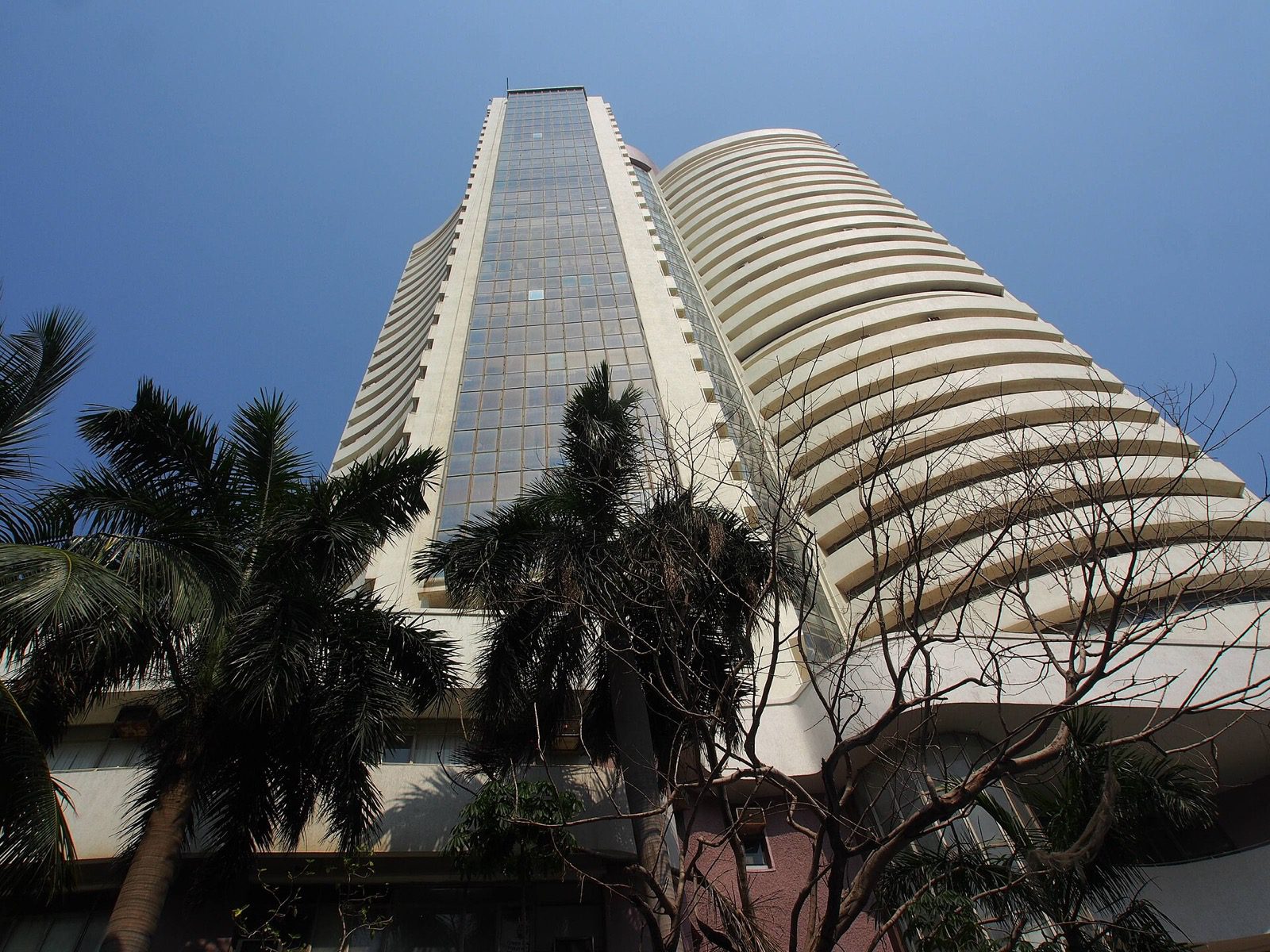
The Bombay Stock Exchange building (Phiroze Jeejeebhoy Towers) on Dalal Street, Mumbai. File photo. Photo: Pradeep717 / CC BY-SA 4.0 via Wikimedia Commons
More Stories
 BusinessRBI minutes: all six MPC members backed the rate hike, two opposed the tougher stance
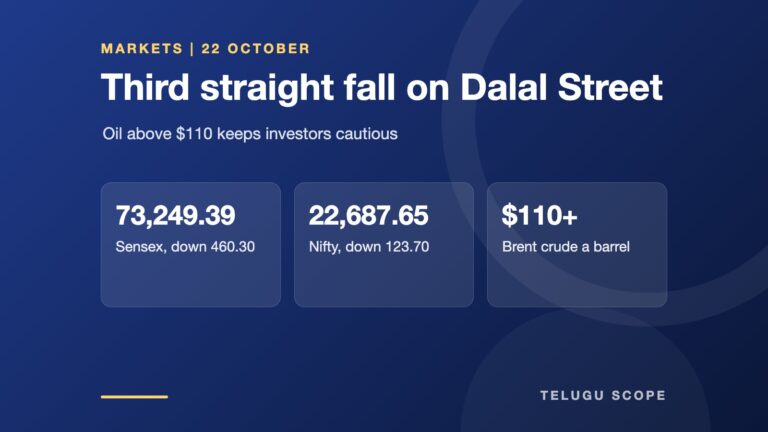 BusinessSensex sheds 460 points for a third straight loss as crude stays above $110
 BusinessJio Platforms IPO subscribed 5.6 times by end of day two, with bids worth Rs 1.23 lakh crore
 BusinessGold slips under the ₹1.45 lakh benchmark as $110 oil feeds rate worries
 BusinessJio Platforms IPO subscribed more than three times on day one as institutions bid over nine times their quota
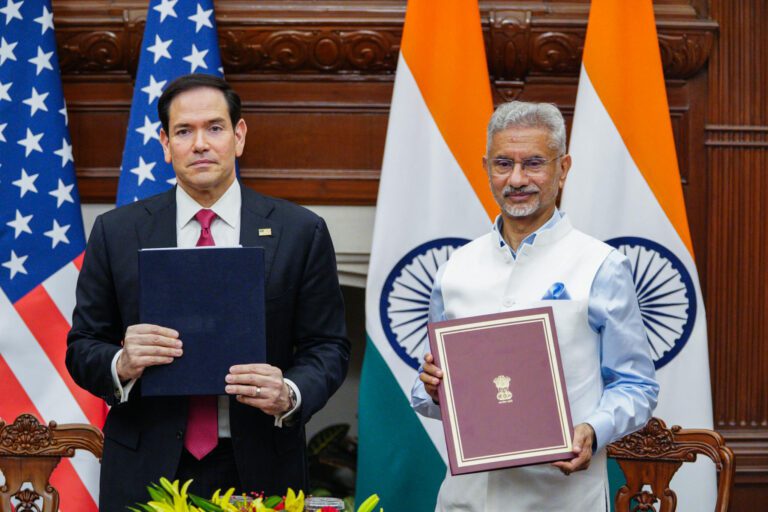 BusinessRubio says US is ‘very close’ to India trade deal as he meets Jaishankar in Mumbai